புனிதர்களை பெயர் வரிசையில் தேட

Translate

இன்றைய புனிதர்கள் பெயர்கள் நமது youtube சேனலில் ஒலிவடிவில்

இன்றைய புனிதர்கள் பெயர்கள் நமது youtube சேனலில் ஒலிவடிவில்
இன்றைய புனிதர்கள் பெயர்கள் ஒலிவடிவில் நமது youtube சேனலில்

23 மே 2022

இன்றைய புனிதர்கள் மே 24

 சாலையோர மாதா 

(Madonna Della Strada)

திருவிழா நாள்: மே 24

“மடோன்னா டெல்லா ஸ்ட்ரடா” (Madonna Della Strada), “ஸான்டா மரியா டெல்லா ஸ்ட்ரடா” (Santa Maria Della Strada), “பாதையோர அன்னை” (Our Lady of the Way) மற்றும் “சாலையோர மாதா” (Our Lady of the Road) என்ற பெயர்களிலெல்லாம்  அழைக்கப்படும் மரியன்னையின் ஒரு திருச்சொரூப படம் ரோம் நகரிலுள்ள “கேசு தேவாலயத்தில்” (Church of the Gesu in Rome) போற்றிப் பாதுகாக்கப்படுகின்றது. இத்தேவாலயம், இயேசு சபையினரின் “தாய் தேவாலயம்” (Mother Church of the Society of Jesus) என்று அறியப்படுகின்றது.

“சாலையோர மாதா” இயேசு சபையினரின் பாதுகாவலியாவார்.

மாதாவின் மீது இயேசு சபையினருக்கு என்றுமே ஒரு தனி பக்தி உண்டு. இவ்வாலயம் இயேசு சபையின் முதல் ஆலயம் ஆகும். இவ்வாலயத்தை மையமாக வைத்தே புனித இஞ்ஞாசியாரும், அவர் தம் தோழர்களும் தங்களது ஆன்மீக பணிகளில் ஈடுபட்டனர். இவ்வாலயத்தில் மன்றாடிவிட்டு சென்றபோது செய்த காரியங்கள் அனைத்துமே வெற்றி பெற்றது. இதனால் இந்த சிற்றாலயத்திற்கு இன்று வரை தனிச்சிறப்பு உள்ளது.

கி.பி. 1538ம் ஆண்டின் இறுதியில் புனித இனிகோ தம் தோழர்களுடன் இந்த ஆலயத்திற்கு அருகில் கிடைத்த ஓர் வீட்டில் தங்கிருந்து தங்களின் பணிகளில் ஈடுபட்டனர். இந்த ஆலயத்தில் அடிக்கடி திருப்பலி நிறைவேற்றுவது, மறையுரை ஆற்றுவது, ஒப்புரவு அருட்சாதனம் அளிப்பது, மறைக்கல்வி போதிப்பது என பல பணிகள் இவர்களின் முதன்மை பணிகளாக அமைந்தது. அவ்வாலயத்தின் பங்குத்தந்தையாக இருந்த பீட்டர் கொடாசியோவுக்கு (Peter Codasio) இயேசு சபையினர் ஆற்றிய பணிகள் மிகவும் பிடித்திருந்தது. அப்போது கி.பி. 1538ம் ஆண்டு டிசம்பர் மாதம் முதல், 1539 மே மாதம் வரை ரோமிலும், சுற்றுவட்டாரங்களிலும் கடுங்குளிரும், உணவுப் பற்றாக்குறையும் மக்களை வாட்டி வதைத்தது. புனிதர் இனிகோ தம் சகோதரர்களுடன் 3000 மக்களின் துயர் நீக்கி, உணவும், உடையும் கொடுத்து வந்தார். இத்தொண்டு பங்கு குரு பீட்டர் கொடாசியோவின் நெஞ்சை நெகிழ வைத்தது. அவர்களின் தொண்டால் பங்கு குரு பெரிதும் ஈர்க்கப்பட்டார். இதனால் அச்சபையில் சேரவிரும்பி, ஒருமாத தியானத்தில் ஈடுபட்டு, இறுதியில் கி.பி. 1539ம் ஆண்டு, இயேசு சபையில் சேர்ந்தார். இவர்தான் இயேசு சபையின் முதல் இத்தாலியர் ஆவார். அதன்பின் இவர் வழியாக சட்டரீதியாக சாலையோர மாதா ஆலயம் இயேசு சபைக்கு கிடைத்தது.

இந்த ஆலயம் மிகவும் சிறியதாகவும், குறுகலாகவும் இருந்ததால் பல மக்கள், பல ஆண்டுகளாக, ஆலயத்தின் வெளியே நின்றவாறே திருப்பலியில் பங்குக்கொண்டனர். இதனால் இயேசு சபையினர் அனைவரின் உழைப்பால் இவ்வாலயத்தின் முன்னால் திருப்பலிக்கென்று இடம் ஏற்பாடு செய்யப்பட்டது. பின்னர் இயேசு சபையினர், தங்குவதற்கும், பணிபுரிவதற்கும் வசதியாக தந்தை பீட்டர் தம் தந்தையின் சொத்துக்களை விற்றுப்பெரிய வீடு ஒன்றை அமைத்து கொடுத்தார். அச்சமயத்தில் இயேசு சபையில் இறந்தவர்கள் இவ்வாலயத்தில்தான் அடக்கம் செய்யப்பட்டார்கள். புனித பீட்டர், இவரின் தந்தை கொடாசியோ, புனித இனிகோ அனைவரும் இவ்வாலயத்தில் தான் அடக்கம் செய்யப்பட்டார்கள்.

இவர்களின் இறப்பிற்கு பின் கி.பி. 1565-ல் பிரான்சிஸ் போர்ஜியா (Francis Borgiya) என்பவர் இயேசு சபையின் தலைவராக பொறுப்பேற்றார். இவரது காலத்தில் ஜேசு என்ற பெயரில் பேராலயம் ஒன்று கட்டுவதற்காக முன்னிருந்த சிற்றாலயத்தை இடித்துவிட்டு, இன்று ஜேசு என்றழைக்கப்படும் பேராலயத்தைக் கட்டினார். இவ்வாலயம் ரோம் நகரில் உள்ள ஆலயங்களில் மிகவும் கவர்ச்சிகரமானமாக காணப்படுகின்றது. இன்றுவரை உலகின் எப்பகுதியிலிருந்தும் இயேசு சபை குருக்கள் ரோம் வந்தாலும் இவ்வாலயத்தில், சிற்றாலயத்திலிருந்து கொண்டுவரப்பட்ட மாதா திருச்சொரூபத்தின் முன், திருப்பலி நிறைவேற்றுவதில் தனி ஆர்வம் காட்டுகின்றனர்.


Our Lady, Help of Christians

 கிறிஸ்தவர்களின் சகாய அன்னை 


(Our Lady Help of Christians)

சலேசியர்களின் பாதுகாவலி:
(Patroness of the Salesians)

திருவிழா நாள்: மே 24
"கிறிஸ்தவர்களின் சகாய அன்னை" (Our Lady Help of Christians) என்பது, ரோமன் கத்தோலிக்க திருச்சபையில் கொண்டாடப்படும் அன்னை மரியாளின் பக்தியாகும். இத்திருவிழா, மே மாதம், 24ம் நாளன்று, கொண்டாடப்படும் ஒரு திருவிழா ஆகும்.

கி.பி. 345ம் ஆண்டில், அன்னை கன்னி மரியாளுக்கான பக்தியாக இந்த மரியான் பட்டத்தை முதன்முதலில் பயன்படுத்தியவர் புனிதர் ஜான் கிறிஸோஸ்டம் (Saint John Chrysostom) ஆவார். இந்த தலைப்பில் மரியான் பக்தியை பரப்புவதில் சிறப்பான பங்காற்றியவர், புனிதர் டான் போஸ்கோ (St. Don Bosco) ஆவார். "கிறிஸ்தவர்களின் சகாய அன்னை" (Our Lady Help of Christians) என்ற தலைப்பு, கிறிஸ்தவ ஐரோப்பா (லத்தீன் மற்றும் கிரேக்கம்), ஆப்பிரிக்காவின் வடக்கு மற்றும் மத்திய கிழக்கு ஆகியவற்றை, இடைக்காலத்தில் கிறிஸ்தவமல்லாத பிற இன மக்களிடமிருந்து பாதுகாப்பதில் தொடர்புடையது ஆகும்.


இஸ்லாமிய ஒட்டோமான் பேரரசின் (Islamic Ottoman Empire) விரிவாக்கத்தின்போது, கிறிஸ்தவ ஐரோப்பாவை அவர்கள் ஆக்கிரமிக்கும் வேளையில், திருத்தந்தை ஐந்தாம் பயஸ், (Pope Pius V) கிறிஸ்தவப் படையினரை உதவிக்கு அழைத்தார். ஐரோப்பா முழுவதிலும் உள்ள கத்தோலிக்கர்கள் ஜெபமாலை ஜெபித்தபோது கிறிஸ்தவமண்டலம் முழுவதும் கிறிஸ்தவர்களின் சகாய அன்னை மரியாளின் உதவியால் காப்பாற்றப்பட்டது. கி.பி. 1571ம் ஆண்டு, அக்டோபர் மாதம், 7ம் தேதி, லெபாண்டோவின் பெரும் போர் (Great Battle of Lepanto) நிகழ்ந்தது.

மேலும், இப்போரின் வெற்றியின் விளைவு, இந்த தலைப்பின் கீழே, மரியாளின் பரிந்துரையே காரணம் என நம்பப்படுகிறது. இறுதியில், இஸ்லாமியம் மீது கிறிஸ்தவத்தின் தீர்க்கமான வெற்றிக்கு நன்றி செலுத்துவதற்காக கி.பி. 1903ம் ஆண்டு, மே மாதம், 17ம் நாளன்று, திருத்தந்தை பதின்மூன்றாம் லியோ (Pope Leo XIII) இவ்விழாவினை ஏற்படுத்தி, மரியன்னையின் திருவுருவத்திற்கு "கிறிஸ்தவர்களின் சகாய அன்னை" எனும் பெயர் பொறிக்கப்பட்ட பட்டத்தினை முடிசூட்டினார். இது, தற்போது "கிறிஸ்தவர்களின் சகாய அன்னை பேராலயத்தில்" (Basilica of Mary Help of Christians) நிரந்தரமாக பொறிக்கப்பட்டுள்ளது.

புனிதர் ஜான் போஸ்கோவும், கிறிஸ்தவர்களின் சகாய அன்னையும்:
புனிதர் ஜான் போஸ்கோ, ஒரு சக்தி வாய்ந்த கத்தோலிக்க குரு ஆவார். இவர், கி.பி. பத்தொன்பதாம் நூற்றாண்டில் இத்தாலி நாட்டில், தமது சலேசியன் சபையை (Salesian Order) நிறுவினார். அவரது பல தீர்க்கதரிசன கனவுகள், ஒன்பது வயதில் தொடங்கி, அவருடைய ஊழியத்திற்கு வழிகாட்டின. எதிர்கால நிகழ்வுகள் பற்றிய நுண்ணறிவுகளையும் அளித்தன.

கி.பி. 1862ம் ஆண்டு, மே மாதம், 14ம் நாளன்று, திருச்சபையானது, பிந்தைய நாட்களில் எதிர்கொள்ளவிருக்கும் போர்களைப் பற்றி ஜான் போஸ்கோ கனவு கண்டார். அந்த காலத்தைய திருத்தந்தை, இரண்டு தூண்களுக்கு இடையில் திருச்சபையின் 'கப்பலை' நங்கூரமிடுவதாகவும் கனவு கண்டார். ஒன்று தூண், கிறிஸ்தவர்களின் சகாய அன்னையின் சொரூபம் என்றும், மற்றொன்று பெரியதொரு நற்கருணை என்றும் அவருக்கு காட்சியளித்தது.

ஜான் போஸ்கோ, தமது சலேசிய சபையினைப் பற்றி எழுதுகையில், "நற்கருணை பக்தியை பரப்புவதும், கிறிஸ்தவர்களின் சகாய அன்னையின் பக்தியை பரப்புவதுமே இச்சபையின் பிரதான நோக்கமாகும்" என்று எழுதினார். மேலும், "'கிறிஸ்தவர்களின் சகாய அன்னை' எனும் இத்தலைப்பானது, ஆகஸ்ட் விண்ணரசியை மிகவும் மகிழ்விக்கும்" என்று எழுதினர்.


Also known as
Auxilium Christianorum

Profile
The feast of Our Lady, Help of Christians, was instituted by Pope Pius VII. By order of Napoleon, the Pope was arrested on 5 July 1808, and imprisoned at Savona, Italy and Fontainebleau, France. In January 1814, after the Battle of Leipzig, he was brought back to Savona and set free on 17 March, the eve of the feast of Our Lady of Mercy, the patroness of Savona. The journey to Rome was a veritable triumphal march with the pontiff, attributing the victory of the Church after so much agony and distress, to the Blessed Virgin. He visited many of her sanctuaries on the way, crowning her images, and entered Rome on 24 May 1814 to enthusiastic crowds. To commemorate his own sufferings and those of the Church during his exile he extended the feast of the Seven Dolours of Mary to the universal Church on 18 September 1814.

When Napoleon left Elba and returned to Paris, Murat was about to march through the Papal States from Naples. Pius VII fled to Savona on 22 March 1815, where he crowned the image of Our Lady of Mercy on 10 May 1815. Following the Congress of Vienna and Battle of Waterloo, he returned to Rome on 7 July 1815. To give thanks to God and Our Lady, he instituted the feast of Our Lady, Help of Christians for the Papal States on 15 September 1815; it was celebrated on 24 May, the anniversary of his first return. The dioceses in the Tuscany region adopted it on 12 February 1816, and it spread over nearly the entire Latin Church.

They hymns of the Office were composed by Brandimarte. It is the patronal feast of Australasia, a double of the first class with an octave, and is celebrated with great splendour in the churches of the Fathers of the Foreign Missions of Paris. It has attained special celebrity since Saint John Bosco dedicated the mother church of his congregation at Turin to Our Lady, Help of Christians. The Salesian Fathers have carried the devotion to their numerous establishments, and prayers for her intervention are credited with the miraculous cure of Blessed Artemide Zatti.

Patronage
• Australia (proclaimed on 17 July 1916 by Pope Benedict XV)
• New Zealand
• Andorran security forces
• Austrialian military chaplains
• New York
• diocese of Shrewsbury, England
• diocese of Townsville, Australia


Blessed Maria Gargani


Also known as
• Maria Crocifissa del Divino Amore
• Maria Crocifissa of Divine Love


Profile
Youngest of eight children born to Rocco Gargani and Angiolina De Paola. Hers was a pious family, and her father made sure the children learned their faith. Educated in Morra de Sanctis and Avellino in Italy, and earned a master's degree in 1913. School teacher in San Marco la Catola, Foggia, Italy from 1913 to 1928. Feeling a call to religious life, she joined the Secular Franciscan Order in 1914, and developed a deep devotion to Saint Francis of Assisi. She taught catechism to children, and helped them prepare for First Communion. She even purchased a projector, a great novelty at the time, to display images to explain the life of Christ. Member of Catholic Action In August 1916 she became the spiritual student of Saint Padre Pio; he was not only her spiritual director but they became friends and correspondents for over 50 years. Taught in Volturara Appula, Italy from 1928 to 1945. In 1934 she received diocesan permission to form a new congregation of women based at the former convent of Santa Maria della Sanità. These women became the core of the Sisters Apostles of the Sacred Heart, founded on 11 February 1936. The Sisters moved to Naples, Italy in early 1945, and on 18 April 1945 they made their profession; Blessed Maria took the name Sister Maria Crocifissa of Divine Love. From 1946 until her retirement, Sister Maria taught in Naples and worked to spread the work of the Sisters. Pope John XXIII gave the Sisters full pontifical approval on 12 March 1963, and they continue their good work today.

Born
evening of 23 December 1892 at Morra de Sanctis, Avellino, Italy

Died
• 23 May 1973 in Naples, Italy of natural causes
• re-interred at the motherhouse of the Sisters Apostles of the Sacred Heart on 17 May 1992

Beatified
• 2 June 2018 by Pope Francis
• the beatification miracle involved the 1975 healing of Michelina Formichella of Torrecuso, Benevento, Italy
• beatification recognition celebrated at the cathedral of Naples, Italy presided by Cardinal Angelo Amato

Patronage
Sisters Apostles of the Sacred Heart


Martyrs of the Small West Gate


Additional Memorial
20 September as part of the Martyrs of Korea

Profile
A group of lay catechists and catechumens who were imprisoned and executed together for the crime of being Christian.

• Saint Agatha Kim A-Gi
• Saint Agatha Yi So-Sa
• Saint Anna Pak A-Gi
• Saint Augustine Yi Kwang-Hon
• Saint Barbara Han A-Gi
• Saint Damianus Nam Myong-Hyok
• Saint Lucia Pak Hui-Sun
• Saint Magdalena Kim Ob-I
• Saint Petrus Kwon Tug-In

Died
beheaded on24 May 1839 at the Small West Gate, Seoul, South Korea

Canonized
6 May 1984 by Pope John Paul II


Saint Simeon Stylites the Younger


Profile
Son of Saint Marthe. Simeon's father died when the boy was five years old, and he became the ward of a monk named John who lived nearby. When Simeon was seven, the two moved onto platforms at the top of pillars in order to ensure their solitude. Word spread about the sanctity and wisdom of the pair; they attracted so many pilgrims and would-be disciples that at age 20, Simeon came down from his pillar to hide in the mountains. Ten years later there were more would-be students, and this time Simeon decided to help them; he built a monastery for them, and in it placed a pillar for himself. Ordained at age 35; the bishop climbed onto the platform to impose his hands. Simeon celebrated Mass on his platform, and the monks climbed a ladder to receive Communion. Healer and miracle worker, he spent 69 of his 76 years living off the ground.

Born
521 at Antioch

Died
597 of natural causes


Saint David of Scotland


Profile
Youngest son of King Malcolm III Canmore and Saint Margaret of Scotland; brother of Saint Matilde in whose court he grew up and was educated. Prince of Cumbria in 1107. Married. Ascended to the throne of Scotland in 1124. Fought in the border wars with England, and in 1138 participated in the armistice that halted the fighting. Devoting himself to the welfare of his people, he re-organized the system of land ownership and implemented both new laws and a new legal system. Worked to bring the faithful in Scotland closer to the Vatican, founded convents and monasteries, supported monastic work and the organization of five new dioceses. Spiritual student of Saint Aelredo of Rievaulx.

Born
1085

Died
• 24 May 1183 in Carlisle, Scotland of natural causes
• buried in Dunfermline Abbey


Saint Joanna the Myrrhbearer


Profile
First century lay woman. Married to Chusa, steward of King Herod Antipas. Disciple of Jesus, and mentioned in Luke (8:3) as providing for Jesus and the Apostles. Eastern tradition says that she gave the head of John the Baptist an honourable burial. One of the women Luke says (24.10) discovered the empty tomb on the first Easter when she went to anoint the body, and celebrated on the 3rd Sunday of Pascha in the Orthodox Church as the Myrrh-bearers. She is especially venerated by the Jesuits.


Blessed Louis-Zéphirin Moreau
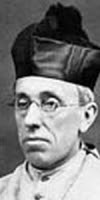


Profile
Born to a farm family, he was a sickly youth. Taught philosophy at the seminary at Nicolet, Quebec, Canada. Ordained on 19 December 1846. Secretary to a series of bishops of Saint-Hyacinthe, Quebec. Founded the Union of Saint Joseph in 1874. Bishop of Saint-Hyacinthe on 19 November 1875. Founder of the Sisters of Saint-Joseph of Saint-Hyacinthe in 1877, and the Sisters of Sainte-Martha.

Born
1 April 1824 in Bécancour, Quebec, Canada

Died
24 May 1901 in Saint-Hyacinthe, Quebec, Canada

Beatified
10 May 1987 by Pope John Paul II

Patronage
diocese of Saint-Hyacinthe, Québec


Blessed John del Prado
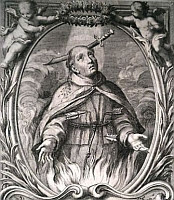


Also known as
• Giovanni di Prado
• John of Prado

Profile
Studied theology at Salamanca, Spain. Priest. Member of the Barefooted Franciscans of the Strict Observance. Missionary to Muslims in Morocco in 1613. Imprisoned, tortured and martyred by order of the ruler of Marrakesh with two other Spanish friars whose names have not come down to us.

Born
at Morgobresio, Kingdom of Léon, Spain

Died
burned to death on 24 May 1636 at Morocco

Beatified
24 May 1728 by Pope Benedict XIII


Blessed Nicetas of Pereaslav

Also known as
Nicetas the Worker Worker

Profile
Married layman who worked as a tax collector in Pereaslav, Russia; he was well known for his greed and merciless collection methods. At one point, though, he had a complete conversion experience, quit his job, left his family, gave up worldly life, and became a monk, giving himself completely to prayer and penance for his previous way of life. Miracle worker. As part of his self-imposed penance, he wore a heavy metal shirt; a group of thieves thought it was silver and killed him for it.

Born
Russia


Saint Susanna

Profile
One of a group of wives of 2nd century martyred soldiers under the command of Saint Meletius. Following the death of the soldiers, the wives and children were martyred, as well.

Died
2nd century Galatia

Patronage
martyrs


Saint Afra of Brescia


Profile
Second-century lay-woman, married to a nobleman in Brescia, Lombardy. Adult convert to Christianity, baptized by Saint Apollonius of Brescia. Martyred in the persecutions of emperor Adrian.

Died
• 133 in Brescia, Italy
• the church in Brescia that is dedicated to her was the one in which Saint Angela Merici founded the Ursuline Order

Patronage
Brescia, Italy


Blessed Isidore Ngei Ko Lat


Profile
Young layman catechist in the diocese of Loikaw, Myanmar.

Born
1920 in Ahtet Tawpon, Kayin, Myanmar

Died
24 May 1950 in Shadaw, Kayah, Myanmar

Beatified
• 24 May 2014 by Pope Francis
• beatification recognition celebrated at the Cathedral of San Paolo, Aversa, Caserta, Italy, presided by Cardinal Angelo Amato


Blessed Mario Vergara


Profile
Priest in the Pontifical Institute for Foreign Missions. Martyr.

Born
16 November 1910 in Frattamaggiore, Naples, Italy

Died
24 May 1950 in Shadaw, Kayah, Myanmar

Beatified
• 24 May 2014 by Pope Francis
• beatification recognition celebrated at the Cathedral of San Paolo, Aversa, Caserta, Italy, presided by Cardinal Angelo Amato


Saint Donatian of Nantes


Profile
Brother of Saint Rogatian of Nantes. Arrested, torture, mutilated, and finally martyred in the persecutions of Diocletian.

Died
beheaded in 299 in Nantes, Brittany (in modern France)


Saint Rogatian of Nantes
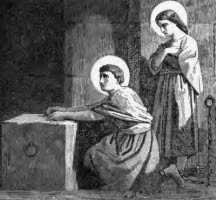


Profile
Brother of Saint Donatian of Nantes. Arrested, torture, mutilated, and finally martyred in the persecutions of Diocletian.

Died
beheaded in 299 in Nantes, Brittany (in modern France)


Saint Vincent of Lérins


Also known as
Vincentius

Profile
May have been born to the Gallic nobility. Career soldier. Retired to become a monk at Lerins, France. Wrote the Commonitory, a great defense of the faith.

Born
Toulouse, France

Died
c.445 in Lerins, France of natural causes


Blessed Benedict of Cassino

Profile
Benedictine monk at Monte Cassino. Abbot of the monastery at Capua, Italy. Known in his house for austere life style, known in the community for his charity.

Died
• 22 May 1055 in Capua, Caserta, Italy of natural causes
• interred at the monastery entrance in Capua
• his tomb became known as a site of miracles


Saint Sérvulo of Trieste


Also known as
Sérvolo, Servulus

Additional Memorial
23 November (basilica of Trieste, Italy)

Profile
Martyred in the persecutions of Numerian.

Died
c.283 in Socerb, Slovenia

Patronage
Trieste, Italy


Saint Marciana of Galatia

Profile
One of a group of wives of 2nd century martyred soldiers under the command of Saint Meletius. Following the death of the soldiers, the wives and children were murdered, as well.

Died
2nd century in Galatia

Patronage
martyrs


Blessed Juan of Huete

Profile
Mercedarian friar at the convent of Santa Maria in Huete, Spain. Greatly increased their already excellent library. Friend and counsellor to the royal family. Converted many Muslims in the Iberian peninsula to Christianity.

Died
• 1442 of natural causes
• buried in the church of the convent of Santa Maria, Huete, Spain


Saint Manahen

Also known as
Manaen

Profile
Friend of Herod Antipas. Manahen was one of those who laid hands on Saint Paul and Saint Barnabas, and sent the two Apostles on the first of Paul's missionary journeys. May have been Saint Luke's source for information on King Herod and family. Likely one of the founders of the Church in Antioch. Had the gift of prophecy.


Saint Gennadius of Astorga

Profile
Benedictine monk at Argeo, Spain. Abbot of San Pedro de Montes, which he restored. Helped spread the Benedictine Rule through northwest Spain. Bishop of Astorga, Spain for 35 years. Resigned his see c.931, and retired to live his remaining years as a monk and hermit at San Pedro.

Died
c.931


Saint Palladia

Profile
One of a group of wives of 2nd century martyred soldiers under the command of Saint Meletius. Following the death of the soldiers, the wives and children were martyred, as well.

Died
2nd century in Galatia

Patronage
martyrs


Blessed Thomas Vasière

Profile
Mercedarian friar at the convent of Santa Maria in Tolosa, Spain. Ransomed 114 Christians from Muslim slavery in north Africa, preaching Christianity as he made his way to them and back.

Born
French

Died
at the convent of Santa Maria in Tolosa, Spain of natural causes


Saint Hubert of Bretigny

Also known as
Hugbert, Uberto

Profile
In the face of family opposition, at age 12 Hubert became a Benedictine monk at Bretigny, Noyon, France.

Died
c.714 of natural causes


Blessed Philip of Piacenza

Profile
Priest. Augustinian hermit at Piacenza, Italy. Wore iron armor at all times as a way of reducing his concern for things of the flesh.

Died
1306 of natural causes


Blessed John of Montfort

Profile
Benedictine Knight Templar of Jerusalem. Wounded in combat with the Saracens, he was taken to Cyprus where he never fully recovered.

Died
25 May 1177 at Nicosia, Cyprus


Saint Meletius the Soldier

Profile
Officer in the imperial Roman army who was executed with 252 of his men for being Christian, date and location unknown. Martyr.


Saint Vincent of Porto Romano

Profile
Martyr.

Died
in Porto Romano, Italy


Saint Patrick of Bayeux

Profile
Bishop of Bayeux, France.

Died
c.469


Blessed Diego Alonso

Profile
Mercedarian missionary to Peru. Miracle worker.


Martyrs of Istria

Profile
A group of early martyrs in the Istria peninsula. We know little more than some names - Diocles, Felix, Servilius, Silvanus and Zoëllus.


Martyrs of Plovdiv

Profile
38 Christians martyred together in the persecutions of Diocletian and Maximian. We don't even known their names.

Died
beheaded in Plovdiv, Bulgaria


21 மே 2022

இன்றைய புனிதர்கள் மே 23

 St. Michael the Confessor


Feastday: May 23

Death: 826

Image of St. Michael the ConfessorIn an eleventh-century Byzantine book of saints known as the Menology of Basil, Michael is described as a "pious and God-fearing" monk. He was educated by the patriarch of Constantinople, Saint Tarasius, who at his accession to the episcopate had brought the Byzantine Church back to communion with the See of Rome after a six-decade schism. Tarasius sent Michael as the courier of a synodal letter to Pope Saint Leo III. In 787 Michael was consecrated bishop of Synnada (Turkey). Michael's defense of the veneration of religious images, in opposition to the Iconoclast heresy that condemned this traditional Christian practice, led to his suffering exile under the Iconoclast Byzantine emperor Leo V ("the Armenian"). Michael told the emperor, "I venerate the immaculate and divine image of our Savior and Lord, Jesus Christ, and of his most holy Mother." Michael spent the remainder of his life in exile at Eudokiadu (Turkey), dying there in 826.

Michael of Synnada or Michael the Confessor (Greek: Μιχαὴλ ὁ ὁμολογητής; died 23 May 826) was a metropolitan bishop of Synnada from 784/7 to 815. He represented Byzantium in diplomatic missions to Harun al-Rashid and Charlemagne. He was exiled by Emperor Leo V the Armenian because of his opposition to iconoclasm, and died on 23 May 826. He is honoured as a saint by the Eastern Orthodox and Roman Catholic churches, his feast day is May 23.


Life

Nothing is known about Michael's early life. He was much influenced by Tarasios (Patriarch of Constantinople in 784–806), who tonsured him. Tarasios sent Michael, along with Theophylact of Nicomedia, to him to a monastery that Tarasios himself had founded on the shores of the Bosporus.[1] By 787, when he attended the Second Council of Nicaea, Michael was already metropolitan bishop of Synnada, having been named to the position by Tarasios.[1] Michael is recorded in all sessions of the council.


He is commonly identified with the Michahel episcopus who was one of the leaders (along with Petrus abbas, identified with Peter of Goulaion) of an embassy sent by Emperor Nikephoros I to Charlemagne in 802/3, to ratify the peace treaty between the two.[2] Nikephoros used Michael and Peter, along with Gregory, the steward of Amastris, again as peace envoys in 806, when the Abbasid caliph Harun al-Rashid launched a large-scale invasion of Asia Minor by the Abbasid caliph Harun al-Rashid.[2][3]


In 811/2 he led another embassy to Charlemagne, along with the protospatharioi Arsaphios and Theognostos, on behalf of Michael I Rangabe, in order to renew the peace treaty and negotiate a possible marriage of Michael's son Theophylact and one of Charlemagne's daughters. Despite a warm reception at Aachen and the ratification of a peace treaty between the two realms, Charlemagne, perhaps wary after the repeated failures of successive efforts to that effect over the previous decades, hesitated to agree to such a match.[1][4] On their way to Charlemagne's court, the embassy passed through Rome, where Michael handed over the synodika (enthronement letter) of Tarasios' successor, Patriarch Nikephoros I, to Pope Leo III.


He clashed with the Emperor Leo V the Armenian over Leo's re-adoption of iconoclasm in 815. He was arrested and exiled to Eudokias.[1] He died there on 23 May 826.


Veneration

He is praised in the Synodikon of Orthodoxy of 843, and is venerated as a saint by the Orthodox and Catholic Churches on 23 May.[1][5][6] He is invoked for protection of crops from pests.


St. Mercurialis of Forli


Feastday: may 23

Death: 406


First bishop of Forli, Italy, and an ardent foe of the Arian heresy which troubled the Church throughout much of the fourth century. Many remarkable adventures were woven onto legends about his life.


Mercurialis (Italian: Mercuriale) was the Christian bishop of Forlì, in Romagna. The historical figure known as Mercurialis attended the Council of Rimini in 359 and died around 406. He was a zealous opponent of paganism and Arianism.

He has come to be venerated as Saint Mercurialis, around which fanciful legends have sprung. The legend states that he was the first bishop of Forlì, during the Apostolic Age, and saved the city by killing a dragon. He has often been depicted in this act, imagery that resembles that associated with St. George. His feast day is May 23.[1][2]

The cathedral of Forlì is named after him.


St. Julia

 கோர்ஸிகாவின் புனிதர் ஜூலியா 

(St. Julia of Corsica)

கன்னியர்/ மறைசாட்சி:

(Virgin, Martyr)

பிறப்பு: ஜூலை 25

கர்தாஜ், மேற்கத்திய ரோமப் பேரரசு

(Carthage, Western Roman Empire)

இறப்பு: கி.பி. 5ம் நூற்றாண்டு (439)

கோர்ஸிகா, மேற்கத்திய ரோமப் பேரரசு

(Corsica, Western Roman Empire)

ஏற்கும் சமயம்:

ரோமன் கத்தோலிக்க திருச்சபை 

(Roman Catholic Church)

கிழக்கு மரபுவழி திருச்சபை

(Eastern Orthodox Church)

புனிதர் பட்டம்: ஃபெப்ரவரி 14

நினைவுத் திருவிழா: மே 23

பாதுகாவல்:

கோர்ஸிகா (Corsica), லிவோர்னோ (Livorno), 

சித்திரவதையால் பாதிக்கப்பட்டவர்கள் (Torture victims)

கைகள் மற்றும் கால்களின் நோய்க்குறிகள் (Pathologies of the hands and the feet)

புனிதர் “கோர்சிகாவின் ஜூலியா” (Saint Julia of Corsica) என்றும், புனிதர் “கார்தாஜ்’ன் ஜூலியா” (Saint Julia of Carthage) என்றும், புனிதர் நோன்ஸா’வின் ஜூலியா (Saint Julia of Nonza) என்றும் அறியப்படும் புனிதர் ஜூலியா, கன்னியரும், மறைசாட்சியும் ஆவார். இவரும் புனிதர் “டெவோட்டா’வும் (Saint Devota) கோர்ஸிகா’வின் (Corsica) பாதுகாவலர்களாக திருச்சபையினால் அறிவிக்கப்பட்டுள்ளனர்.

ரோமானிய ஆட்சியின் கீழே “கோர்சிகா” கிறிஸ்தவ மறையை தழுவியதன் முன்னர் (Pre-Christian Corsica under Roman rule) நடந்த கிறிஸ்தவர்களின் துன்புருத்தல்களின்போது இவர்கள் மறைசாட்சிகளாக கொல்லப்பட்டதாக சரித்திரம் இயம்புகின்றது.

“விக்டர் விட்டேன்சிஸ்” (Victor Vitensis) எனும் ஒரு ஆபிரிக்க ஆயர் (Bishop of Africa), ரோம சாம்ராஜ்ஜியத்தின் ஆபிரிக்க பிராந்திய நாடான “வண்டல்ஸ்” (Vandals) நாட்டின் அரசர்கள் “ஜீஸெரிக்” (Geiserici) மற்றும் “ஹனுரிக்” (Hunirici) ஆகியோரின் காலத்தில் நடைபெற்ற கிறிஸ்தவ துன்புறுத்தல்கள் பற்றிய சரித்திர பதிவுகளை எழுதினார்.


கி,பி, 429ம் ஆண்டு, அரசன் “ஜீஸெரிக்” (Geiseric) சுமார் 80,000 பழங்குடியினருடன் ஸ்பெயின் நாட்டிலிருந்து ஆபிரிக்கா நோக்கி படையெடுத்தான். கி.பி. சுமார் 439ம் ஆண்டு, “கார்தாஜ்” (Carthage) நாட்டை கைப்பற்றினான். அதன் பின்னர் அவன் அங்குள்ள கிறிஸ்தவ மக்களை “ஆரியனிஸ” (Arianism) மதத்திற்கு மாற்ற எடுத்துக்கொண்ட கொடுங்கோல் துன்புறுத்தல் நடவடிக்கைகள் அப்போதிருந்த கிறிஸ்தவ ஆயர்கள் எவராலும் மறக்கவோ, பொறுத்துக்கொள்ளவோ இயலாததாகும்.

ஜூலியா, ஒரு “கார்தாஜ்” (Carthaginian girl) பெண்ணாவார். அவர் “யூசேபியஸ்” (Eusebius) என்பவனால் அவரது நகரிலிருந்து பிடித்து கொண்டுவரப்பட்டார். பின்னர் அவரை அடிமையாக விற்றான். இதுபோலவே கீழ்படியாத கிறிஸ்தவர்கள் பலரை அவர்கள் அகற்றினார்கள். “யூசேபியஸ்” (Eusebius) ஒரு பாலஸ்தீனிய நாட்டின் சிரிய (Citizen of Syria in Palestine) பிரஜை ஆவான். “கேப் கோர்ஸ்” (Cap Corse) துறைமுகத்தில் நங்கூரமிட்டிருந்த சரக்குக் கப்பலில் போதையின் கொண்டாட்டத்தின் உச்சத்தில் இருந்தனர். அவர்களின் பாவச் செயல்களுக்காக ஜூலியா மிகவும் மன வருத்தத்தில் இருந்தார். கப்பலிலுள்ள ஒரு பெண், பாகனிய கடவுளர்களை பூஜிக்க மறுப்பதாகவும், ஏளனம் செய்வதாகவும் “ஃபெலிக்ஸ் சாக்சோ” (Felix Saxo) என்பவனிடம் கூறினர். ஃபெலிக்ஸ், அப்பெண்ணை நமது வழிக்கு கொண்டுவாருங்கள்; அல்லது அவளை என்னிடம் கொண்டுவாருங்கள் என்று யூசேபியஸிடம் சொன்னான். யூசேபியஸோ, நான் “எவ்வளவோ முயற்சித்தும் எனக்கு வெற்றி கிடைக்கவில்லை. உங்களால் முடிந்தால் முயற்சி செய்யுங்கள்” என்றான்.


“ஃபெலிக்ஸ் சாக்சோ” (Felix Saxo) நயமாகவும் பயமுறுத்தியும் முயன்று பார்த்தான். ஆனால், ஜூலியா கிறிஸ்துவின் விசுவாசத்தை கைவிட மறுத்துவிட்டார். ஆகவே, சிறிதும் இரக்கமற்ற முறையில் துன்புறுத்தப்பட்டு ஜூலியா

Feastday: May 23

Patron: Corsica, Livorno, torture victims, and pathologies of the hand and the feet


St. Julia of Corsica, also known as St. Julia of Carthage or St. Julia of Nonza, was born to noble, aristocratic parents in Carthage. Overtime, Carthage was subject to many barbaric attacks, weakening the city's defenses.


During an attack by Gaiseric, King of the Vandals, Julia was taken from her family and sold into slavery. She was purchased by a pagan merchant of Syria, named Eusebius.


Even during the most daunting chores, Julia never complained or felt sorry for herself. By being patient and cheerful, Julia was able to find comfort in her place in the world. Julia passionately loved God. When she was not working under her master's commands, Julia devoted her time toward praying and reading books of piety.


Eusebius, charmed by Julia's commitment and devotion, felt it was right to bring her along with him during his journey to Gual, where France now stands. Upon reaching the northern part of an island then called Corisca, he anchored his ship to join a pagan idolatrous festival.


Julia was left on her own some distance away from the festival, because she refused to be defiled by the "superstitious ceremonies" she openly hated.


The governor of the island, Felix, was a narrow-minded pagan who needed to have things his way. He noticed Julia outside of the festival and felt she was "insulting the gods." Eusebius informed Felix that Julia was a Christian and that despite his authority over her, she would not renounce her religion. Eusebius explained he could not bare parting with Julia because she was so diligent and faithful in her work for him.


Felix would not accept this. He offered Eusebius four of his best female slaves in exchange for Julia. Eusebius replied, "No; all you are worth will not purchase her; for I would freely lose the most valuable thing I have in the world rather than be deprived of her."


Not content, Felix prepared a banquet and waited until Eusebius became intoxicated and fell into a deep sleep to make his next move.


Felix found Julia alone and unprotected. He tried to get her to sacrifice to his gods. He told her he would grant her freedom if she would obey. Julia refused to deny Christ.


"My freedom is to serve Christ," she said, "whom I love every day in all the purity of my soul."


Enraged by her response, Felix had Julia struck in the face and her hair torn from her head. Still, during her torture, Julia continued to confess her faith. Finally, he had her hanged on a cross until she died.


Her body was carried off by monks of the isle of Gorgon, but in 763, the King of Lombardy, Desiderius, had her relics moved to Brescia, a city in the northern Italian region of Lombardy where the memory of St. Julia is celebrated with great devotion.


St. Julia is often depicted with the palm of martyrdom and the crucifix. She is the patron saint of Corsica, Livorno, torture victims, and pathologies of the hand and the feet. Her feast day is celebrated on May 23.


This article is about the Carthaginian Christian martyred on Corsica. For other saints named Julia, see Saint Julia (disambiguation).

Saint Julia of Corsica (Italian: Santa Giulia da Corsica; French: Sainte Julie; Corsican: Santa Ghjulia; Latin: Sancta Iulia), also known as Saint Julia of Carthage, and more rarely Saint Julia of Nonza, was a virgin martyr who is venerated as a Christian saint. The date of her death is most probably on or after AD 439. She and Saint Devota are the patron saints of Corsica in the Catholic Church. Saint Julia was declared a patroness of Corsica by the Church on 5 August 1809; Saint Devota, on 14 March 1820. Both were martyred in pre-Christian Corsica under Roman rule. Julia's feast day is 23 May in the Western liturgical calendar and 16 July in the East.[1][2]


Saint Julia is included in most summary lives of the saints. The details of those lives vary, but a few basic accounts emerge, portraying biographical data and events that are not reconcilable. Various theories accounting for the differences have been proposed. The quintessential icon of Saint Julia derives from the testimony of Victor Vitensis, contemporaneous Bishop of Africa. It is supported by physical evidence: the relics, a small collection of human bone fragments, are where historical events subsequent to the story say they ought to be, at the former Church of Santa Giulia in Brescia, Italy, now part of the city museum.


St. Epiphanius and Basileus


Feastday: May 23

Death: 1st Century


Martyrs, both bishops. Epitacius was the first bishop of Tuy, Spain. Basileus ruled Braga, Portugal. 


St. Didier


Feastday: May 23


Desiderius was born at Autun, Gaul, and also known as Didier. He became bishop of Vienne. His enforcement of strict clerical discipline, his attachs on simony, and his denunciation of the immorality of Queen Brunhildis' court made him many enemies. He was denounced by the queen for paganism to Pope Gregory the Great who completely exonerated him, but was banished by a synod controlled by Brunhildis. Desiderius returned four years later but was murdered by three followers of King Theodoric, whom he had publicly censured. His feast day is May 23.


St. Crispin of Viterbo


Feastday: May 23

Birth: 1668

Death: 1750

Canonized: Pope John Paul II


Franciscan lay brother, noted for miracles, prophecies, and holiness. Born Peter Fioretti, in Viterbo, Italy, on November 13, 1668, he studied at the Jesuit College, and became a shoemaker. At twenty-five he entered the Franciscan Capuchins and took the name Crispin. He served as a gardener and as a cook. He called himself "the little beast of burden of the Capuchins." During an epidemic, Crispin effected many miraculous cures. He was also venerated for his prophecies and spiritual wisdom. Crispin died I Rome on May 19. He was beautified in 1806 and canonized in 1982.


Crispino da Viterbo (13 November 1668 – 19 May 1750) - born Pietro Fioretti - was an Italian Roman Catholic professed religious from Order of Friars Minor Capuchin.[1] Fioretti was an ardent devotee of the Mother of God and was consecrated to her protection in 1674 and he even made a small altar dedicated to her when he served in the kitchens at the house in Orvieto.[2][3] He served in various roles for the order in various cities around Rome where he became a well-known figure with various nobles and prelates - even Pope Clement XI visiting him and seeking him out for advice and support. Fioretti likewise was known as a sort of wonderworker who worked miracles during his lifetime. He was also known for his warm sense of humor and his simple method for living.[4][5]


The calls for him to be named as a saint began as soon as he had died and the formal cause to investigate his holiness opened on 16 September 1761 under Pope Clement XIII while he was named as Venerable in 1796 under Pope Pius VII. Pope Pius VII beatified him in 1806 while Pope John Paul II canonized him as a saint on 20 June 1982 - the first canonization in the latter's pontificate.


St. John Baptist de Rossi


Feastday: May 23

Patron: of Voltaggio

Birth: February 22, 1698

Death: May 23, 1764

Beatified: May 13, 1860 by Pope Pius IX

Canonized: December 8, 1881 by Pope Leo XIII


St. John Baptist de de Rossi, also known as Giovanni Battista de' Rossi, was born on February 22, 1698 in Voltaggio, Italy. He was the fourth child of Charles de Rossi and Frances Anfossi, known to be a holy and faith filled couple.


Though John's family was not financially wealthy, they were rich in faith. Through their guidance and a wonderful education, John learned to excel in his living faith, piety and gentleness.


A pair of priests, Scipio Gaetano and Giuseppe Repetto, saw great potential within John and took his early education and faith formation as a part of their apostolate, taking him under their spiritual care.


When he was 10-years-old, John met with a wealthy, noble couple from Genoa after Mass. They, too, noted his gifts and potential. So, they took him in as a page, after receiving his father's approval. John was taken to Genoa to attend school until 1711.


In 1710, John's father suddenly passed away. His mother pleaded for him to return home, but John was convinced that the Lord wanted him to finish his education in Genoa.


In 1711, John was called to Rome by his cousin, the canon of St. Mary in Cosmedin, Lorenzo de Rossi. Lorenzo suggested John complete his studies there at the Collegium Romanum under the guidance of the Jesuits.


John continued to thrive in his studies. His natural talents, spiritual gifts, Christian virtue and willingness to apply himself to his studies made him the model student.


Confirmation with Certificate of Completion - Enroll FREE Now

He studied philosophy and theology under the Dominicans at the Dominican College of Saint Thomas.


During this time, John joined the Sodality of the Blessed Virgin and the Ristretto of the Twelve Apostles. Both groups were comprised of lay Christian faithful especially dedicated to Christian prayer and service. He led the members of the groups in meetings, group prayer and outreach to the poor, including visits to the hospitals.


John's desire to grow in holiness sometimes led him to going overboard in his practices of voluntary mortification and his austerity nearly ruined his health. He also began to have fits of epilepsy. He struggled with these for the rest of his life.


John wanted dearly to become a priest. Under normal circumstances, his epileptic fits would have excluded him from the priesthood. However, he was granted a special dispensation. After ordination as a deacon, he was ordained to the priesthood on March 8, 1721. John believed he had reached his goal and was deeply grateful to the Lord for the vocation of priesthood. So, as an expression of gratitude, he vowed to not accept any ecclesiastical benefits unless commanded to do so out of obedience to his religious superiors.


He devoted himself to serving Rome's sick, homeless and prostitutes. He would visit the sick and poor in the hospitals by day, and by night he ministered to the street people. He reached out to assist homeless women and helped to found a hospice for them near Saint Galla. He also aided prisoners and workers.


John spoke to the dying about Jesus Christ, leading them to salvation. He desperately wanted to relieve them of their suffering. None of the sick repulsed him, no matter how bad their illness or symptoms because he saw Jesus in them.


In one instance, a young man who was ill and dying from syphilis turned away from John's attention, out of shame. However, as John showed his selfless heart and helped him with his bedpan, the man finally took the time to listen to John's words and was able to make a good confession before his death.


Other priests were in awe of John's holiness and manner of life. They saw that with only a few kind words he could turn people's lives around.


During one of his sermons, John stated to his fellow priests:


"Ignorance is the leprosy of the soul. How many such lepers exist in the church here in Rome, where many people don't even know what's necessary for their salvation? It must be our business to try to cure this disease. The souls of our neighbors are in our hands, and yet how many are lost through our fault? The sick die without being properly prepared because we have not given time or care enough to each particular case. Yet with a little more patience, a little more perseverance, a little more love, we could have led these poor souls to heaven."


"The poor come to church tired and distracted by their daily troubles. If you preach a long sermon they can't follow you. Give them one idea that they can take home, not half a dozen, or one will drive out the other, and they will remember none."


In 1735, John became titular canon at St. Mary in Cosmedin. Following the death of his cousin in 1737, obedience forced John to accept the canonry. However, John refused the house belonging with the title, and used funds from selling the home toward his cause with the poor.


John's illness continued to impact his life, as he was afraid of entering the confessional because the possibility of having a seizure during the session. He became accustom to sending the sinners he found to other priests.


In 1738, John became dangerously ill and was sent to Civita Castellana to regain his health. While there, the bishop residing in that location pushed him to hear confessions. After reviewing his moral theology, John received the special faculty of hearing confessions in any of Rome's churches.


From then on, John spent countless hours hearing confessions from the poor and illiterate whom he sought from hospitals and their homes.


John became the "apostle of the abandoned," and became known as a second Philip Neri, a hunter of souls. He preached five to six times a day in all kinds of places, including churches, hospitals and prisons. He was also known for his strong devotion to St. Aloysius Gonzaga.


In August 1762, the state of his health became worse. John became worn out and his strength began to deteriorate. His companions begged him to go to Lake Nemi to recover. While there, he started having worse epileptic fits.


Two months later, he returned to Rome. John rarely left his room, but in September 1763, he celebrated Mass at Santa Maria in Cosmedin, telling those present that he would be dying soon.


In December, he was found in his room unconscious, after suffering a violent seizure. He remained unconscious for a day. He was given Viaticum, the special prayers and reception of the Holy Eucharist given to the gravely ill and dying. He was also given the Anointing of the Sick, also called Last Rites when it is administered before death.


However, John recovered from his illness and went on to celebrate several more Masses. Soon later, his health once again declined and he was confined to his bed.


John Baptist de Rossi passed to the Lord whom he loved with such true devotion on May 23, 1764 in his bedroom in Trinita de Pellegrini.


His body was buried in that church under a marble slab at the altar of the Blessed Virgin. His remains were relocated in 1965 to a new church named in his honor.


Pope Pius VI began the cause of canonization for John Baptist de Rossi in 1781, but both the French Revolution and the Napoleonic Wars created setbacks. Years later in 1859, Pope Pius IX resumed his cause and attributed two miracles to John's intercession.


St. John Baptist de Rossi was beatified on May 13, 1860 by Pope Pius IX and canonized on December 8, 1881 by Pope Leo XIII.


He is the patron saint of Voltaggio and his feast day is celebrated on May 23.


Giovanni Battista de' Rossi (22 February 1698 – 23 May 1764) was an Italian Roman Catholic priest.[1][2] He served as the canon of Santa Maria in Cosmedin after his cousin, who was a priest serving there, died. He was a popular confessor despite his initial fears that his epileptic seizures could manifest in the Confessional. Rossi opened a hospice for homeless women not long after his ordination, and he became known for his work with prisoners and ill people, to whom he dedicated his entire ecclesial mission.[3][4]


Rossi's canonization was celebrated on 8 December 1881. It had begun decades before but was suspended due to tensions in Europe that meant work could not be pursued regarding the cause; it was later revitalized and he was beatified in 1860.


St. Quintian


Feastday: May 23

Death: 430


Lucius and Julian, Paul, Dionysius, the Bishop of Alexandria. And 10 companions, Martyrs for the doctrine of Trinity (Three persons in one God)


Quintian (Quinctianus), Lucius and Julian (Julianus) are venerated as saints and martyrs by the Roman Catholic Church. According to the Roman Martyrology, they were inhabitants of North Africa who were killed during the persecutions of the Vandal king Huneric (476–484 AD), who was an Arian.[3] However, the date of their martyrdom may be conjectural.[3] They are the only ones named in a group of sixteen martyrs, which included several women.[3]


According to the Catholic Encyclopedia, Quinctianus was a bishop and was probably the same person as a bishop named Urcitanus.[2]


The Martyrologium Hieronymianum mentions other African martyrs of this same name on other feast days; however, no other information is included for the martyrs placed under the different feast days.[2]


The Great Synaxaristes of the Orthodox Church mentions that saints Quintianus, Lucius and Julianus were martyred together with nineteen other Christians.


Saint William of Rochester

 ரோச்செஸ்டர் நகர் புனிதர் வில்லியம் 


(St. William of Rochester)

மறைசாட்சி:

(Martyr)

பிறப்பு: கி.பி 12ம் நூற்றாண்டு

பெர்த், ஸ்காட்லாந்து

(Perth, Scotland)

இறப்பு: கி.பி 1201

ரோச்செஸ்டர், இங்கிலாந்து

(Rochester, England)

ஏற்கும் சமயம்:

ரோமன் கத்தோலிக்க திருச்சபை

(Roman Catholic Church)

புனிதர் பட்டம்: கி.பி 1256

திருத்தந்தை நான்காம் அலெக்சாண்டர்

(Pope Alexander IV)

நினைவுத் திருநாள்: மே 23

பாதுகாவல்: தத்தெடுக்கப்பட்ட குழந்தைகள்

ரோச்செஸ்டர் நகர் வில்லியம் (Saint William of Rochester) என்றும் அழைக்கப்படும் பெர்த் நகர் புனிதர் வில்லியம் (Saint William of Perth), இங்கிலாந்தில் மறைசாட்சியாக மறைந்த ஒரு ஸ்காட்டிஷ் துறவி ஆவார். அவர் தத்தெடுக்கப்பட்ட குழந்தைகளின் பாதுகாவலர் ஆவார்.

அக்காலத்தில், ஸ்காட்லாந்து (Scotland) நாட்டின் முக்கிய நகரங்களில் ஒன்றான பெர்த் (Perth) நகரில் பிறந்த இவர், இளமையில், ஓரளவு முரட்டுத்தனமாக இருந்தார். ஆனால், வளர வளர, அவர் கடவுளின் சேவைக்காக தன்னை முழுமையாக அர்ப்பணித்தார். வர்த்தக ரீதியாக ஒரு ரொட்டி தயாரிக்கும் (Baker) தொழில் செய்து வந்த இவர், (சில ஆதாரங்கள் அவர் ஒரு மீனவர் என்று கூறுகிறார்கள்), தாம் உற்பத்தி செய்யும் ஒவ்வொரு பத்தாவது ரொட்டியையும் ஏழைகளுக்காக ஒதுக்குவது அவருக்குப் பழக்கமாக இருந்தது.

வில்லியம் தினம்தோறும் காலை திருப்பலி காண ஆலயம் செல்லும் வழக்கம் கொண்டிருந்தார். ஒரு நாள், வெளிச்சம் கூட சரியாக விடிகாலை வேளை, தேவாலயத்தின் வாசலில் ஒரு கைவிடப்பட்ட குழந்தையைக் கண்டு, அதனை தத்தெடுத்தார்.  குழந்தைக்கு டேவிட் எனும் பெயர் சூட்டிய அவர், தமது தொழிலான ரொட்டி தயாரிக்கும் பணியையும், வர்த்தகத்தை கற்பித்தார். சில காலத்தின் பின்னர், அவர் புனித திருத்தலங்களைப் பார்வையிட திட்டமிட்டார். மேலும், புனிதப்படுத்தப்பட்ட பணப்பையையும் (உண்டியல் பணம்), தமது வளர்ப்புப் பிள்ளையான டேவிட்டையும், ஊழியர்களையும்  அழைத்துக்கொண்டு, திருயாத்திரை புறப்பட்டார்.

அவர்கள் ரோச்செஸ்டர் (Rochester) நகரில் மூன்று நாட்கள் தங்கியிருந்தனர். அடுத்த நாள் கேன்டர்பரி (Canterbury) நகருக்கு எண்ணினர். அங்கிருந்து ஜெருசலேம் (Jerusalem) நகருக்கு செல்ல திட்டமிட்டிருந்தனர். ஆனால் அதற்கு பதிலாக, டேவிட் வேண்டுமென்றே தனது வரர்ப்புத் தந்தையை வேண்டுமென்றே ஒரு குறுக்கு வழியில் தவறாக வழிநடத்தினான். வழியில், அவர்கள் வழிச்செலவுக்கும், காணிக்கைகளுக்குமாக சேமித்து வைத்திருந்த உண்டியல் பணம் முழுதையும் கொள்ளையடித்தான். தமது வளர்ப்புத் தந்தையான வில்லியமை தலையில் அடித்து கீழே தரையில் வீழ்த்திய அவன், அவரது தொண்டையை அறுத்து அவரை கொலை செய்தான்.

அவரது உடல், மனநோயாளி பெண்மணி ஒருத்தியால் கண்டெடுக்கப்பட்டது. அப்பெண்மணி, "ஹனிசக்கிள்" (Honeysuckle) என்றழைக்கப்படும் மலர்களாலான ஒரு மலர்மாலை பின்னி, அதனை வில்லியமின் உடலின் தலையருகே வைத்தாள். (இந்த "ஹனிசக்கிள்" வகை மலர்கள், வட அமெரிக்கா (North America) மற்றும் யூரேசியா  (Eurasia) நாடுகளில் காணப்படுகிறது.) ஒரு மலர்மாலையை தனது தலையிலும் சூடிக்கொண்டாள். அக்கணமே, அவளை பிடித்திருந்த மனநோய் அவளை விட்டகன்றது.

நடந்த சம்பவங்களை கேட்டறிந்த ரோச்செஸ்டர் நகர (Monks of Rochester) துறவிகள், வில்லியமின் உடலை ஆலயத்திற்கு கொண்டு சென்று அங்கேயே அடக்கம் செய்தனர். அவர் புனித ஸ்தலங்களுக்கு யாத்திரை சென்ற காலத்தில் மரித்ததாலும், மனநோயாளி பெண்மணி குணமான காரணத்தினாலும், அவர் மறைசாட்சியாக கௌரவிக்கப்பட்டார். மனநோயாளி பெண்மணி குணமான அதிசயத்தின் விளைவாகவும், அவரது மரணத்திற்குப் பிறகு அவரது பரிந்துரையில் செய்யப்பட்ட மற்ற அற்புதங்களின் விளைவாகவும், அவர் மக்களால் ஒரு புனிதர் என்று வணங்கப்பட்டார்.

ரோச்செஸ்டர் (Rochester) நகரில் இவரது பெயரில் அர்ப்பணிக்கப்பட்ட ஆலயமும் (The shrine of St William of Perth), இவரது பெயரால் நிறுவப்பட்ட தொடக்கப்பள்ளியும் (St William of Perth Primary School) உள்ளன.

Also known as

William of Perth


Profile

William led a wild and misspent youth, but as an adult he had a complete conversion, devoting himself to God, caring especially for poor and neglected children. He worked as a baker, and gave every tenth loaf to the poor. He attended Mass daily, and one morning on his way to church he found an infant abandoned on the threshold. He named the baby David, and adopted him, and taught him his trade.


Years later he and David set out on a pilgrimage to the Holy Lands. During a stop-over in Rochester, England the boy David turned on William, clubbed him, cut his throat, robbed the body, and fled. Because he was on a holy journey, and because of the miraculous cures later reported at his tomb, he is considered a martyr.


A local insane woman found William's body, and plaited a garland of honeysuckle flowers for it; she placed the garland on William, and then on herself whereupon her madness was cured. Local monks, seeing this as a sign from God, interred William in the local cathedral and began work on his shrine. His tomb and a chapel at his murder scene, called Palmersdene, soon became sites of pilgimage and donation, even by the crown. Remains of the chapel can be seen near the present Saint William's Hospital.


Born

12th century at Perth, Scotland


Died

• throat cut in 1201 at Rochester, England

• interred in the cathedral at Rochester


Canonized

1256 by Pope Innocent IV


Patronage

adopted children


Saint Euphrosyne of Polotsk


Also known as

• Yefrasinnya Polatskaya

• Efrasinnia, Efrosin, Euphrasinne, Evfrosinia, Pradslava


Profile

Daughter of Prince Svyatoslav of Polotsk. Granddaughter of Prince Polacak Usiaslau. Entered the Convent of Holy Wisdom at Polotsk, a house founded by her aunt, at age 12; she was later joined by her sister, two nieces, and a cousin. Hermit in a cell in the Cathedral of Holy Wisdom. Book copyist; proceeds from the sale of the books were given to the poor. Founded a convent at Seltse. Pilgrim to Constantinople; received by emperor Manuel I and Patriarch Michael III. Pilgrim to the Holy Lands where she was received by the Crusader King Amaury I. Especially venerated by Belarussians, Ruthenians, Lithuanians, and Russians.


Born

1110 at Polotsk, Belarus as Pradslava


Died

• 1173 at the monastery of Mar Saba near Jerusalem of natural causes

• re-interred in the Monastery of the Caves at Kiev in 1187

• relics translated to Polotsk in 1910 at the Saviour-Efrosinia Convent


Canonized

1984 by Pope John Paul II in Belarus


Patronage

Belarus


Saint Michael of Synnada


Also known as

Michael the Confessor


Profile

Moved to Constantinople as a young man where he became a student of Saint Tarasius of Constantinople. Friend of Saint Theophylact of Nicomedia. Monk in a monastery on the Bosporus. Recalled to Constantinople by student of Saint Tarasius who ordained him. Bishop of Synnada, Phrygia (in modern Turkey) in 787. Part of the Second Council of Nicaea in 787. Imperial diplomat to caliph Harun al-Rashid in 806, to Pope Saint Leo III in 811, and Blessed Charlemagne in 812. Exiled in 814 and imprisoned in 815 by emperor Leo V for defending the use of icons.


Died

826 in Eudokiadu, Turkey of natural causes


Saint Guibertus of Gorze


Also known as

• Guibertus of Gembloux

• Guibert of...


Profile

Born to the French nobility. Soldier who fought in several campaigns. Hermit on his estates at Gembloux, Brabant (in modern Belgium. Founded a monastery in Gembloux. Benedictine monk at Gorze Abbey near Metz, France. Though he wanted to retire from the world, he was forced to return to Gembloux several times to defend the rights of the foundation he established to support the monastery.


Born

in the Lorraine region of France


Died

962 at Gorze Abbey in France of natural causes


Saint Desiderius of Langres


Also known as

• Desiderius of Genoa

• Desiderio, Dizier, Didier, Désiré


Additional Memorial

11 February (Hieronymian Martyrology)


Profile

Bishop of Langres, France. Supported the Acts of the Council of Serdica in 343. Killed by Vandal invaders while trying to negotiate with them for the people in his diocese. Martyr with many of his flock.


Born

407 in Genoa, Italy


Died

• beheaded near Langres, France

• buried in Langres


Blessed Wincenty Matuszewski


Additional Memorial

12 June as one of the 108 Martyrs of World War II


Profile

Priest in the diocese of Wloclawek, Poland. Murdered by occupying Nazi forces for the crime of being a Catholic priest. Martyr.


Born

3 March 1869 in Chruscienska Wola, Lódzkie, Poland


Died

23 May 1940 in Witowo, Kujawsko-Pomorskie, Poland


Beatified

13 June 1999 by Pope John Paul II


Blessed Józef Kurzawa


Additional Memorial

12 June as one of the 108 Martyrs of World War II


Profile

Priest in the diocese of Wloclawek, Poland. Murdered by occupying Nazi forces for the crime of being a Catholic priest. Martyr.


Born

6 January 1910 in Swierczyni, Wielkopolskie, Poland


Died

23 May 1940 in Witowo, Kujawsko-Pomorskie, Poland


Beatified

13 June 1999 by Pope John Paul II


Blessed Elizabeth of Melegnano


Also known as

Lisabetta


Profile

Poor Clare nun in the monastery of Santa Chiara in Mortara, Italy.


Born

15th century Melegnano, Italy


Died

23 May 1530 of natural causes


Blessed Cristoforo Soler


Profile

Mercedarian friar. In 1380 he redeemed 198 Christians who had been enslaved by Muslim Moors in Oran, Algeria. Returning to the convent, he was known by brother Mercedarians for his personal piety.


Saint Eutychius of Valcastoria


Also known as

• Eutychius of Norvia

• Eutizio of...


Profile

Sixth-century hermit and monk whose piety led many to God. Miracle worker. Abbot of a monastery in Valcastoria, Italy. Pope Gregory the Great wrote about him.


Saint Florentius of Valcastoria


Also known as

Florentius of Norcia


Profile

Sixth-century hermit and monk whose piety led many to God. Miracle worker. Abbot of a monastery in Valcastoria, Italy. Pope Gregory the Great wrote about him.


Blessed Leontius of Rostov


Profile

Missionary to Russia. Monk at the Caves of Kiev. Bishop of Rostov in 1051 where he served for over 25 years.


Born

Greek


Died

1077 of natural causes


Saint Epitacius of Tuy


Also known as

Epictetus, Epictritus


Profile

First bishop of Tuy, Galatia (in modern Spain).


Saint Syagrius of Nice


Also known as

Siacre, Siagrio


Profile

Monk at Lerins, France. Founded Saint Pons Monastery at Cimiez, France. Bishop of Nice, France in 777.


Died

c.787


Saint Onorato of Subiaco


Also known as

Honoratus, Honore


Profile

Benedictine monk in the early 6th century. Abbot at Subiaco, Italy, leading a community formed by Saint Benedict.


Saint Spes of Campi


Profile

Monk. Abbot in Campi, Italy. Totally blind for 40 years, his eyesight was suddenly restored for the last 15 days of his life.


Died

c.515


Saint Euphebius of Naples


Also known as

Efébo


Profile

4th century bishop of Naples, Italy.


Saint Goban Gobhnena


Profile

Sixth-seventh century abbot at Old-Leighlin, County Limerick, Ireland.


Saint Basileus of Braga


Profile

First bishop of Braga, Portugal.


Martyrs of Béziers


Profile

20 Mercedarian friars murdered by Huguenots for being Catholic. Martyrs.


Died

1562 at the Mercedarian convent at Béziers, France


Martyrs of Cappadocia


Profile

A group of Christians tortured and martyred in the persecutions of Diocletian and Galerius. Their names and the details of their lives have not come down to us.


Died

having their bones crushed, c.303 in Cappadocia (in modern Turkey)


Martyrs of Carthage


Profile

When a civil revolt erupted in Carthage in 259 during a period of persecution by Valerian, the procurator Solon blamed it on the Christians, and began a persecution of them. We know the names and a few details about 8 of these martyrs - Donatian, Flavian, Julian, Lucius, Montanus, Primolus, Rhenus and Victorius.


Born

African


Died

beheaded in 259 at Carthage (modern Tunis, Tunisia)


Martyrs of Mesopotamia


Profile

A group of Christians martyred in Mesopotamia in persecutions by imperial Roman authorities. Their names and the details of their lives have not come down to us.


Died

suffocated over a slow fire in Mesopotamia


Martyrs of North Africa


Profile

A group of 19 Christians martyred together in the persecutions of the Arian Vandal King Hunneric for refusing to deny the Trinity. We know little more than a few of their names - Dionysius, Julian, Lucius, Paul and Quintian.


Died

c.430

இன்றைய புனிதர்கள் மே 22

 St. Michael Ho-Dinh-Hy


Feastday: May 22

Death: 1857

Canonized: Pope John Paul II


Martyr of Vietnam. A native of Vietnam, he was born to Christian parents and was by profession a wealthy silk trader and superintendent of the royal silk mills. He did not practice the faith until late in life, becoming then protector of the Christian community. He was arrested for his Christian activities, suffering beheading. Pope John Paul II canonized him in 1988.


Bl. Peter of the Assumption


Feastday: May 22

Death: 1614


Also Peter of Cuerva, a martyr of Japan. A Spaniard from Cuerva, near Toledo, he entered the Franciscans and was sent to Japan in 1601 with fifty other members of the order. While there, he was named guardian of the Franciscan friary at Nagasaki. Arrested by Japanese officials, he was imprisoned at Omura and, with Blessed John Machado, was beheaded at Nagasaki. Beatified in 1867, he is considered the first martyr of the second great Japanese persecution.


St. Peter Pareuzi


Feastday: May 22

Death: 1199


Papal legate and martyr. Peter was from Rome and entered the service of the papacy. Trusted as a papal representative, he was dispatched as a legate to Orvieto in 1199 with the task of suppressing the Cathars who were at the time troubling the local Church. Against these heretics, Peter instituted harsh measures, and the outraged Cathars assassinated him.


Peter Pareuzi was a Papal legate and martyr. He was from Rome and served the papacy. As a papal legate, he was sent to Orvieto in 1199, to enter into dialogue with the Cathars, who were troubling the local church. Peter then suffered martyrdom, at the hands of the Cathars.


Saint Rita of Cascia

 கேஸியா நகர புனிதர் ரீட்டா 

(St. Rita of Cascia)

தாய், விதவை, அருள் வடுவுற்றவர், அர்ப்பணிக்கப்பட்ட மறைப் பணியாளர்:

(Mother, Widow, Stigmatist, Consecrated Religious)

பிறப்பு: கி.பி. 1381

ரொக்கபொரேனா, பெருஜியா, உம்ப்ரியா, இத்தாலி

(Roccaporena, Perugia, Umbria, Italy)

இறப்பு: மே 22, 1457

கேஸியா, பெருஜியா, உம்பிரியா, இத்தாலி

(Cascia, Perugia, Umbria, Italy)

ஏற்கும் சமயம்: 

ரோமன் கத்தோலிக்க திருச்சபை

(Roman Catholic Church)

அக்லிபாயன் திருச்சபை (1902ல் ரோமன் கத்தோலிக்க திருச்சபையிலிருந்து பிரிந்தது)

(The Aglipayan Church - Separated from the Roman Catholic Church in 1902)

அருளாளர் பட்டம்: கி.பி. 1626

திருத்தந்தை எட்டாம் அர்பன் 

(Pope Urban VIII)

புனிதர் பட்டம்: மே 24, 1900

திருத்தந்தை பதின்மூன்றாம் லியோ

(Pope Leo XIII)

முக்கிய திருத்தலங்கள்: 

கேஸியா, இத்தாலி

(Cascia, Italy)

நினைவுத் திருநாள்: மே 22

சித்தரிக்கப்படும் வகை: 

நெற்றியில் காயம், ரோஜா, தேனீக்கள், 

திராட்சைக் கொடி

பாதுகாவல்: 

தொலைந்த மற்றும் இயலாத காரணங்கள், நோய்கள், காயங்கள், திருமணம் சார்ந்த பிரச்சினைகள், அதிகாரம் மற்றும் உரிமை, முதலியவற்றைத் தவறாகப் பயன்படுத்துதல், தாய்மார்கள்

புனிதர் ரீட்டா, இத்தாலிய நாட்டின் விதவைப் பெண்ணும், அகஸ்தீனிய சபையின் (Augustinian nun) பெண் துறவியும், ரோமன் கத்தோலிக்க திருச்சபையின் புனிதரும் ஆவார். திருமணமான இவர், இவரது 18 ஆண்டுகால திருமண வாழ்க்கையில், தமது கணவனை தவறான பாதையிலிருந்து மீட்க முயற்சி செய்ததிலேயே முடிவடைந்தது. 

வாழ்க்கைக் குறிப்பு:

“மார்கரிட்டா லோட்டி” (Margherita Lotti) எனும் இயற்பெயர் கொண்ட ரீட்டா, இத்தாலி நாட்டிலுள்ள கேஸியா (Cascia) நகருக்கு அருகிலுள்ள ரொக்கபொரேனா (Roccaporena) கிராமத்தில் கி.பி. 1381ம் ஆண்டு, பிறந்தார். அவரது பெற்றோர் "ஆண்டனியோ", (Antonio) மற்றும் "அமடா ஃபெர்ரி லோட்டி" (Amata Ferri Lotti) ஆவர்.

இவர், கால்நடைகளை வைத்து வாழ்க்கை நடத்தியவர்களின் ஒரே மகள். இவர்கள் மத்திய இத்தாலி நாட்டில், ஊம்ப்ரியா (Umbria) என்ற பிராந்தியத்தில் வாழ்ந்து வந்தார்கள். பல காலமாக இவரின் பெற்றோர்கள் குழந்தைபேறு இல்லாமல் வாழ்ந்தார்கள். 

ரீட்டாவின் பிறப்பிற்கு பின் இவ்வேதனை இவர்களைவிட்டு நீங்கியது. ரீட்டா தன் தாயின் வளர்ப்பால், இறை இயேசுவை முழுமையாக அன்பு செய்வதில் ஊறிக் கிடந்தார். ஏழை எளியவர்களின்மேல் அன்பு கொண்டு, வாரி வழங்கினார். ரீட்டா துறவு வாழ்வை தேர்ந்து கொள்ள விரும்பினார். ஆனால் இவரின் பெற்றோர் தங்களின் வயதான காலத்தில், தங்களை பராமரித்து கவனிக்க வேண்டுமென்று விரும்பி, மகளை துறவறத்திற்கு அனுப்பாமல் திருமணத்திற்கு சம்மதம் தர மீண்டும் மீண்டும் வற்புறுத்தினர். இதற்கு சம்மதம் தெரிவித்து தன் பெற்றோரின் ஆசையை நிறைவேற்றினார் ரீட்டா.

தன் பெற்றோரின் விருப்பப்படி "பவோலோ மன்சினி" (Paolo Mancini) என்பவரை தமது 12 வயதிலேயே மணந்தார். செல்வம் படைத்த இவரது கணவர் எளிதில் சினமடையக் கூடிய, ஒழுக்கக்கேடான மனிதராக இருந்தார். இவருக்கு கேஸியா பிராந்தியத்தில் அநேக விரோதிகள் இருந்தனர்.

கணவர் மிக கோபம் கொண்டவர். கொடூர குணங்களை தன் மனைவியிடம் காட்டிவந்தார். ரீட்டா தளரா நெஞ்சத்துடன் அனைத்து துன்பங்களையும் ஏற்றுக் கொண்டார். கணவர் மனம் மாற தன் துன்பங்களை ஒப்புக்கொடுத்தார். பல ஆண்டுகளாக ரீட்டா சொல்லொனா அவமானங்களையும், உடல் ரீதியான வன்கொடுமைகளையும் மற்றும் துரோகங்களையும் சகித்தபடியே வாழ்ந்தார்.

பன்னிரண்டு வயதில் தமது முதல் குழந்தையை ஈன்றார். இவருக்கு ஜான், பவுல் என்ற 2 மகன்கள் பிறந்தனர். இவர்களும் தந்தையைப்போலவே மூர்க்கர்களாக நடந்தனர். ரீட்டா எதையும் தாங்கும் இதயம் கொண்டு வாழ்ந்தார். இதன் மத்தியில் நோயுற்றோரையும், ஏழைகளையும் சிறப்பாக வழிதவறி சென்றோரையும் சந்தித்து, அவர்கள் அருட்சாதனங்களை பெற வழிகாட்டியாக வந்தார். 

இறைவன் ரீட்டாவின் மன்றாட்டுக்கு நல்ல பலன் அளித்தார். பவுலோ முற்றிலும் மனம் மாறினார். இதனால் பவுலோவின் நண்பர்கள் அவர்மேல் கோபம் கொண்டு அவரின் பகைவர்கள் ஆனார்கள். பிறகு அவரை குத்திக் கொன்றார்கள். இதனால் ரீட்டாவின் மகன்கள் கோபம் கொண்டு, தந்தையைக் கொன்றவர்களை பழிவாங்க சபதம் செய்தனர். இதனால் ரீட்டா தன் மகன்களின் மனமாற்றத்திற்காக கடுமையாக ஜெபித்துவந்தார். இவர்கள் மனம் மாறவில்லை என்றால் இறைவன் அவர்களை அழைத்துக் கொள்ள மன்றாடினார். ஓராண்டிற்குள் இறைவன் அவரின் மன்றாட்டை கேட்டு இருவரையும் அவரிடம் அழைத்துக்கொண்டார்.

ரீட்டா இவர்களின் இறப்பிற்குப் பின் தனிமையில் விடப்பட்டார். இந்நிலையில் ஜெப, தவ, அற முயற்சிகளில் ஈடுபட்டு, துறவறத்தை நாடினார். எனவே, புனித அகுஸ்தினாரின் சபையைத் தேர்ந்துகொண்டார். அதிகமாக புனித அருளப்பர், புனித அகஸ்டீன், புனித நிக்கோலாஸ் இவர்களின் பரிந்துரையை நாடி ஜெபித்து வந்தார்.

ஒருநாள் இரவு தூங்கும்போது யாரோ தனது பெயர் சொல்லி அழைப்பது அவரின் காதில் விழுந்தது. அதைக்கேட்ட ரீட்டா உடனே எழுந்தார். அப்போது இம்மூன்று புனிதர்களும் ரீட்டாவை, மடத்தின் கதவு பூடப்பட்டிருந்த நிலையில், மடத்திற்குள் இருந்த சிற்றாலயத்திற்குள் கொண்டுபோய் விட்டனர். அங்கு ரீட்டா மறுநாள் காலைவரை மெய்மறந்து தியானத்தில் மூழ்கி, ஜெபித்துக்கொண்டிருந்ததை கன்னியர்கள் கண்டார்கள். அப்போது எப்படி ஆலயத்திற்குள் வந்தாய் என்று ரீட்டாவிடம் கேட்டதற்கு, மூன்று புனிதர்களும் தன்னை இங்கு அழைத்து வந்ததாகக் கூறினார். இவர் கூறுவது உண்மை என்றுணர்ந்த கன்னியர்கள், அவரை தங்களின் துறவு மடத்தில் ஓர் உறுப்பினராக ஏற்றுக்கொண்டார்கள். 

அவர் அவ்வப்போது சிலுவையில் அறையுண்ட இயேசுவை காட்சி தியானத்தில் கண்டார். அக்காட்சியை அவர் இங்கும் கண்டு, அதிலேயே தன் நேரத்தை செலவிட்டார். ரீட்டா அவரின் தலையில் முள்முடி வைத்து கொண்டு ஜெபித்தார். இதனால் ஏற்பட்ட காயம் ஆறாமல் வலித்துக்கொண்டே இருந்தது. அக்காயத்தில் சகிக்க முடியாத துர்நாற்றம் வீசியது. அப்புண்ணில் புழுக்கள் நெளிந்து கொண்டிருந்தது. இச்சிலுவையின் நிமித்தம் அவர் தம் அறையைவிட்டு வெளியேறாமல் இருந்தார். 

ஆனால் இவரிடமிருந்து அருள் பொழியப்படுவதைப் பார்வையாளர் யாவரும் உணரமுடிந்தது. பல அருஞ்செயல்கள் இவரது இறப்பிற்குப் பின் நிகழ்ந்த வண்ணமாய் இருந்தது. 76ம் வயதில் தனது தூய ஆன்மாவை எல்லாம் வல்லவரிடம் ஒப்படைத்த இவர் வாழும் போதும், இறந்துவிட்ட பிறகும் நன்மைகளை இவ்வுலக மக்களுக்கு செய்து கொண்டே இருந்தார். இயலாதவைகளை பெற்றுத்தரும் ஆற்றல் வாய்ந்தவராக இப்புனிதர் திகழ்ந்தார்.


ரீட்டா பிறந்த சமயத்தில் ஒரு விநோத நிகழ்ச்சி நடந்தேறியது. பெரிய பெரிய தேனீக்களின் கூட்டம் ஒருவித சத்தத்துடன் ரீட்டா பிறந்த வீட்டிற்குள் புகுந்தது. அவரிடமிருந்த அறைக்குள்ளும் புகுந்தது. ஆனால் யாரையும் ஒரு தேனீயும் கொட்டியதில்லை. இந்நிகழ்ச்சி இன்றுவரை ஆண்டுதோறும் புனித வாரம் முழுவதும், ரீட்டாவின் திருநாளன்று நடைபெறுகிறது. இது உண்மைதானா என்று சோதித்துப் பார்க்கப்பட்டு, உண்மைதான் என்று கண்டறியப்பட்டது. 

இந்நிகழ்வானது, இவருக்கு புனிதர் பட்டம் கொடுப்பதற்கான தயாரிப்புத் தணிக்கையில் இடம் பெற்றுள்ளது.


இப்புனிதர், கி.பி. 1457ம் ஆண்டு, மே மாதம், 22ம் நாள், மரித்தார்.

Also known as

• Margarita of Cascia

• Rita La Abogada de Imposibles

• Saint of the Impossible


Profile

Daughter of Antonio and Amata Lotti, a couple known as the Peacemakers of Jesus; they had Rita late in life. From her early youth, Rita visited the Augustinian nuns at Cascia, Italy, and showed interest in a religious life. However, when she was twelve, her parents betrothed her to Paolo Mancini, an ill-tempered, abusive individual who worked as town watchman, and who was dragged into the political disputes of the Guelphs and Ghibellines. Disappointed but obedient, Rita married him when she was 18, and was the mother of twin sons. She put up with Paolo's abuses for eighteen years before he was ambushed and stabbed to death. Her sons swore vengeance on the killers of their father, but through the prayers and interventions of Rita, they forgave the offenders.


Upon the deaths of her sons, Rita again felt the call to religious life. However, some of the sisters at the Augustinian monastery were relatives of her husband's murderers, and she was denied entry for fear of causing dissension. Asking for the intervention of Saint John the Baptist, Saint Augustine of Hippo, and Saint Nicholas of Tolentino, she managed to bring the warring factions together, not completely, but sufficiently that there was peace, and she was admitted to the monastery of Saint Mary Magdalen at age 36.


Rita lived 40 years in the convent, spending her time in prayer and charity, and working for peace in the region. She was devoted to the Passion, and in response to a prayer to suffer as Christ, she received a chronic head wound that appeared to have been caused by a crown of thorns, and which bled for 15 years.


Confined to her bed the last four years of her life, eating little more than the Eucharist, teaching and directing the younger sisters. Near the end she had a visitor from her home town who asked if she'd like anything; Rita's only request was a rose from her family's estate. The visitor went to the home, but it being January, knew there was no hope of finding a flower; there, sprouted on an otherwise bare bush, was a single rose blossom.


Among the other areas, Rita is well-known as a patron of desperate, seemingly impossible causes and situations. This is because she has been involved in so many stages of life - wife, mother, widow, and nun, she buried her family, helped bring peace to her city, saw her dreams denied and fulfilled - and never lost her faith in God, or her desire to be with Him.


Born

1386 at Roccaparena, Umbria, Italy


Died

22 May 1457 at the Augustinian convent at Cascia, Italy of tuberculosis


Canonized

24 May 1900 by Pope Leo XIII


Patronage

• abuse victims; spouse abuse victims

• against infertility or sterility; infertile people

• against loneliness

• against sickness or bodily ills; sick people

• against wounds; wounded people

• desperate, forgotten, lost or impossible causes

• difficult marriages

• parenthood

• widows

• Cascia, Italy

• Dalayap, Philippines

• Igbaras, Iloilo, Philippines


Blessed John Forest


Also known as

John Forrest


Additional Memorial

1 December as one of the Martyrs of Oxford University


Profile

Joined the Friars Minor of the Regular Observance at Greenwich, England while in his late teens. Studied theology at the Franciscan College at Oxford, England; he was known thereafter as "Doctor", though records of his degree have not survived. Priest and royal chaplain. Provincial of the Franciscans by 1525 when he threatened excommunication to those brothers who opposed Cardinal Thomas Wosley's legatine powers. Confessor to Queen Catherine of Aragon, wife of King Henry VIII.


Father John thought he had convinced King Henry in 1529 not to suppress his Order in response to their opposition to his divorce, but when Henry did not get his way, he suppressed the Order and arrested John. Records show him preaching in November 1532 against the state pulling down churches, and of the authorities keeping a close watch on him. Arrested in 1534, he established a correspondence from Newgate prison to Queen Catherine and Blessed Thomas Abel. Wrote a treatise against King Henry's usurpation of power over things spiritual.


Sentenced to death on 8 April 1538 for refusing the oath acknowledging Henry's primacy in spiritual matters. Martyr.


Born

1471 at Oxford, England


Died

• hanged and burned to death on 22 May 1538 at Smithfield, England

• a wooden statue of Saint Derfel, taken from a local church, was used in the fire, supposedly fulfilling a local prophecy that the statue's burning would destroy a forest

• John's relics may still be in hiding in Smithfield


Beatified

29 December 1886 by Pope Leo XIII


Saint Julia of Corsica


Also known as

Julia of Carthage


Profile

Born to the Carthaginian Christian nobility. Captured by invading Vandals in 616, and sold into slavery to a pagan Syrian merchant named Eusebius. When the slave ship landed at Cape Corso, Corsica, a pagan festival was in progress, and Julia was ordered to join in; some versions indicate that participation would have won her freedom. When she refused, her hair was torn out of her head, and she was martyred.


Born

6th to 7th century Carthaginian


Died

• beaten and crucified c.616-620 at Cape Corso, Corsica

• relics at the Benedictine abbey at Brescia, Italy in 763, which became a middle ages pilgrimage site

• some relics later taken to Leghorn (modern Livorno, Italy


Patronage

• torture victims

• Corsica, France

• Brescia, Italy

• Leghorn, Italy

• Livorno, Italy


Saint Humility


Also known as

Rosanna, Humilitas, Umiltà


Profile

Born to a wealthy family. Married at age 15 to a nobleman named Ugoletto. Mother of two, both of whom died in infancy. In 1250 Ugoletto was nearly killed, an event made both of them examine their lives and enter the double monastery of Saint Perpetua near Faenza, Italy, Ugoletto as a lay-brother, Rosanna as a nun, taking the name Sister Humility. Spiritual student of Saint Crispin. Lived as a hermitess in a cell for twelve years near the church of Saint Apollinaris. Founded the convent of Santa Maria Novella on Malta, the first Vallombrosan convent for nuns, and served as its abbess. Founded a second convent at Florence, Italy, and lived her remaining years there.


Born

1226 at Faenza, Italy as Rosanna


Died

22 May 1310 at Florence, Italy of natural causes


Canonized

27 January 1720 by Pope Clement XI


Saint Basiliscus of Pontus


Also known as

• Basiliscus of Comana

• Basilicus, Basilisco


Profile

Bishop of Comana in Pontus, Asia Minor (in modern Turkey). One of a large group of Christians who were tortured and martyred in the persecutions of Emperor Galerius for refusing to sacrifice to idols. Legend says that when Basiliscus announced his refusal, lightning struck the temple and toppled the statues. His spirit is reported to have met Saint John Chrysostom at his death bed to escort him to the afterlife in 407.


Died

• beheaded c.310 in Comana, Pontus (in modern Turkey)

• body thrown into the river Iris

• body covertly recovered by local Christians and given proper burial in a freshly plowed field

• a chapel was later built over his grave


Saint Fulgencio of Otricoli


Profile

Mid-6th-century bishop of Otricoli, Italy. Pope Saint Gregory the Great wrote about him in Dialogues.


When his city was being approached by the Ostrogoth army of King Totila, Fulgencio went out to meet him, first to plead for his city, then to bribe him into passing by. The Ostrogoths seized him and while Totila considered his next move, they drew a circle in the dirt, put the bishop in it and told the guards to kill him if he left it. Fulgencio began to suffer from being left in the sun, and prayed for relief; the sky clouded up and it rained heavily – except in the circle where Fulgencio was imprisoned.


Died

6th century in Otricoli, Terni, Italy of natural causes


Blessed Maria Rita Lópes Pontes de Souza Brito


Also known as

Sister Dulce


Profile

Nun in the Congregation of the Missionary Sisters of the Immaculate Conception.


Born

26 May 1914 in Salvador, Bahia, Brazil


Died

13 March 1992 in Salvador, Bahia, Brazil of natural causes


Beatified

22 May 2011 by Pope Benedict XVI


Canonized

on 13 May 2019 Pope Francis promulgated a decree of a miracle received through the intercession of Blessed Josephine


Saint Bobo of Provence


Also known as

• Bobo of Voghera

• Beuvon, Bovo


Profile

Soldier who fought invading Saracens. Tired of a life of violence, he retired to live as a penitent hermit.


Born

Provence, France


Died

• 22 May 986 near Voghera, Pavia, Italy of a fever while on a pilgrimage to Rome, Italy

• buried in Voghera, his grave became a site of miracles

• relics enshrined in Voghera in 1469


Patronage

Voghera, Italy


Blessed John Baptist Machado de Tavora


Also known as

João Baptista Machado de Távora


Additional Memorial

10 September as one of the 205 Martyrs of Japan


Profile

Jesuit at Coimbra, Portugal. Missionary to Japan in 1609. One of the Franciscan Martyrs of Japan.


Born

1580 at Terceira, Portuguese Azores


Died

beheaded on 22 May 1617 at Nagasaki, Japan


Beatified

7 May 1867 by Pope Blessed Pius IX


Patronage

diocese of Creek, Portugal


Saint Aigulf of Bourges


Also known as

Aigulphus, Ayoul, Aieul, Aout, Hou


Profile

Well educated, Aigulf became a hermit upon the death of his parents, and soon developed a reputation for great personal sanctity. Reluctant bishop of Bourges, France in 811. Attended the Council of Toulouse in 829. Sat in judgement of Archbishop Ebbo of Rheims who had joined a revolt against King Louis the Debonair.


Born

at Bourges, France


Died

836 of natural causes


Blessed Fulk of Castrofurli


Also known as

Folco


Profile

Pilgrim to Rome, Italy with Saint Arduin of Gallinaro. Died working with plague victims in the Castrofuli and Santopadre in Italy.


Died

c.600 in the area of Castrofuli, Italy of plague


Beatified

1572 (cultus confirmation)


Patronage

• Castrofuli, Italy

• Santopadre, Italy


Saint Emilius the Martyr


Also known as

Aemilius, Emilio


Profile

Tortured in the persecutions of Decius, he renounced his Christianity. He later repented, returned to the Church, and when arrested a second time he stood by his faith. Martyr.


Died

burned to death c.250 in North Africa


Saint Romanus of Subiaco


Profile

Monk and then abbot near Subiaco, Italy. Friend of Saint Benedict of Nursia, and supported him during his time as a cave hermit. Built a monastery in the vicinity of modern Auxerre, France.


Died

c.560 of natural causes


Saint Atto of Pistoia


Also known as

Atho, Attho, Attone


Profile

Monk. Abbot of Vallombrosa. Bishop of Pistoia, Italy for 20 years. Wrote a work on the relics of and miracles that occurred at Saint James of Compostella.


Died

1153 of natural causes


Saint Boethian of Pierrepont


Profile

Seventh century spiritual student of Saint Fursey of Perrone. Built the Pierrepont Monastery near Laon, France. Murdered by some locals for preaching against their vices. Martyr.


Born

Ireland


Died

near Laon, France


Patronage

sick children


Saint Aureliano of Pavia


Profile

Martyr. Since there were no surviving records about him, writers in later centuries invented lurid tales detailing his death and the divine vengeance that fell on his tormentors.


Died

• early 3rd century Rome, Italy

• relics transferred to Pavia, Italy


Blessed Dionisio Senmartin


Profile

Mercedarian friar known for devotion to praying for souls in Purgatory. Ransomed 216 Christians from slavery in Muslim Tunis, Tunisia in 1279, and preacher the faith throughout the region as they travelled.


Died

c.1350 of natural causes


Blessed Pedro of the Assumption


Profile

Franciscan Friars Minor (Alcantarines) priest. Martyr.


Born

c.1570 in Cuevas, Toledo, Spain


Died

22 May 1617 in Kori, Omura, Nagasaki, Japan


Beatified

7 May 1867 by Pope Blessed Pius IX


Saint Margaret of Hulme


Also known as

• Margaret of Hoveton

• Margarita, Margherita, Marguerite


Profile

Martyr.


Born

12th century England


Died

• 1170

• buried in the abbey church at Hoveton Saint John, Norfolk, England


Blessed Giusto Samper


Profile

Mercedarian friar known for devotion to praying for souls in Purgatory. Ransomed 216 Christians from slavery in Muslim Tunis, Tunisia in 1279, and preacher the faith throughout the region as they travelled.


Died

c.1350 of natural causes


Saint Castus the Martyr


Profile

Tortured in the persecutions of Decius, he renounced his Christianity. He later repented, returned to the Church, and when arrested a second time he stood by his Christianity. Martyr.


Died

burned to death c.250 in North Africa


Saint Helen of Auxerre


Also known as

Helena


Profile

Maiden described in the Acts of Saint Amator of Auxerre as being with him, and of being a holy woman. No details about her were given, and


Died

c.415 at Auxerre, France


Saint Lupicinus of Verona


Also known as

Lupicino


Profile

Bishop of Verona, Italy in the early 5th century.


Died

relics enshrined in the crypt of the basilica of San Zeno Maggiore, Verona, Italy


Saint Quiteria


Also known as

Kitheriammal, Quiteira, Quitterie


Profile

Nun. Martyr. Greatly venerated in the Navarre region on the border of France and Spain.


Saint John of Parma


Profile

Priest. Made six pilgimages to Jerusalem. Abbot of Saint John's Abbey in Parma, Italy from 973 until his death.


Born

in Parma, Italy


Died

c.982 in Parma, Italy of natural causes


Saint Baoithin of Ennisboyne


Also known as

Baithin mac Findech


Profile

No information available.


Born

Irish


Patronage

Ennisboyne, Ireland


Saint Conall of Inniscoel


Also known as

Coel, Conald


Profile

Monk. Seventh-century abbot of Inniscoel Abbey in Donegal, Ireland where there is a holy well dedicated to him.


Blessed Diego de Baja


Profile

Mercedarian friar known for his dedication to Bible study. Ransomed 289 Christians enslaved by Muslims in Algiers, and preached Christianity while travelling through.


Blessed Giacomo Soler


Profile

Mercedarian friar known for his dedication to Bible study. Ransomed 289 Christians enslaved by Muslims in Algiers, and preached Christianity while travelling through.


Saint Faustinus the Martyr


Profile

Martyred in the persecutions of Julian the Apostate.


Died

c.362 in Rome, Italy


Saint Ausonius of Angoulême


Profile

Third century spiritual student of Saint Martial of Limoges. First Bishop of Angoulême, France.


Saint Lupo of Limoges


Profile

Priest. Bishop of Limoges, France. Helped found the monastery of Solesme.


Died

637 of natural causes


Saint Venustus the Martyr


Profile

Martyred in the persecutions of Julian the Apostate.


Died

c.362 in Rome, Italy


Saint Marcian of Ravenna


Also known as

Mariano


Profile

Bishop of Ravenna, Italy in 112.


Died

c.127


Saint Timothy the Martyr


Profile

Martyred in the persecutions of Julian the Apostate.


Died

c.362 in Rome, Italy


Martyred in the Spanish Civil War


Thousands of people were murdered in the anti-Catholic persecutions of the Spanish Civil War from 1934 to 1939. I have pages on each of them, but in most cases I have only found very minimal information. They are available on the CatholicSaints.Info site through these links:


• Blessed Francisco Salinas Sánchez/a>

• Blessed José Quintas Durán