புனிதர்களை பெயர் வரிசையில் தேட

Translate

இன்றைய புனிதர்கள் பெயர்கள் நமது youtube சேனலில் ஒலிவடிவில்

இன்றைய புனிதர்கள் பெயர்கள் நமது youtube சேனலில் ஒலிவடிவில்
இன்றைய புனிதர்கள் பெயர்கள் ஒலிவடிவில் நமது youtube சேனலில்

16 நவம்பர் 2025

இன்றைய புனிதர்கள் நவம்பர் 17

 St. Valentine and Dubatatius


Feastday: November 17


Saints Valentine and Dubitatius were 2nd century Christian martyrs, their feast day is celebrated on November 17th. They are said to have been martyred in Carthage, Africa, during the reign of Emperor Diocletian (284-305 AD).


According to Christian tradition, Valentine and Dubitatius were prominent figures in the early Christian community in Carthage. They were known for their dedication to their faith and their willingness to help others.


When Emperor Diocletian began to persecute Christians, Valentine and Dubitatius were among those who were arrested. They were imprisoned and tortured for their beliefs. However, they refused to renounce their faith, and they were eventually beheaded.


Valentine and Dubitatius are venerated as martyrs by the Catholic Church, and their feast day is celebrated on November 17. They are considered to be patrons of Carthage, and they are also invoked by people who are seeking courage and strength in the face of persecution.

St. Dionysius the Great of Alexandria


Feastday: November 17

Birth: 190

Death: 265


Image of St. Dionysius the Great of AlexandriaDIONYSIUS of Alexandria, Born in 190 A.D. as Dionysius the Great, I was Archbishop of Alexandria. I died in 265 A.D., 17 Nov.


This article is about the Bishop and Pope of Alexandria. For the topographical poet (sometimes known as Dionysius of Alexandria), see Dionysius Periegetes.

Dionysius the Great (Ancient Greek: Διονύσιος Ἀλεξανδρείας) was the 14th Pope and Patriarch of Alexandria from 28 December 248 until his death on 22 March 264. Most information known about him comes from his large surviving correspondence. Only one original letter survives to this day; the remaining letters are excerpted in the works of Eusebius.


Called "the Great" by Eusebius, Basil of Caesarea and others, he was characterized by the Catholic Encyclopedia as "undoubtedly, after St. Cyprian, the most eminent bishop of the third century... like St. Cyprian, less a great theologian than a great administrator."[3]


Early life

Dionysius was born to a wealthy polytheistic family sometime in the late 2nd, or early 3rd century. He spent most of his life reading books and carefully studying the traditions of polytheists. He converted to Christianity at a mature age and discussed his conversion experience with Philemon, a presbyter of Pope Sixtus II.[3] Dionysius converted to Christianity when he received a vision sent from God; in it he was commanded to vigorously study the heresies facing the Church so that he could refute them through doctrinal study. After his conversion, he joined the Catechetical School of Alexandria and was a student of Origen and Pope Heraclas. He eventually became leader of the school and presbyter of the church, succeeding Pope Heraclas in 231. Later he became Pope of the church of Alexandria & Patriarch of the See of St. Mark in 248 after the death of Pope Heraclas.[3]


Dionysius was more an able administrator than a great theologian.[3] Information on his work as Bishop of Alexandria is found in Dionysius' correspondence with other bishops and clergymen of the third century Catholic Church. Dionysius’ correspondences included interpretations on the Gospel of Luke, the Gospel of John and the Book of Revelation.


During 249, a major persecution was carried out in Alexandria by a polytheist mob, and hundreds were assaulted, stoned, burned or cut down on account of their refusal to deny their faith. Dionysius managed to survive this persecution and the civil war that followed. In January 250 the new emperor Decius issued a decree of legal persecution. Out of fear many Christians denied their faith by offering a token polytheist sacrifice, while others attempted to obtain false documents affirming their sacrifice. Others who refused to sacrifice faced public ridicule and shame among their family and friends, and, if found by the authorities, brutal torture and execution. Many fled from the city into the desert, where most succumbed to exposure, hunger, thirst, or attacks by bandits or wild animals.[4]


Dionysius himself was pursued by the prefect Aurelius Appius Sabinus, who had sent out an assassin to murder him on sight. Dionysius spent three days in hiding before departing on the fourth night of the Decian decree with his servants and other loyal brethren. After a brush with a group of soldiers, he managed to escape with two of his followers, and set up a residence in the Libyan desert until the end of the persecution the following year.[4]


He supported Pope Cornelius in the controversy of 251, arising when Novatian, a learned presbyter of the Church at Rome, set up a schismatic church with a rigorist position on the readmittance of Christians who had apostasized during the persecution. In opposition to Novatian's teaching, Dionysius ordered that the Eucharist should be refused to no one who asked it at the hour of death, even those who had previously lapsed.[5]


In 252 an outbreak of plague ravaged Alexandria, and Dionysius, along with other priests and deacons, took it upon themselves to assist the sick and dying.[4]


The persecutions subsided somewhat under Trebonianus Gallus, but were renewed under Valerian who replaced Gallus. Dionysius was imprisoned and then exiled. When Gallienus, took over the empire he released all the believers who were in prison and brought back those in exile. Gallienus wrote to Dionysius and the bishops a letter to assure their safety in opening the churches.[6]


During the debate with Pope Stephen and Cyprian, Dionysius supported the position of the Roman Bishop but he still supported the autonomy of the African churches.[7]


Legacy

Basil of Caesarea writes to Pope Damasus I about aid sent by Dionysius, to the church at Caesarea. This correspondence is cited by Pope Pius IX in his encyclical Praedecessores Nostros (On Aid For Ireland) of 25 March 1847


Saint Gregory Thaumaturgus


Also known as

• Gregory of Neo Caesarea

• Gregory of Neocaesarea

• Gregory of Pontus

• Gregory the Wonder Worker

• The Wonder Worker

• Theodorus


Profile

Born to a wealthy and distinguished pagan family. Trained in law and rhetoric in his youth. Brother-in-law to the Roman governor of Palestine. His father died when Theodore was age 14. The boy had originally planned to study at the law school in Beirut, but when he arrived at Caesarea with his brother-in-law's entourage, he encountered Origen, head of the catechetical school in Alexandria, Egypt. He and his brother Athenodorus each gave up the idea of law school, became students of Origen, and converted to Christianity; Theodore changed his name to Gregory. Studied philosophy and theology for seven years under Origen. Returned to Pontus c.238.


Bishop of Caesarea, a diocese with only 17 Christians when he arrived. Gregory converted most of his bishopric; tradition says there were only 17 pagans left at the time of his death. Instituted the celebration of martyrs, teachings about the saints, and celebration of saint feast days as a way to interest pagans in the Church. During the Decian persecutions c.250, he and his flock fled into the desert. Worked among the sick when the plague struck soon after, and with refugees during the invasion of Pontus by the Goths in 252. Attended the First Council of Antioch in 264 and 265. Opposed the heresies of Sabellianism and Tritheism. Used his legal training to help his parishioners, and settle disputes between them without taking their problems to the civil courts controlled by pagans. Oversaw the council that chose Saint Alexander the Charcoal Burner as the first bishop of Comana. Saint Macrina the Elder heard Gregory preach many times in her youth, and passed his wisdom onto her grandsons Saint Basil the Great and Saint Gregory of Nyssa. Noted theological writer.


As you might expect from some one surnamed the Wonder Worker, there were many miraculous events in Gregory's life.


• Saint Gregory of Nyssa writes that the Wonder-Worker was the first person known to receive a vision of the Theotokus. The Virgin and Saint John the Baptist appeared to him in a vision, and gave him what became a statement of doctrine on the Trinity.


• Gregory had the power of healing by laying on of his hands. Often the healing was so powerful that the patient was cured of his illness, and became a fervent convert on the spot.


• During the construction of a church for his growing flock, the builders ran into a problem with a huge buried boulder. Gregory ordered the rock to move out of the way of his church; it did.


• In order to stop the River Lycus from its frequent and damaging floods, Gregory planted his staff at a safe point near the river bank. He then prayed that the river would never rise past the staff. The staff took root, grew into a large tree, and the river never flooded past it again. This act led to his patronage against floods and flooding.


• Two local pagans, hearing that Gregory was a soft touch for money, decided to con the bishop. One lay beside the road where Gregory was travelling, and pretended to be dead. The other stopped the bishop, pleaded poverty, and asked for money to bury his dead friend. Gregory had no money with him, so he took off his cloak and threw it over the "dead" man, telling the "live" one to sell the cloak and use the funds. When Gregory had moved on, the "live" con-man found that his friend had died.


• Two brothers in Gregory's diocese had inherited a piece of land that contained a lake. Unable to decide how to divide the lake, the two settled on armed combat to settle the matter. On the night before the battle, Gregory prayed for a peaceful solution to the matter. The next morning the brothers found that the lake had dried up leaving easily dividable farm land.


• During Gregory's time in the desert during the Decian persecutions, an informer told the authorities where to find the bishop. Guards went to the site, but found nothing but two trees standing in isolation in the desert. The informer went back to the place and found that what the soldiers had seen as trees were actually Gregory and a deacon in prayer. This convinced the informer of the reality of Gregory's God, and he converted.


• When returning from the wilderness, Gregory had to seek shelter from a sudden and violent storm. The only structure nearby was a pagan temple. Gregory made the sign of the cross to purify the place, then spent the night there in prayer, waiting out the storm. The next morning, the pagan priest arrived to receive his morning oracles. The demons who had been masquerading as pagan gods advised him that they could not stay in the purified temple or near the holy man. The priest threatened to summon the anti-Christian authorities to arrest Gregory. The bishop wrote out a note reading "Gregory to Satan: Enter". With this "permission slip" in hand, the pagan priest was able to summon his demons again.


• The same pagan priest, realizing that his gods unquestioningly obeyed Gregory's single God, found the bishop and asked how it was done. Gregory taught the priest the truth of Christianity. Lacking faith, the priest asked for a sign of God's power. Gregory ordered a large rock to move from one place to another; it did. The priest immediately abandoned his old life, and eventually became a deacon under bishop Gregory. This ordering about of boulders led to Gregory's patronage against earthquakes.


Born

c.213 at Pontus, Asia Minor (in modern Turkey) as Theodorus


Died

• c.270 at Pontus, Asia Minor (in modern Turkey) of natural causes

• remains translated to Calabria, Italy


Saint Elizabeth of Hungary

 ஹங்கேரியின் புனிதர் எலிசபெத் 

கைம்பெண்/ மறைபணியாளர்:

பிறப்பு: ஜூலை 7, 1207

போஸ்ஸோனி, ஹங்கேரி அரசு

இறப்பு: நவம்பர் 17, 1231 (வயது 24)

மார்பர்க், புனித ரோம பேரரசு, (தற்போதைய ஜெர்மனி)

சார்ந்துள்ள சமயம்/ சபை: 

ரோமன் கத்தோலிக்க திருச்சபை

ஆங்கிலிக்கன் திருச்சபை

லூதரன் திருச்சபை

புனிதர் பட்டம்: மே 27, 1235

திருத்தந்தை ஒன்பதாம் கிரகோரி

நினைவுத் திருவிழா: நவம்பர் 17

பாதுகாவல்: 

மருத்துவமனைகள், செவிலியர், விதவையர், நாடு கடத்தும் தண்டனை, மணப்பெண், ரொட்டி தயாரிப்பாளர், வீடற்ற மக்கள், இறக்கும் குழந்தைகள், கைம்பெண்கள், சரிகை-தயாரிப்பாளர்கள், தூய ஃபிரான்சிஸின் மூன்றாம் நிலை சபை (Third Order of Saint Francis)

ஹங்கேரியின் புனிதர் எலிசபெத், "துரிங்கியாவின் புனிதர் எலிசபெத்" (Saint Elizabeth of Thuringia) என்றும் அறியப்படுபவர் ஆவார். “ஹங்கேரி அரசு” (Kingdom of Hungary), “துரிங்கியா” (Thuringia) மற்றும் “ஜெர்மனி” (Germany) ஆகிய நாடுகளின் இளவரசியான இவர், பெரிதும் போற்றப்படும் கத்தோலிக்க புனிதர் ஆவார். புனிதர் ஃபிரான்ஸிஸின் மூன்றாம் நிலை சபையின் (Third Order of St. Francis) ஆதிகால அங்கத்தினரான எலிசபெத், அச்சபையின் பாதுகாவலரும் ஆவார்.

ஹங்கேரி நாட்டின் அரசன் “இரண்டாம் ஆண்ட்ரூ” (King Andrew II of Hungary) இவரது தந்தை ஆவார். “மெரனியாவின் கேட்ரூ” (Gertrude of Merania) எலிசபெத்தின் தாயாராவர்.

தமது பதினான்கு வயதில் குறுநில மன்னரான “நான்காம் லூயிஸை” (Louis IV) திருமணம் செய்த எலிசபெத், இருபது வயதில் விதவையும் ஆனார். ஆறாவது சிலுவைப்போரில் (Sixth Crusade) பங்கேற்பதற்காக இத்தாலி பயணித்த லூயிஸ், வழியில் விஷக் காய்ச்சலால் பாதிக்கப்பட்டு 1227ம் ஆண்டு, செப்டம்பர் மாதம், 11ம் நாள், மரணமடைந்தார். தமது கணவரின் மரணத்தின் பின்னர், தமக்கான வரதட்சினை பணத்தை திரும்ப பெற்றுக்கொண்ட இவர், அந்த பணத்தில் ஓர் மருத்துவமனையை கட்டினார். தாமே சுயமாக நோயாளிகளுக்கு சேவை செய்ய ஆரம்பித்தார்.

ஓய்வு, ஆடம்பரம் மற்றும் சொகுசான வாழ்க்கை வாழ இயன்ற போதும், எலிசபெத் தவம் மற்றும் சந்நியாச வாழ்க்கையையே தேர்ந்தெடுத்தார். இவரது இந்த தேர்வு, ஐரோப்பா முழுவதுமுள்ள சாதாரண பொது மக்கள் இதயத்தில் அவருக்கு ஒரு இடத்தை பெற்றுத் தந்தது. 

எலிசபெத், தமது குறுகிய கால வாழ்க்கையிலேயே, ஏழைகள் மற்றும் நோயுற்றோர் மீது அளவற்ற அன்பினை வெளிப்படுத்தினார்.

எலிசபெத்துக்கு வயது ஆக ஆக, பக்தியும் வளர்ந்து கொண்டிருந்தது. 1228ல், ஃபிரான்சிஸ்கன் சபையில் சேர்ந்தார். ஃபிரான்சிஸ்கன் சபை துறவிகளின் வழிகாட்டுதலின் பேரில், செப வாழ்வில் ஈடுபட்டார். ஏழைகளுக்கும் வறியவர்களுக்கும் உதவ தொடங்கினார். தினமும் தன் வாசலுக்கு வந்த நூற்றுக்கணக்கான ஏழைகளுக்கு உணவளித்தார். இதனால் அநேகர் இவருக்கு எதிரிகள் ஆயினர். இவருடைய கணவரது சகோதரி அக்னேஸ் இவரை முழு மூச்சுடன் வெறுத்தாள். அவளுடைய தாய் மிகுந்த உலகப் பற்றுக் கொண்டவள். அவளும் இவரை வெறுத்து அரண்மனையில் இருந்தவர்களுடன் சேர்ந்துகொண்டு எலிசபெத்தை நிந்தித்து வந்தார்கள். அவரை அரண்மனையிலிருந்தே துரத்தினார்கள்.

இவர் தமது உள்ளத்தை கடவுளிடமிருந்து அகற்றவில்லை. ஏழைகள் மீது இவர் எல்லையற்ற இரக்கம் கொண்டிருந்தார். "ஏழைகளின் அன்னை" என்றும் "நோயாளிகளின் ஊழியக்காரி" என்றும் இவரை அழைப்பார்கள். உலக மக்களின் அபிப்பிராயங்களை இவர் சட்டை செய்யவில்லை. தனக்கு இயல்பாய் உள்ள பொறுப்புகளை மேற்கொண்டு ஏழைகளிடமும் நோயாளிகளிடமும் கிறிஸ்து இயேசுவையே கண்டு அவர்களுக்கு சேவை செய்து வந்தார்.

நாட்டில் பெருவெள்ளம் வந்து பயிரை அளித்தது. இதனால் பஞ்சமும் கொள்ளை நோயும் வந்தன. ஒரு மருத்துவமனையைக் கட்டி அங்குபோய் தொழு நோயாளிகளுக்கு இவரே சிகிச்சை செய்தார். அப்பமும் இரசமும் இவரது மன்றாட்டால் பலுகியது. ஏழைகளுக்கு உதவி செய்ய அரச ஆடைகளையும், ஆபரணங்களையும் விற்றார். 

இவருடைய கணவரின் சகோதர்கள் அரண்மனையைக் கைப்பற்றிக் கொண்டு இவரை விரட்டி விட்டனர். இவர் பிரான்சிஸ்கன் துறவிகளின் ஆலயத்திற்குச் சென்று, இந்த துன்பத்திற்காக கடவுளுக்கு நன்றி செலுத்தி "தேதேயும்" என்னும் நன்றியறிதல் கீதத்தைப் பாடினார்.

தமது இருபத்துநான்கு வயதில் மரணமடைந்த எலிசபெத், கிறிஸ்தவ தொண்டிற்கு ஒரு அடையாளமாக ஆனார். தமது மரணத்தின் பின், விரைவில் புனிதராக அருட்பொழிவும் செய்யப்பட்டார்.

Also known as

• Elizabeth of Thuringia

• Elisabeth of...


Profile

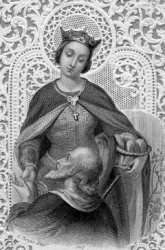
Princess, the daughter of King Andrew of Hungary. Great-aunt of Saint Elizabeth of Portugal. She married Prince Louis of Thuringa at age 13. Built a hospital at the foot of the mountain on which her castle stood; tended to the sick herself. Her family and courtiers opposed this, but she insisted she could only follow Christ's teachings, not theirs. Once when she was taking food to the poor and sick, Prince Louis stopped her and looked under her mantle to see what she was carrying; the food had been miraculously changed to roses. Upon the death of Louis, Elizabeth sold all that she had, and worked to support her four children. Her gifts of bread to the poor, and of a large gift of grain to a famine stricken Germany, led to her patronage of bakers and related fields.


Born

1207 at Presburg, Hungary


Died

• 1231 at Marburg, Germany of natural causes

• her relics, including her skull wearing a gold crown she had worn in life, are preserved at the convent of Saint Elizabeth in Vienna, Austria


Canonized

27 May 1235 by Pope Gregory IX at Perugia, Italy


Saint Hugh of Lincoln


Also known as

• Hugh of Avalon

• Hugh of Burgundy


Profile

Born to the nobility, the son of William, Lord of Avalon. His mother Anna died when he was eight, and he was raised and educated at a convent at Villard-Benoit in France. Monk at 15. Deacon at 19. Prior of a monastery at Saint-Maxim. Joined the Carthusians in 1160. Ordained in 1165. In 1175 he became abbot of the first English Carthusian monastery, which was built by King Henry II as part of his penance for the murder of Thomas Becket.


His reputation for holiness spread through England, and attracted many to the monastery. He admonished Henry for keeping dioceses vacant in order to keep their income for the throne. He resisted the appointment, but was made bishop of Lincoln on 21 September 1181. Restored clerical discipline in his see. Rebuilt the Lincoln cathedral, destroyed by earthquake in 1185.


Hugh denounced the mass persecution of Jews in England in 1190-91, repeatedly facing down armed mobs, making them release their victims. Diplomat to France for King John in 1199, a trip that ruined his health. While attending a national council in London a few months later, he was stricken with an unnamed ailment, and died two months later.


Born

1135 at Avalon Castle, Burgundy, France


Died

• 16 November 1200 at London, England of natural causes

• buried in the Lincoln Cathedral


Canonized

• 18 February 1220 by Pope Honorius III

• first canonized Carthusian


Saint Florinus of Remüs


Also known as

• Florinus of Chur

• Florinus of Finsgowe

• Florinus of Matsch

• Florinus of Mazia

• Florinus of Ramosch

• Florinus of Val Venosta

• Florinus of Vinschgau

• Florinus of Vnuost

• Florin, Florian


Additional Memorials

• 7 August (translation of relics to Chur, Switzerland)

• 18 December (translation of relics to the Trier, Germany)


Profile

Legend says that his father was a Saxon, his mother a Jew who converted to Christianity; the two met while they were both on pilgrimage to Rome, Italy, they married, and then settled in the Val Venosta in the Italian Tyrol region. Educated by Father Alexander at the parish of Saint Peter in Remüs (modern Ramosch), Switzerland; previous minister's there include Saint Othmar of Saint Gall. Ordained in Unterengadin, Switzerland, he served as the parish priest at Saint Peter's in Remüs, living like a hermit and caring for the poor. Miracle worker who turned water to wine which he then gave away to the poor.


Born

late 8th century Val Venosta, Italy


Died

• c.856 at Remüs (modern Ramosch), Switzerland of natural causes

• buried in the graveyard of the parish of Saint Peter in Remüs

• some relics enshrined in Koblenz, Germany in 950

• some relics enshrined in Regensburg, Germany


Saint Hilda of Whitby


Also known as

Hild of Whitby


Profile

Daughter of Hereric and Breguswith. Sister of Saint Hereswitha. Grand-niece of King Saint Edwin of Northumbria. Baptized in 627 at age thirteen by Saint Paulinus of York. Lived as a single lay woman until age 33 when she became a Benedictine nun at the monastery of Chelles in France. Abbess at Hartepool, Northumberland, England. Abbess of the double monastery of Whitby, Streaneshalch. Abbess to Saint Wilfrid of York, Saint John of Beverley, and three other bishops. Patroness and supporter of learning and culture, including the work of the poet Caedmon.


Hilda and her houses followed the Celtic liturgy and rule, but many houses had adopted the continental Benedictine rule, and the Roman liturgy. Hilda convened a conference in 664 to help settle one a single rule. When the conference settled on the Roman and Benedictine, they were adopted throughout England, and Hilda insured the observance of her houses.


Born

614 at Northumbria, England


Died

680 of natural causes


Saint Aignan of Orléans


Also known as

Agnan, Anian, Anianus


Profile

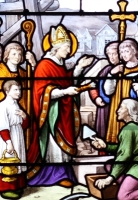
Born to the nobility, his parents were Hungarians who had fled to the Dauphine area of modern France to escape Arian persecutions. Lived as a hermit in a cave. Spiritual student of Saint Evurtius of Orléans. Priest. Monk. Abbot of the Saint Laurence Abbey in Orléans, France. Bishop of Orléans. Organized the defense of Orléans during the invasion of Attila the Hun, met with Attila and prevented him attacking the city in 451.


Born

358 at Vienne, France


Died

• 453 of natural causes

• in the 10th-century King Robert built a church in Orléans, France in Aignan's honour, and his relics were enshrined in it

• relics destroyed by Calvinists in the 16th century


Blessed Yosafat Kotsylovskyi


Also known as

• Josaphat Kocylovskyj

• Josaphat Kotsylovsky


Additional Memorial

27 June as one of the Martyrs Killed Under Communist Regimes in Eastern Europe


Profile

Greek Catholic. Studied theology in Rome, graduating in 1907. Ordained on 9 October 1907. Vice-rector and professor of theology at the Stanislaviv, Ukraine seminary. Entered the Basilian novitiate on 2 October 1911. Bishop of Premeshyl, Poland on 23 September 1917. Imprisoned for his faith by Polish authorities in September 1945. Died in prison. One of the Martyrs Killed Under Communist Regimes in Eastern Europe.


Born

3 March 1876 at Pakoshivka, Lemkiv District, Ukraine


Died

martyred on 17 November 1947 in prison in Kiev, Ukraine


Beatified

27 June 2001 by Pope John Paul II in Ukraine


Blessed Salomea of Galicia

அருளாளர்_சலோமியா (1211-1268)

நவம்பர் 17

இவர் (#Bl_Salomea_Of_Poland) போலந்து நாட்டைச் சார்ந்தவர். இவரது தந்தை போலந்தை ஆண்ட லஸ்ஜெக் என்பவர் ஆவார்.

ஒருசில அரசியல் காரணங்களுக்காக இவருக்கு மூன்றாம் வயதிலேயே அங்கேரி நாட்டு இளவரசரோடு மண ஒப்பந்தம் நடைபெற்று, ஏழாம் வயதில் திருமணம் நடைபெற்றது.

திருமணத்திற்கு பிறகு இவர் தனது கன்னிமையை கடவுளுக்கு ஒப்புக் கொடுத்து வாழ்ந்து வந்தார். 1245 ஆம் ஆண்டு இவரது கணவர் ஒரு போரில் இறந்துவிட, இவர் புனித கிளாரா சபையில் சேர்ந்து துறவியானார்.

துறவியான ஒரு சில ஆண்டுகளிலேயே இவருடைய எடுத்துக்காட்டாக வாழ்க்கையால் ஜவிசோஸ்ட் என்ற இடத்தில் இருந்த துறவுமடத்தின் தலைவியாக உயர்த்தப்பட்டார்.

இவ்வாறு இல்லறத்தில் தூய்மையாகவும், துறவறத்தில் எடுத்துக்காட்டாகவும் வாழ்ந்த இவர், 1268 ஆம் ஆண்டு இறையடி சேர்ந்தார். இவருக்கு 1673 ஆம் ஆண்டு திருத்தந்தை பத்தாம் கிளமெண்ட்டால் புனிதர் பட்டம் கொடுக்கப்பட்டது.

Also known as

• Salomea of Poland

• Salomea of Polonia

• Salome...


Profile

Born to the nobility. Married in her youth to Colomon, a prince of Hungary. Widowed, Salomea followed a call to religious life; she became a Franciscan Poor Clare nun, founded a monastery, and eventually serving as its abbess.


Born

13th century Galicia (in modern Poland)


Died

• 17 November 1268 near Cracow, Poland of natural causes

• relics enshrined in Cracow


Beatified

1673 by Pope Clement X (cultus confirmation)


Saint Gregory of Tours


Also known as

George Florentius


Profile

Born to the Gallic nobility; great-nephew of Saint Eustadius. Friend of Saint Magnericus and Saint Senoch. While on pilgrimage to the shrine of Saint Martin of Tours, his obvious piety led to his being chosen bishop of Tours, France in 573, taking the name Gregory on his ordination. An excellent bishop for 20 years; Pope Saint Gregory the Great thought highly of him. Historian and writer; his works are our best historical source for the Merovingian period.


Born

540 at Auvergne, France as George Florentius


Died

594 of natural causes


Saint Juan del Castillo Rodríguez


Profile


Saint Juan del Castillo Rodríguez was a Spanish Jesuit missionary who was martyred in Paraguay in 1628. He was born in Belmonte, Spain, on September 14, 1596. He joined the Society of Jesus in 1615 and was ordained a priest in 1626.


In 1627, Castillo was sent to Paraguay as a missionary. He arrived in Asunción, the capital of Paraguay, in early 1628. He quickly began working with the indigenous people of the region, teaching them about Christianity and helping them to build their communities.


In November 1628, Castillo and two other Jesuits, Roc González and Alonso Rodríguez, were captured by a group of Guaraní warriors who were hostile to the Spanish. The warriors took the three Jesuits to a remote village and held them prisoner.


The Guaraní warriors demanded that the Jesuits renounce their faith. Castillo and his companions refused, and they were tortured and killed. Castillo was beheaded on November 17, 1628.


Born

14 September 1595 in Belmonte, Cuenca, Spain


Died

stoned to death on 17 November 1628 in Ijuí, Rio Grande do Sul, Paraguay (in modern Brazil)


Canonized

16 May 1988 by Pope John Paul II


Saint Giacinto Ansalone


Also known as

• Giordano Ansaloni

• Giordano of Saint Stephen

• Hyacinth Jordan Ansalone

Profile

Dominican priest. Studying in Palermo, Italy and Salamanca, Spain. Missionary to Mexico, the Philippines and Japan. As he travelled, he wrote a book on the lives of Dominican saints. Martyr.


Born

1 November 1598 in San Stefano Quisquina, Agrigento, Italy


Died

17 November 1634 in Nishizaka, Nagasaki, Japan


Canonized

18 October 1987 by Pope John Paul II


Saint Lazarus Zographos


Also known as

• Lazarus the Painter

• Lazarus of Constantinople

• Lazzaro...


Profile

Monk at Constantinople. Skilled painter of icons. Opposed the Iconoclasts under emperor Theophilus. He defended sacred images, and restored those that were defaced by Iconoclasts. For his work he was arrested and tortured. When the Iconoclasts fell from power, Lazarus was released and given a prominent place in the new regime, eventually becoming ambassador to Rome.


Died

867 of natural causes


Saint Acisclus


Also known as

Aciscle, Acisclo, Ascylus, Iscle, Ocysellus


Profile

Brother of Saint Victoria of Cordoba. Martyred in the persecutions of Diocletian. After their deaths, their home was turned into a church. They have an office in the Mozabic Liturgy, and devotion to them is widespread throughout Spain and France.


Born

at Cordoba, Spain


Died

beheaded in 304


Blessed Sébastien-Loup Hunot


Profile

Priest in the Archdiocese of Sens, France. Imprisoned on a ship in the harbor of Rochefort, France and left to die during the anti-Catholic persecutions of the French Revolution. One of the Martyrs of the Hulks of Rochefort.


Born

7 August 1745 in Brienon-l'Archevêque, Yonne, France


Died

17 November 1794 aboard the prison ship Washington, in Rochefort, Charente-Maritime, France


Beatified

1 October 1995 by Pope John Paul II


Saint Victoria of Cordoba


Profile

Sister of Saint Acisclus. Martyred in the persecutions of Diocletian. After their deaths, their home was turned into a church. They have an office in the Mozabic Liturgy, and devotion to them is widespread throughout Spain and France.


Born

at Cordoba, Spain


Died

shot with arrows in 304


Saint Thomas Hioji Nishi Rokuzaemon


Also known as

Father Thomas of Saint Hyacinth


Profile

Dominican missionary priest, first Formosa and then Japan. Tortured and martyred in the persecutions of Tokugawa Yemitsu.


Born

1590 in Hirado, Nagasaki, Japan


Died

17 November 1634 in Nishizaka, Nagasaki, Japan


Canonized

18 October 1987 by Pope John Paul II


Saint Hugh of Novara


Also known as

• Hugo of Nucaria

• Hugo of Noaria

• Ugo, Hugh


Additional Memorial

16 August in Novara, Sicily


Profile

Cistercian Benedictine monk. Spiritual student of Saint Bernard of Clairvaux. Served as first abbot at the abbey in Novara, Sicily.


Born

French


Died

c.1170 of natural causes


Saint Eugene of Florence


Profile

Spiritual student of Saint Ambrose of Milan. Deacon in Florence, Italy, working with Saint Zenobius of Florence.


Died

422


Saint Namasius of Vienne


Also known as

Naamat, Namaise, Namacio, Namat, Namatius


Profile

Saint Namasius (also called Saint Domnus) was the Bishop of Vienne, France, from 471 to 480 AD. He is venerated as a saint by the Catholic Church, and his feast day is celebrated on November 17.


Namasius was born into a noble family in Gaul. He was educated in the Christian faith and was ordained a priest at a young age. He quickly gained a reputation for his piety and his learning.


In 471 AD, Namasius was elected Bishop of Vienne. He was a wise and compassionate pastor, and he was known for his care for the poor and the sick. He was also a strong defender of the Catholic faith.


During Namasius's time as bishop, the Arian heresy was spreading throughout Gaul. Arianism was a heresy that denied the divinity of Jesus Christ. Namasius was a staunch opponent of Arianism, and he worked tirelessly to combat it.


Namasius died in 480 AD. He is remembered as a holy and humble bishop who was a devoted servant of God.

Died

c.599


Saint Zacchaeus of Palestine

Saint Zacchaeus of Palestine was a chief tax collector in Jericho, mentioned in the Gospel of Luke. He is known for his conversion to Christianity and his generosity after encountering Jesus.

According to the Gospel of Luke, Zacchaeus was short in stature and was unable to see Jesus as he passed through Jericho. To get a better view, Zacchaeus climbed a sycamore tree. When Jesus approached the tree, he looked up at Zacchaeus and invited him to come down, saying that he would stay at Zacchaeus's house that night.

Zacchaeus was surprised and honored by Jesus's invitation. He welcomed Jesus into his home and promised to give half of his possessions to the poor and to repay anyone he had cheated four times as much.

Jesus commended Zacchaeus's conversion and said that salvation had come to his house. Zacchaeus is remembered as an example of repentance and generosity.

Died

beheaded c.302 in Palestine


Saint Alphaeus of Palestine

Saint Alphaeus of Palestine was a Christian martyr who was put to death in Caesarea Maritima, Palestine, in 303 or 304 AD, according to church historian Eusebius in his Martyrs of Palestine. He is commemorated on November 18.

Alphaeus was a lector (reader) in the church of Caesarea. He was a cousin of Zacchaeus, a deacon of the church in Gadara. During the persecution of Diocletian, many Christians in Caesarea and its surroundings, faced with the choice of their religious principles or death, were crowding into the city to perform sacrifices to the gods. When Alphaeus saw this, he loudly and publicly denounced their apostasy. Whereupon he was brought before the judges, ordered to sacrifice, but refused, making defiant statements of his faith.

As a result of his refusal to recant his faith, Alphaeus was tortured and beheaded, along with many other Christians. He is venerated as a saint by the Catholic Church and the Eastern Orthodox Church. His feast day is celebrated on November 18.

Died

beheaded c.302 in Palestine


Martyred in the Spanish Civil War


• Blessed Eusebio Roldán Vielva

• Blessed Josefa Gironés Arteta

• Blessed Lorenza Díaz Bolaños

15 நவம்பர் 2025

இன்றைய புனிதர்கள் நவம்பர் 16

 St. Hugh of Lincoln


Born c. 1135–1140

Avalon, Dauphiné,

Holy Roman Empire

Died 16 November 1200

(aged 60-65)

London, England

Venerated in Roman Catholic Church

Anglican Communion

Canonized 17 February 1220 by Pope Honorius III

Major shrine St Mary's Cathedral

Lincoln, England Parkminster Charterhouse

West Sussex

Feast 16 November (Catholic Church)

17 November (Church of England)

Attributes a white swan

Patronage sick children, sick people, shoemakers and swans


Image of St. Hugh of LincolnAs a Carthusian monk of the Grande Chartreuse, near Grenoble, France, Hugh observed the rule of his order with exceptional fidelity. He also manifested a touching affection for the squirrels and birds that frequented the small garden adjoining his monastic cell. Hugh was subsequently sent to England to govern a new Carthusian monastery at Witham. In 1186 he was chosen to become bishop of the English diocese of Lincoln. He showed himself a faithful pastor while continuing the deep spiritual life he had developed as a Carthusian. Every Saturday, he went to confession and celebrated a votive Mass in honor of the Blessed Virgin Mary. He was fastidious in the faithful celebration of the Divine Office, immediately leaving whatever he was doing when the time came to begin the office. On one occasion when a fellow bishop wanted to hurry the celebration of Mass in order to be on time for a meeting with the English king, Hugh insisted upon celebrating it in the usual manner, with the accustomed chanting. He told the other bishop: "We must do homage first to the King of kings. No secular employment can dispense us from what we owe to him."

Not to be confused with Little Saint Hugh of Lincoln.

Hugh of Lincoln (c. 1135–1140 – 16 November 1200), also known as Hugh of Avalon, was a French-born Benedictine and Carthusian monk, bishop of Lincoln in the Kingdom of England, and Catholic saint. His feast is observed by Catholics on 16 November and by Anglicans on 17 November.


Life

Hugh was born at the château of Avalon,[1] at the border of the Dauphiné with Savoy, the son of Guillaume, seigneur of Avalon. His mother Anne de Theys died when he was eight, and because his father was a soldier, he went to a boarding school for his education.[2] Guillaume retired from the world to the Augustinian monastery of Villard-Benoît, near Grenoble, and took his son Hugh, with him.[3]


At the age of fifteen, Hugh became a religious novice and was ordained a deacon at the age of nineteen. About 1159, he was sent to be prior of the nearby monastery at Saint-Maximin, presumably already a priest. From that community, he left the Benedictine Order and entered the Grande Chartreuse,[1] then at the height of its reputation for the rigid austerity of its rules and the earnest piety of its members. There he rose to become procurator of his new Order, in which office he served until he was sent in 1179 to become prior of the Witham Charterhouse in Somerset, the first Carthusian house in England.[1]


Henry II of England, as part of his penance for the murder of Thomas Becket, in lieu of going on crusade as he had promised in his first remorse, had established a Carthusian charterhouse sometime before, which was settled by monks brought from the Grande Chartreuse. There were difficulties in advancing the building works, however, and the first prior was retired and a second soon died. It was by the special request of the English king that Hugh, whose fame had reached him through one of the nobles of Maurienne, was made prior.[3]


Hugh found the monks in dire straits, living in log huts and with no plans yet advanced for the more permanent monastery building. Hugh interceded with the king for royal patronage and at last, probably on 6 January 1182, Henry issued a charter of foundation and endowment for Witham Charterhouse. His first attention was given to the building of the Charterhouse. He prepared his plans and submitted them for royal approbation, exacting full compensation from the king for any tenants on the royal estate who would have to be evicted to make room for the building.[3] Hugh presided over the new house till 1186 and attracted many to the community. Among the frequent visitors was King Henry, for the charterhouse lay near the borders of the king's chase in Selwood Forest, a favourite hunting ground. Hugh admonished Henry for keeping dioceses vacant in order to keep their income for the royal chancellery.


In May 1186, Henry summoned a council of bishops and barons at Eynsham Abbey to deliberate on the state of the Church and the filling of vacant bishoprics, including Lincoln. On 25 May 1186 the cathedral chapter of Lincoln was ordered to elect a new bishop and Hugh was elected.[1] Hugh insisted on a second, private election by the canons, securely in their chapterhouse at Lincoln rather than in the king's chapel. His election was confirmed by the result.


Hugh was consecrated Bishop of Lincoln on 21 September 1186[4] at Westminster.[1] Almost immediately he established his independence of the King, excommunicating a royal forester and refusing to seat one of Henry's courtly nominees as a prebendary of Lincoln; he softened the king's anger by his diplomatic address and tactful charm. After the excommunications, he came upon the king hunting and was greeted with dour silence. He waited several minutes and the king called for a needle to sew up a leather bandage on his finger. Eventually Hugh said, with gentle mockery, "How much you remind me of your cousins of Falaise" (where William I's unmarried mother Herleva, a tanner's daughter, had come from). At this Henry just burst out laughing and was reconciled. As a bishop, he was exemplary, constantly in residence or travelling within his diocese, generous with his charity, and scrupulous in the appointments he made. He raised the quality of education at the cathedral school. Hugh was also prominent in trying to protect the Jews, great numbers of whom lived in Lincoln, in the persecution they suffered at the beginning of Richard I's reign, and he put down popular violence against them – as later occurred following the death of Little Saint Hugh of Lincoln – in several places.


A plan of Lincoln Cathedral drawn by G Dehio (died 1932)

Lincoln Cathedral had been badly damaged by an earthquake in 1185, and Hugh set about rebuilding and greatly enlarging it in the new Gothic style; however, he only lived to see the choir well begun. In 1194, he expanded the St Mary Magdalen's Church, Oxford. Along with Bishop Herbert of Salisbury, Hugh resisted the king's demand for 300 knights for a year's service in his French wars; the entire revenue of both men's offices was then seized by royal agents.[5]


As one of the premier bishops of the Kingdom of England Hugh more than once accepted the role of diplomat to France for Richard and then for King John in 1199, a trip that ruined his health. He consecrated St Giles' Church, Oxford, in 1200. There is a cross consisting of interlaced circles cut into the western column of the tower that is believed to commemorate this. Also in commemoration of the consecration, St Giles' Fair was established and continues to this day each September.[6] While attending a national council in London, a few months later, he was stricken with an unnamed ailment and died two months later on 16 November 1200.[4] He was buried in Lincoln Cathedral.


Bishop Hugh was responsible for the building of the first (wooden) Bishop's Palace at Buckden in Huntingdonshire, halfway between Lincoln and London. Later additions to the Palace were more substantial and a tall brick tower was added in 1475, protected by walls and a moat, and surrounded by an outer bailey. It was used by the bishops until 1842. The Palace, now known as Buckden Towers, is owned by the Claretians and is used as a retreat and conference centre. A Catholic church, dedicated to St Hugh, is located on the site.


Veneration


Tour d'Avalon, Saint-Maximin, Isère, marking St Hugh's birthplace

Hugh was canonised by Pope Honorius III on 17 February 1220,[1] and is the patron saint of sick children, sick people, shoemakers and swans. Hugh is honoured in the Church of England with a Lesser Festival[7] and in the Episcopal Church (USA) on 17 November.


Hugh's Vita, or written life, was composed by his chaplain Adam of Eynsham, a Benedictine monk and his constant associate; it remains in manuscript form in the Bodleian Library in Oxford.


Hugh is the eponym of St Hugh's College, Oxford, where a 1926 statue of the saint stands on the stairs of the Howard Piper Library. In his right hand, he holds an effigy of Lincoln Cathedral, and his left hand rests on the head of a swan.


At Avalon, a round tower in the Romantic Gothic style was built by the Carthusians in 1895 in Hugh's honour on the site of the castle where he was born.[8]


Iconography

Hugh's primary emblem is a white swan, in reference to the story of the swan of Stow, Lincolnshire (site of a palace of the bishops of Lincoln) which had a deep and lasting friendship with the saint, even guarding him while he slept. The swan would follow him about, and was his constant companion while he was at Lincoln. Hugh loved all the animals in the monastery gardens, especially a wild swan that would eat from his hand and follow him about, and yet the swan would attack anyone else who came near Hugh.[2]


Legacy

Both Buckden Towers, and the local Roman Catholic Church in nearby St Neots, are administered by the Claretians.[9] In Lincoln, there is the Roman Catholic St Hugh's Church. There are many parish churches dedicated to St Hugh of Lincoln throughout England including the Church of St Hugh of Lincoln in Letchworth founded by Adrian Fortescue.


A number of churches are dedicated to St Hugh of Lincoln in the United States, including: Episcopal Churches in Elgin, Illinois;[10] and Allyn, Washington;[11] St Hugh of Lincoln Roman Catholic Church, Huntington Station, New York[2] and St Hugh of Lincoln Roman Catholic Church in Milwaukee, Wisconsin,[12] St Hugh Roman Catholic Church and School in Coconut Grove, Miami, Florida.[13]


In 2018 St Hugh was made a subject of the BBC Radio 4 drama The Man who bit Mary Magdalene by Colin Bytheway, starring David Jason as the bishop in search of relics that would help in the construction of Lincoln Cathedral.


St. Rufinus


Feastday: November 16

Death: unknown


With Mark, Valerius, and companions, a group of African martyrs put to death a some time during the persecutions by the Roman Empire.


St. Joseph Moscati


Born 25 July 1880

Benevento, Italy

Died 12 April 1927 (aged 46)

Naples, Italy

Venerated in Catholic Church

Beatified 16 November 1975, Saint Peter's Square, Vatican City by Pope Paul VI

Canonized 25 October 1987, Saint Peter's Square, Vatican City by Pope John Paul II

Major shrine Gesù Nuovo Church, Naples, Italy

Feast 16 November

Attributes White coat

Stethoscope

Cross

Patronage Biochemistry

Bachelors

Doctors

Physicians

People rejected by Religious Orders[1


Celebrated physician of Naples, Italy, noted for medical research. Joseph gave his wages and skills to caring for the sick and the poor and was a model of piety and faith. He was beatified in 1975 and canonized in 1987.


Giuseppe Moscati (25 July 1880 – 12 April 1927) was an Italian doctor, scientific researcher, and university professor noted both for his pioneering work in biochemistry and for his piety.[2] Moscati was canonized by the Catholic Church in 1987; his feast day is 16 November

Plaque in memory of Giuseppe Moscati affixed to the building in which he lived in Naples

Moscati remained true to his faith his entire life, taking a vow of chastity and practicing charity in his daily work. He viewed his practice of medical science as a way of alleviating suffering, not as a way of making profits, and would retire regularly for prayer.[6] He also attended Mass daily, and would sometimes use a patient's faith, as well as the sacraments, in his treatments.[7] Moscati also refused to charge the poor for their treatment, and was known to sometimes send a patient home with a prescription and a 50-lira note in an envelope.[2]


It was claimed even before his death that Moscati was a miracle-worker; some said that he could accurately diagnose and prescribe for any patient merely by hearing a list of his symptoms, and that he was responsible for impossible cures.[7] Reports of his good works continued well after his death, with further reports that he interceded in impossible cases. Consequently, he was beatified by Pope Paul VI on behalf of the Roman Catholic Church on 16 November 1975.[8] Moscati was canonized on 25 October 1987, by Pope John Paul II. His canonization miracle involved the case of a young ironworker dying of leukemia. The young man's mother dreamed of a doctor wearing a white coat, whom she identified as Moscati when shown a photograph. Not long after this, her son went into remission and returned to work.[2]

Moscati was the first modern doctor to be canonized; his feast day is 16 November.


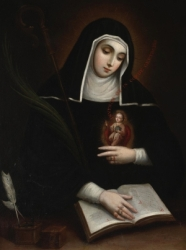
Saint Gertrude the Great

 புனிதர் மகா கெர்ட்ரூட் 

கன்னியர்/ ஆத்ம பலம் கொண்டவர்/ இறையியலாளர்:

பிறப்பு: ஜனவரி 6, 1256

எய்ஸ்ல்பென், துரிங்கியா, தூய ரோமப் பேரரசு

இறப்பு: கி.பி. 1302

ஹெல்ஃப்டா, சேக்சொனி, தூய ரோமப் பேரரசு

ஏற்கும் சமயம்:

ரோமன் கத்தோலிக்க திருச்சபை

புனிதர் பட்டம்: கி.பி. 1677

திருத்தந்தை பன்னிரெண்டாம் கிளமென்ட்

நினைவுத் திருநாள்: நவம்பர் 16

பாதுகாவல்: மேற்கிந்திய தீவுகள் (West Indies)

“புனிதர் மகா கெர்ட்ரூட்” (St. Gertrude the Great), ஒரு “ஜெர்மன் பெனடிக்டைன்” (German Benedictine) சபையின் அருட்கன்னியும், மறைபொருளாளரும், இறையியலாளருமாவார்.

இவரது ஆரம்ப கால வாழ்க்கையைப் பற்றி சிறிதளவே அறியப்படுகிறது. கி.பி. 1256ம் ஆண்டு, ஜனவரி மாதம், ஆறாம் நாள், தூய ரோமப் பேரரசின் கீழுள்ள “துரிங்கியாவின்” (Thuringia) “எய்ஸ்ல்பென்” (Eisleben) எனுமிடத்தில் பிறந்த இவர், தமது நான்கு வயதில் “தூய மரியாளின் துறவு மடத்தின்” (Monastery of St. Mary) பள்ளியில் சேர்ந்து கல்வி கற்றார். இத்துறவு மேடம், “பெனடிக்டைன்” அல்லது “சிஸ்டேர்ஸியன்” (Benedictine or Cistercian) என்று அறியப்படுகிறது. இவர் சிறு வயதிலேயே, தமது பக்தியுள்ள பெற்றோரால் ஆலயத்திற்கு நேர்ந்தளிக்கப்பட்டார் என்று யூகிக்கப்படுகிறது. இவரது குழந்தைப் பருவத்திலேயே இவரது பெற்றோர் மரித்துவிட்டதாயும், இவர் ஒரு அனாதையாகவே மடாலய பள்ளியில் சேர்ந்ததையும் அறிய முடிகிறது.

கி.பி. 1266ம் ஆண்டு, தமது பத்து வயதில் துறவற சமூகத்தில் இணைந்தார். அவர் பல்வேறு துறைகளில் முழுமையான கல்வி பெற்றார் என்பது அவரது எழுத்துக்களிலேயே தெளிவாகிறது. 

கி.பி. 1281ம் ஆண்டு, தமது இருபத்தைந்தாம் வயதில், முதன்முதலாக தொடர் திருக்காட்சிகளை கண்டார். அவரது வாழ்நாள் முழுதும் தொடர்ந்த இவை, அவரது வாழ்வின் போக்கையும் மாற்றியது. அவருடைய முன்னுரிமைகள் மதச்சார்பற்ற அறிவிலிருந்து விலகி, வேதாகமம் மற்றும் இறையியல் பற்றிய ஆய்வுக்கு மாறின. தனிப்பட்ட ஜெபம் மற்றும் தியானத்திற்கு தம்மை தீவிரமாக அர்ப்பணித்துக்கொண்ட கெர்ட்ரூட், தமது துறவற சகோதரியரின் நன்மைகளுக்காக, ஆன்மீக உபதேசங்கள் எழுத ஆரம்பித்தார். பதின்மூன்றாம் நூற்றாண்டின் பெரும் உள்ளுணர்வுவாதிகளில் ஒருவரானார்.

கி.பி. 1302ம் ஆண்டு, தூய ரோமப் பேரரசிலுள்ள, “எய்ஸ்ல்பென்” (Eisleben), “சேக்சொனி” (Saxony) அருகிலுள்ள “ஹெல்ஃப்டா” (Helfta) எனுமிடத்தில் கெர்ட்ரூட் மரித்தார். இவர் மரித்த சரியான தேதி பற்றிய தகவல்கள் இல்லை.

Also known as

• Gertrude of Helfta

• Gertrudis Helfta

• Gertud von Helfta

• Geltrude

• Gertrudis la Grande

• Gertrude Magna


Profile

We don't know who her parents were or what became of them, and she may have been an orphan. Gertrude was raised in the Benedictine abbey of Saint Mary of Helfta, Eisleben, Saxony from age five. An extremely bright and dedicated student, she excelled in literature and philosophy, and when she was old enough, became a Benedictine nun. At age 26, when she had become too enamored of philosophy, she received a vision of Christ who reproached her; from then on she studied the Bible and the works of the Church Fathers. Gertrude received other visions and mystical instruction, which formed the basis of her writings. She helped spread devotion to the Sacred Heart of Jesus. Her writings have been greatly praised by Saint Teresa and Saint Francis de Sales, and continue in print today.


Born

6 January 1256 at Eisleben, Thuringia (part of modern Germany)


Died

• on a Wednesday of Easter season, 17 November 1302 at the convent of Saint Mary's of Helfta, Saxony (part of modern Germany) of natural causes

• relics in the old monastery of Helfta


Canonized

received equipotent canonization, and a was universal feast day declared in 1677 by Pope Clement XII


Saint Edmund Rich


Also known as

• Edmund of Abingdon

• Edmund of Canterbury

• Edme, Eadmund


Profile

Born to a wealthy and pious family, the son of Reinald and Mabel Rich; his father retired to become a monk, his two sisters became nuns. Studied at Oxford, England, and Paris, France. At Oxford he received a vision of the Child Christ. Priest. Professor of art, mathematics, philosophy and theology at Oxford. Known for his scholarship, piety, and skill as a preacher and writer. Canon of Salisbury, England in 1222. Preached the Sixth Crusade in England in 1227. Consecrated Archbishop of Canterbury, England on 2 April 1234. Advisor to King Henry III. Presided over Henry's ratification of the Magna Carta in 1237. Assisted in his public dealings by Saint Richard of Chichester. Prevented civil war in Wales. His support for monastic discipline put him in conflict with his own order, King Henry III, and the papal legate. He died while on a trip to Rome to gain the support of the Pope.


Born

20 November 1175 at Abingdon, Berkshire, England


Died

• 16 November 1240 at Soissy, Burgundy, France of natural causes

• interred at Pontigny, France

• shrine behind the high altar in the Cistercian abbey at Pontigny


Canonized

1247 by Pope Innocent IV


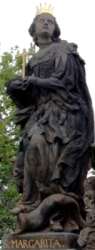
Saint Margaret of Scotland

 ஸ்காட்லாந்து நாட்டின் புனிதர் மார்கரெட் 

ஸ்காட்லாந்து அரசி:

பிறப்பு: கி.பி. 1045

ஹங்கேரி அரசு

இறப்பு: நவம்பர் 16, 1093 

எடின்பர்க், ஸ்காட்லாந்து அரசு

ஏற்கும் சமயம்:

ரோமன் கத்தோலிக்க திருச்சபை

ஆங்கிலிக்கன் சமூகம்

புனிதர் பட்டம்: 1250

திருத்தந்தை நான்காம் இன்னொசென்ட்

முக்கிய திருத்தலம்:

டுன்ஃபெர்ம்லின் மடம், ஃபிஃப், ஸ்காட்லாந்து

நினைவுத் திருவிழா: நவம்பர் 16

பாதுகாவல்: 

ஸ்காட்லாந்து (Scotland), டுன்ஃபெர்ம்லின் (Dunfermline), ஃபிஃப் (Fife), ஷெட்லேண்ட் (Shetland), அரசியின் பயணப்படகு (The Queen's Ferry), ஆங்கிலோ-ஸ்காட்டிஷ் உறவுகள் (Anglo-Scottish relations)

ஸ்காட்லாந்து நாட்டின் புனிதர் மார்கரெட், “ஆங்கிலேய இளவரசர் எட்வர்ட்” (English prince Edward the Exile) மற்றும் “அகதா” (Agatha) ஆகியோரின் மகள் ஆவார். ஆங்கிலேய இளவரசியும் (English princess), ஸ்காட்டிஷ் அரசியுமான (Scottish queen) இவர், “ஸ்காட்லாந்தின் மார்கரெட்” (Margaret of Scotland) என்றும், “வெஸ்செக்ஸின்’ மார்கரெட்” (Margaret of Wessex) என்றும் அறியப்படுகிறார். சில சமயம், “ஸ்காட்லாந்தின் முத்து” (The Pearl of Scotland) என்றும் அழைக்கப்படுகிறார்.

ஹங்கேரி அரசில் பிறந்த இவரும் இவரது குடும்பத்தினரும் 1057ம் ஆண்டு, இங்கிலாந்து இராச்சியத்துக்குத் திரும்பினார்கள். மார்கரெட் 1057ம் ஆண்டிலிருந்து தன் மாமாவின் கண்காணிப்பில் இங்கிலாந்தில் வளர்ந்தார். 1066ம் ஆண்டு “நார்மன்” இங்கிலாந்தை வெற்றி கொண்டதும், (Norman conquest of England) இவரின் 20ம் வயதில் ஸ்காட்லாந்திற்கு திரும்பிச் சென்றார். அங்கே, 1070ம் ஆண்டின் இறுதியில், ஸ்காட்லாந்தின் அரசர் 3ம் மால்கோம் (King Malcolm III of Scotland) என்பவரிடம் பழகி, பின்னர் அவரையே திருமணம் செய்து, ஸ்காட்லாந்தின் அரசியானார். அவருடைய கணவர், அவரை கிறிஸ்தவ மறையை தழுவக்கூடாது என்று கட்டளையிட்டார். ஆனால் அவர் தன் கணவரின் பேச்சை மறுத்து, மேலும் தன் கிறிஸ்தவ விசுவாசத்தில் வேரூன்றி இருந்தார்.

பக்தியுள்ள பெண்ணான அரசி, ஏழை மக்களின் வாழ்வில் அதிக அக்கறை கொண்டு வாழ்ந்தார். அவர்களுக்கு பலவிதங்களில் உதவினார். ஏழைகளை தன் இதயத்தில் சுமந்து உதவினார். தான் ஓர் அரசியாக இருந்தபோதும், துறவிகளைப் போலவே, ஏழ்மையான வாழ்வை வாழ்ந்தார். தவறாமல் நோன்பிருந்து செபித்து பல நலன்களை பெற்றார். பலவிதங்களிலும் ஒறுத்தல் செய்து வாழ்ந்தார். அநேக தொண்டு பணிகளைச் செய்தார்.

இங்கிலாந்துக்கு எதிராக நடந்த ஒரு போரில் (Battle of Alnwick) கலந்துகொள்ள சென்ற இவரது கணவரான அரசர் “மூன்றாம் மால்கானு'ம்” (Malcolm III) அவரது இருபத்தியிரண்டே வயதான மூத்த மகன் “எட்வர்டும்” (Edward) 13 நவம்பர் 1093 அன்று கொல்லப்பட்டனர். ஐம்பது வயதுகூட பூர்த்தியாகாத மார்கரெட் ஏற்கனவே தொடர் நோன்பு மற்றும் ஒருத்தல்களினால் பலவீனமாக இருந்தார். தமது கணவரும் மூத்த மகனும் மரித்துப் போன செய்தியைக் செவியுற்ற அவர், மூன்றாம் நாளே (1093ம் ஆண்டு, நவம்பர் மாதம், 16ம் நாள்) மரித்தார். 1250ம் ஆண்டு, திருத்தந்தை “நான்காம் இன்னசன்ட்” (Pope Innocent IV) இவருக்கு புனிதர் பட்டம் வழங்கினார்.

Also known as

Margaret of Wessex


Additional Memorial

16 June in Scotland


Profile

Granddaughter of King Edmund Ironside of England. Great-niece of Saint Stephen of Hungary. Born in Hungary while her family was in exile due to the Danish invasion of England, she still spent much of her youth in the British Isles. While fleeing the invading army of William the Conqueror in 1066, her family's ship wrecked on the Scottish coast. They were assisted by King Malcolm III Canmore of Scotland, whom Margaret married in 1070. Queen of Scotland. They had eight children including Saint Maud, wife of Henry I, and Saint David of Scotland. Margaret founded abbeys and used her position to work for justice and improved conditions for the poor.


Born

c.1045 in Hungary


Died

• 16 November 1093 at Edinburgh Castle, Scotland, four days after her husband and son died in defense of the castle

• buried in front of the high altar at Dunfermline, Scotland

• relics later removed to a nearby shrine

• the bulk of her relics were destroyed in stages during the Protestant Reformation and the French Revolution


Canonized

1251 by Pope Innocent IV


Blessed Agnes of Assisi

அசிசி_நகர்ப்_புனித_ஆக்னஸ் (1197-1253)

நவம்பர் 15

அசிசி நகரைச் சார்ந்தவரான இவர் (#St_Agnes_Of_Assisi), புனித கிளாராவின் இளைய சகோதரி.

இவருக்குப் பதினைந்து வயது நடக்கும்போது, எல்லாவற்றையும் துறந்துவிட்டு தன் சகோதரியின் சபையில் சேர்ந்து, அவரைப் போன்று கற்பு, ஏழ்மை, கீழ்ப்படிதல் ஆகியவற்றைக் கடைப்பிடித்து வாழத் தொடங்கினார். 

இதற்கு இவருடைய உறவினர்களிடமிருந்தும் பெற்றோரிடமிருந்தும் கடுமையான எதிர்ப்பு வந்தது. ஆனாலும் இவர் தன்னுடைய முடிவில் மிக உறுதியாக இருந்ததால், அவர்களால் இவரை ஒன்றும் செய்ய முடியவில்லை.

இதற்குப் பிறகு 1219 ஆம் ஆண்டு, அசிசி நகர்ப் புனித பிரான்சிஸ் இவரை மோன்டிசெல்லி( Monticelli) எந்த இடத்தில் இருந்த துறவுமடத்தில்  தலைவியாக நியமித்தார். அங்கு இவர் தன்னுடைய எடுத்துக்காட்டான வாழ்வால் பலருக்கும் முன் மாதிரியாக இருந்தார்.

இவர் தன்னுடைய கடின உழைப்பால் வெனிஸ், பாதுவா ஆகிய இடங்களில் துறவு மடங்களை நிறுவி, கிறிஸ்துவைப் பற்றிய நற்செய்தி பல இடங்களிலும் பரவக் காரணமாக இருந்தார்.

மேலும் இவர் தன் சகோதரி கிளாராவின் கடைசிக் காலத்தில் அவரோடு இருந்து, அவருக்குப் பேருதவி செய்தார். அவர் இறந்த அடுத்த மூன்றாவது மாதத்தில், அதாவது 1253 ஆம் ஆண்டு நவம்பர் திங்கள் பதினாறாம் நாள் இவர்  இறையடி சேர்ந்தார்.

Profile

Daughter of Count Favorino Scifi and Blessed Hortulana, she was raised in a series of castles in and around Assisi, Italy. Younger sister of Saint Clare of Assisi, and her first follower, leaving home two weeks after Clare to join the Benedictines at San Angelo di Panzo at age fifteen. The family tried to bring Agnes back by force, dragging her from the monastery, but her body became so heavy that several knights could not budge her. Her uncle Monaldo tried to beat her, but was temporarily paralyzed. The family then left Agnes and Clare in peace.


In 1221 a group of Benedictine nuns in Monticelli asked to become Poor Clares, and Saint Francis assigned Agnes as their abbess. Agnes wrote about how much she missed Clare and the other nuns at San Damiano, and after establishing other Poor Clare monasteries in northern Italy, Agnes was recalled in 1253 when Clare was dying. Agnes followed Clare in death three months later.


Born

1197 at Assisi, Italy


Died

• 16 November 1253 at the monastery of San Damiano of natural causes

• buried in the Santa Chiara church, Assisi, Italy

• miracles reported at her tomb


Beatified

1753 by Pope Benedict XIV (cultus confirmed)


Saint Othmar of Saint Gall


Also known as

Audemar, Audomar, Otmar


Profile

Educated in the ancient provice Rhaetia, an area in modern Switzerland and Germany. Priest. Presided over a church of Saint Florinus in Rhaetia, probably the same church where Saint Florinus worked and was buried. Appointed abbot at Saint Gall, Switzerland in 720, and united the area monks into a monastery under the rule of Saint Columban. As abbot, he added a hospital and school, and changed the monastery's rule to Benedictine. Legend says that when Othmar fed the poor from a barrel of provisions, it never became empty, no matter how much he took from it.


In 759, Counts Warin and Ruodhart unjustly tried to gain possession of property belonging to the abbey. Othmar resisted, they imprisoned him at the castle of Bodmann, then on the island of Werd-on-the-Rhine where he died. His cultus spread soon after his death, and he is now one of the most popular saints in Switzerland.


Died

• 16 November 759 at Werd-on-the-Rhine, near Echnez, Switzerland

• body transferred to monastery of Saint Gall in 769

• body entombed in the church of Saint Othmar at Saint Gall in 867


Saint Afan of Wales


Also known as

Avan, Avanus


Profile

Bishop. Nothing else is known about him for certain; various writers have made him a descendant of the 3rd century Cynedda Wledig, King of Britain, a cousin of 6th century Saint David of Wales, and the 10th century bishop Jeuan who was killed by Viking invaders, but no one today knows for sure.


The church dedicated to him at Lanafan Fawr, Powys, Wales was apparently a site of pilgrimages in times past, and site of at least one miracle. The English Lord Philip de Braose came to the area to hunt, and decided that the church was the best lodging for him and his dogs. When he woke at sunrise, his dogs had gone mad and he was blind. His sight was only restored by making his willingness to fight in the Crusades.


Died

entombed in the churchyard of Saint Afan's Church, Lanafan Fawr, Powys, Wales


Blessed Edward Osbaldeston


Additional Memorials

• 22 November as one of the Martyrs of England, Scotland and Wales

• 29 October as one of the Martyrs of Douai


Profile

Son of Thomas Osbaldeston. Studied at the English College in Douai, France, and then at the seminary in Rheims, France. Ordained on 21 September 1585. On 27 April 1589 he returned to England to minister to covert Catholics. Had a great devotion to Saint Jerome. Betrayed by Thomas Clark, an apostate priest, he was arrested at an inn in Tollerton, Yorkshire on 30 September 1594. Tried for high treason by reason of being a priest, he was quicklly condemned. Martyr.


Born

c.1560 in Osbaldeston, Lancashire, England


Died

hanged, drawn and quartered on 16 November 1594 at York, North Yorkshire, England


Beatified

22 November 1987 by Pope John Paul II


Blessed Simeon of Cava


Also known as

Symeon


Profile

Fourth abbot of the abbey of Cava dei Tirreni in Campania, Italy. Elected in 1124, he served for 16 years of great political turmoil between state and Church; his rule was noted for his concern for the local laity under the abbey's protection, and for the works of the monks he sent out to reform other houses. Held in high esteem and sought out consellor by bishops, fuedal lords, King Roger II, Pope Anacletus II and Pope Innocent II.


Died

• 16 November 1140 at Cava dei Tirreni monastery, Campania, Italy

• buried in Arsicia cave with other abbot of Cava dei Tirreni

• relics enshrined at the altar of Saint Benedict in the monastery church in 1928


Beatified

18 May 1928 by Pope Pius XI (cultus confirmation)


Blessed Zef Marksen


Also known as

Josef Marxen


Profile

Studied in Vienna, Austria, and ordained in Munich, Germany on 21 June 1936 as a priest for the diocese of Lezhë, Albania. Arrested in Shijak, Albania in February 1945 for remaining Catholic following the Communist take over. Sentenced to prison where he was eventually murdered. Martyr.


Born

5 August 1906 in Worringen, Cologne, Germany


Died

shot on 16 November 1946 in the high security prison in Tiranë, Albania


Beatified

• 5 November 2016 by Pope Francis

• beatification celebrated at the Square of the Cathedral of Shën Shtjefnit, Shkodër, Albania, presided by Cardinal Angelo Amato


Saint Eucherius of Lyon


Profile

Born to the nobility, well educated, and known for his learning and as a gifted speaker. Married to Galla, who became a nun in later life; father of at least two sons – Saint Veranus of Vence and Saint Salonius of Geneva. In 422 he became a monk at Lérins, France, and Galla became a nun. Wrote works on asceticism. Reluctant bishop of Lyons, France in 434. Presided over the Council of Orange in 441. Worked with Saint Hilary of Arles.


Died

449 of natural causes


Saint Anianus of Asti


Profile

Fifth century bishop of Asti, Italy. Little information and survived, and historians don't agree on any of it.


Died

• buried in the crypts under the cathedral of Saint John in Asti, Italy

• re-interred in the church of San Sisto in Asti in 1567

• when the church became structurally un-sound the relics were enshrined in an urn beneath the high altar of the Cathedral of Santa Maria Assunta in Asti on 12 August 1696


Saint Leocadio of Déols


Also known as

Leocadius, Leucadio


Additional Memorial

23 November (Bourges, France)


Profile

Father of Saint Ludre. Imperial Roman senator in Déols, Gaul (in modern France). A pagan, he converted to Christianity in the early 4th century, brought to the faith by Saint Ursinus of Bourges, brought in missionaries to his area, supported Ursinus, and converted his own house into a church for their use.


Saint Gobrain of Vannes


Also known as

Gobrien


Profile

Breton monk. Priest. Bishop of Vannes, France. At age 87, he retired from his see to live his remaining days as a hermit. Known for healing by prayer.


Died

• 725 of natural causes

• interred in the Chapelle de Saint Gobrien, Saint-Servant, France


Feast of the Patronage of Our Lady


About

Feast permitted by a 1679 decree of the Sacred Congregation of Rites for all provinces of Spain, in memory of the victories obtained there over infidels. Pope Benedict XIII granted it to the Papal States and it may now be celebrated with due permission by churches throughout the world.


Saint Alfric of Canterbury


Also known as

Aelfric, Alfrick


Profile

Benedictine monk of Abingdon Abbey, England. Abbot of Abingdon. Bishop of Wilton, England. Archbishop of Canterbury, England in 995. It was during his governance that Kent was invaded by Danes.


Died

1005 of natural causes


Saint Fidentius of Padua


Also known as

Fidenzio


Profile

Fidentius of Padua (Italian: Fidenzio da Padova) was a Franciscan administrator and writer active in the Holy Land between 1266 and 1291. He wrote a tract on the Christian recovery and retention of the Holy Land. Fidentius was born before 1226. In June 1266, he was made vicar provincial of the Holy Land, an office restricted by the Franciscan rule to those at least forty years old. That same year, acting on the request of the Templar grand master Thomas Bérard, he sent two friars to the besieged castle of Safad to serve as chaplains. In 1268, Fidentius was in Tripoli when he received a copy of the Liber Clementis, probably in Arabic, from a Syrian Christian.

Fidentius is best known for his tract, "De recuperatione Terre Sancte" (On the Recovery of the Holy Land), which he wrote in 1271. The tract is a detailed analysis of the political and military situation in the Holy Land and a proposal for how the Christians could recover it from the Muslims. Fidentius's proposals were not adopted, but his tract is a valuable source of information on the history of the Crusades and the decline of Christian power in the Middle East.


Fidentius died in the Holy Land in 1291. His body was returned to Padua, where he was buried in the church of San Francesco.


Saint Ludre


Additional Memorial

1 November (Jerome Martyrology)


Also known as

Lusor, Lusore


Profile

Son of Saint Leocadio of Déols. A convert, he died almost immediately after baptism, still wearing the white robes.


Died

relics at Déols on the Indre (in modern Bourges, France)


Saint Elpidius the Martyr


Profile

Official in the court of Emperor Constantius. He was demoted from the court by Julian the Apostate. Martyr.


Died

dragged by wild horses and then burned at the stake in 362


Saint Africus of Comminges


Also known as

Afrique of Comminges


Profile


Saint Africus of Comminges was a 7th-century French Roman Catholic saint and bishop of Comminges in southern France (Haute-Garonne). Little is known about his life, but he is revered as a saint and his feast day is celebrated on November 16th.


According to tradition, Africus was a devout Christian who dedicated his life to serving God. He was chosen as bishop of Comminges and served faithfully for many years. Africus is said to have been a wise and compassionate leader who was devoted to the welfare of his people. He is also known for his miracles, including healing the sick and raising the dead.


After his death, Africus was buried in the town of Saint-Affrique, which was named after him. His tomb became a place of pilgrimage for many people who sought his intercession. Africus was canonized as a saint by the Catholic Church, and his feast day is celebrated on November 16th.

Died

relics and shrine destroyed by Calvinists in the 16th century


Saint Céronne


Profile

Raised in a pagan family. Convert, baptized at Bordeaux, France where she became an evangelist.

Saint Céronne was a 5th-century Christian saint who is venerated as the patron saint of the Perche region of France. She is said to have been born in Corneilhan, near Béziers, in a wealthy pagan family.


According to tradition, Céronne was converted to Christianity by her brother, Sophronius. The two of them fled their home and traveled to Bordeaux, where they were baptized by the bishop. Sophronius was ordained a priest, and Céronne became a nun.


After a time, Céronne returned to her home region of the Perche. She established a monastery at Mont-Romigny, near Mortagne-au-Perche. Céronne is said to have been a gifted healer and to have performed many miracles. She is also credited with converting many people to Christianity.


Céronne died in the early 5th century and was buried at Mont-Romigny. Her tomb became a place of pilgrimage, and she was eventually canonized as a saint by the Catholic Church.


Céronne's feast day is celebrated on November 15th. She is often depicted in art holding a cross or a book. She is also sometimes shown with her brother, Sophronius.

Born

Corneilhan, France


Died

490 of natural causes


Saint Marcellus the Martyr


Profile

Marcellus was born in Tangier, Morocco, in the mid-3rd century. He was a centurion in the Roman army, but he was also a Christian. When the Emperor Diocletian began to persecute Christians in 298 AD, Marcellus was arrested and tortured. He refused to recant his faith, so he was beheaded on November 16, 298, along with his wife Nona and his twelve sons (Claudius, Lupercus, Victorius, Facundus, Primitivus, Servandus, Germanus, Faustus, Januarius, and Martial)..


Died

dragged by wild horses and then burned at the stake in 362


Saint Agostino of Capua


Also known as

Augustine


Profile

There is no Saint Agostino of Capua, but there is a Saint Augustine of Hippo who is considered the patron saint of Capua. Augustine was a bishop, theologian, and philosopher who lived in the 4th and 5th centuries AD. He is considered one of the most important figures in the history of Christianity.


Augustine was born in Tagaste, Numidia (now Algeria) in 354 AD. He was raised as a pagan, but he converted to Christianity in 386 AD. After his conversion, Augustine was baptized and ordained a priest. He was eventually elected bishop of Hippo Regius in 395 AD.


Augustine was a prolific writer and theologian. He is best known for his work on the nature of God, the human soul, and free will. He also wrote extensively on the Bible and on Christian doctrine.


Augustine's writings have had a profound influence on Christian theology and philosophy. He is considered one of the most important figures in the development of Western thought.


Augustine died in Hippo Regius in 430 AD. He is venerated as a saint by the Catholic Church, the Eastern Orthodox Church, and the Anglican Church.

Died

c.250 in Capua, Campania, Italy


Saint Felicita of Capua


Also known as

Felicity


Profile

Saint Felicita of Capua was a Christian martyr who was killed in Capua, Italy, in the early 3rd century. She is venerated as a saint by the Catholic Church, the Eastern Orthodox Church, and the Anglican Church. Her feast day is celebrated on November 16.


Felicita was born into a wealthy pagan family in Capua. She married a man named Rufinus, who was also a pagan. The couple had seven sons and a daughter.


Felicita and her family became Christians. When the Roman emperor Decius began to persecute Christians in 250 AD, Felicita and her family were arrested.


Felicita and her children were tortured and imprisoned. Rufinus eventually renounced his faith and was released. Felicita and her seven sons were beheaded. Her daughter, Perpetua, was also beheaded a few days later.


Felicita is remembered for her courage and her willingness to die for her faith. She is a patron saint of mothers and of people who are persecuted for their faith.

Died

c.250 in Capua, Campania, Italy


Saint Eustochius the Martyr


Profile


Saint Eustochius the Martyr is celebrated on November 16th.


He was a Christian who refused to recant his faith when Emperor Diocletian began to persecute Christians in 298 AD.


He was tortured and then burned at the stake along with his wife Nona and his twelve sons.


Saint Eustochius the Martyr is a patron saint of soldiers and of people who are persecuted for their faith.

Died

dragged by wild horses and then burned at the stake in 362


Martyrs of Africa


Profile

A group of North African Christians murdered together for their faith, date unknown. We know little more than their names - Baricus, Donatus, Honoratus, Januarius, Justus, Markus, Paulus, Rufinus, Valerius, Victor and Vitalis.


Martyrs of Almeria


Profile

Soon after the start of the Spanish Civil War in 1936, the Communist-oriented Popular Front had all clergy and religious arrested and abused as they considered staunch Christians to be enemies of the revolution. Many of these prisoners were executed for having promoted the faith, and this memorial remembers several of them killed in the province of Almeria.


• Adrián Saiz y Saiz

• Bienvenido Villalón Acebrón

• Bonifacio Rodríguez González

• Diego Ventaja Milán

• Eusebio Alonso Uyarra

• Isidoro Primo Rodríguez

• Justo Zariquiegui Mendoza

• Manuel Medina Olmos

• Marciano Herrero Martínez


Beatification

10 October 1993 by Pope John Paul II