புனிதர்களை பெயர் வரிசையில் தேட

Translate

இன்றைய புனிதர்கள் பெயர்கள் நமது youtube சேனலில் ஒலிவடிவில்

இன்றைய புனிதர்கள் பெயர்கள் நமது youtube சேனலில் ஒலிவடிவில்
இன்றைய புனிதர்கள் பெயர்கள் ஒலிவடிவில் நமது youtube சேனலில்

22 அக்டோபர் 2026

இன்றைய புனிதர்கள் அக்டோபர் 23

   Saint John of Capistrano

கப்பிஸ்ட்றனோ நகர் புனிதர் ஜான் 

ஒப்புரவாளர்:

பிறப்பு: ஜூன் 24, 1386

கப்பிஸ்ட்றனோ, அப்ருஸ்ஸி, நேப்பிள்ஸ் அரசு

இறப்பு: அக்டோபர் 23, 1456 (வயது 70)

இலோக், சிம்ரியா, ஹங்கேரியின் தனிப்பட்ட ஐக்கிய குரோஷியா அரசு

ஏற்கும் சமயம்: 

ரோமன் கத்தோலிக்க திருச்சபை

புனிதர் பட்டம்: கி.பி. 1690 அல்லது 1724 

திருத்தந்தை எட்டாம் அலெக்சாண்டர்

அல்லது (OR)

திருத்தந்தை பதின்மூன்றாம் பெனடிக்ட் 

நினைவுத் திருநாள்: அக்டோபர் 23

பாதுகாவல்:

நீதிபதிகள், பெல்கிரேட் (Belgrade) மற்றும் ஹங்கேரி (Hungary)

கப்பெஸ்ட்றனோ'வின் புனிதர் ஜான், இத்தாலி நாட்டின் தென் பிராந்தியமான “அப்ருஸ்ஸோ”வைச் (Abruzzo) சேர்ந்த “கப்பெஸ்ட்றனோ” (Capestrano) எனும் சிறிய நகரைச் சார்ந்த ஃபிரான்சிஸ்கன் துறவியும், கத்தோலிக்க குருவும் ஆவார். இவர் ஒரு போதகர், இறையியலாளர், மற்றும் புலன் விசாரணையாளராக புகழ் பெற்றவர்.

கி.பி. 1456ம் ஆண்டில், தமது எழுபது வயதின்போது, ஒட்டோமான் பேரரசுக்கு (Ottoman Empire) எதிராக, ஹங்கேரியின் இராணுவ தளபதி “ஜான் ஹுன்யாடி”யுடன் (John Hunyadi) இணைந்து “பெல்கிரேட்” நாட்டை முற்றுகையிட, (siege of Belgrade) சிலுவைப்போர் புரிய சென்ற படைகளுக்கு தலைமை தாங்கிச் சென்றதால், இவருக்கு "சிப்பாய் புனிதர்" (The Soldier Saint) என்ற சிறப்புப் பட்டப் பெயர் வழங்கலாயிற்று.

“அக்குயிலா" (Aquila) என்பவரின் மகனான இவர், “பெருஜியா பல்கலையில்” (University of Perugia) கல்வி பயின்றார். கி.பி. 1412ம் ஆண்டு, இவரது 26ம் வயதிலேயே, “நேப்பிள்ஸ்” மன்னரான (King of Naples) “லாடிஸ்லாஸ்” (Ladislaus) பெருஜியா (Perugia) நகரின் கவர்னராக இவரை நியமனம் செய்தார். 1416ல், 'பெருஜியா' மற்றும் 'மலாடேஸ்டாஸ்' (Perugia & Malatestas) ஆகிய நாடுகளுக்கிடைய போர் வெடித்தது. ஜான் சமாதான தூதுவராக அனுப்பப்பட்டார். ஆனால், 'மலாடேஸ்டாஸ்' அவரைப் பிடித்து சிறையில் எறிந்தது. சிறை வாழ்வின்போது விரக்தியடைந்த ஜான், விடுதலையின் பிறகு, புதிதாய் மணமான தமது மனைவியை ஒதுக்கி வைத்தார். திருமணம் செய்தும் முழுமையான தாம்பத்திய வாழ்க்கை வாழாத இவர், திருமணத்தை ரத்து செய்ய மனைவியின் அனுமதி பெற்று, இல்லற வாழ்வை துறந்தார். 

“சியேன்னாவின் பெர்னார்டினோ” (Bernardino of Siena) என்பவருடன் நண்பரான இவர், அவருடனே இணைந்து இறையியல் கற்றார். கி.பி. 1416ம் ஆண்டு, அக்டோபர் மாதம், நான்காம் தேதி, “ஜேம்ஸ்” (James of the Marches) என்பவருடன் இணைந்து, “பெருஜியா” நகரிலுள்ள “ஃபிரான்சிஸ்கன்” (Order of Friars Minor) இளம் துறவியர் சபையில் சேர்ந்தார். இவர் தமது குருத்துவ அருட்பொழிவு பெற்றபின் தாமாகவே முன்வந்து பல்வேறு மறையுரைகளை ஆற்றினார்.

பெர்னார்டினுடன் இணைந்து ஐரோப்பா முழுவதும் சென்று மறைபரப்புப் பணியை ஆற்றினார். சென்ற இடமெல்லாம் ஆடம்பர திருப்பலி நிறைவேற்றி, மக்களை கவரும் விதத்தில் மறையுரையாற்றி, விசுவாசத்தைப் பரப்பினார்.

கி.பி. பதினைந்தாம் நூற்றாண்டின் பிற இத்தாலிய மறை போதகர்களைப் போலன்றி, ஜான் மறையுரையாற்றுவதில் சிறப்பு பெற்றவராக திகழ்ந்தார். இவரது மறையுரை காரணமாக, “வடக்கு மற்றும் மத்திய ஐரோப்பா” (Northern and central Europe), “தூய ரோமப் பேரரசின் ஜெர்மன் மாநிலங்கள்” (German states of Holy Roman Empire), “போஹெமியா” (Bohemia, “மொராவியா” (Moravia), “ஆஸ்திரியா” (Austria), “ஹங்கேரி” (Hungary), “குரோஷியா” (Croatia) மற்றும் “போலந்து அரசுகளில்” (Kingdom of Poland) இவரது புகழ் பரவியது. இவரது மறையுரையைக் கேட்கக் கூடிய மக்கள் கூட்டம் பேராலயங்களில் கூட அடங்கவில்லை. திறந்தவெளிகளில் மறையுரைகள் ஆற்றினார். இவரது மறையுரையைக் கேட்க சுமார் 126,000 வரை மக்கள் கூட்டம் கூடினர்.

இவர், “கிரேக்க: (Greek) மற்றும் “ஆர்மேனிய” (Armenian ) திருச்சபைகள் மீண்டும் ஒன்று சேர உதவினார்.

கி.பி. 1453ம் ஆண்டு, “துருக்கியர்கள்” (Turks) “கான்ஸ்டண்டினோபில்” (Constantinople) நாட்டை கைப்பற்றியபோது, ஐரோப்பாவை பாதுகாப்பதற்கான ஒரு சிலுவைப்போர் பிரசங்கத்திற்கு ஜான் நியமிக்கப்பட்டார். “பவேரியாவிலும்” (Bavaria) “ஆஸ்திரியாவிலும்” (Austria) சிறிது விடையிறுப்பைப் பெற்ற அவர், “ஹங்கேரியில்” (Hungary) தனது முயற்சிகளை கவனத்தில் கொள்ள முடிவு செய்தார். அவர் “பெல்கிரேடிற்கு” (Belgrade) இராணுவத்தை வழிநடத்தினார். “ஜெனரல் ஜான் ஹுனைடியின்” (General John Hunyadi) தலைமையின் கீழ், அவர்கள் பெரும் வெற்றி பெற்றனர். அத்துடன், “பெல்கிரேடின்” (Belgrade) முற்றுகை அகற்றப்பட்டது. அதீத முயற்சிகளால் களைத்துப்போன “கபிஸ்ட்ரனோ” (Capistrano), போருக்குப் பிறகு ஒரு நோய்த் தொற்றுக்கு எளிதான இரையாக இருந்தது.

தன்னுடைய 40 வயதிற்குள்ளே ஐரோப்பா முழுவதும் பயணம் செய்து மறைபரப்பு பணியாற்றி கிறிஸ்தவ மறையை வளர்த்த ஜான், தமது எழுபது வயதில் மரித்தார்.

Also known as

• Giovanni da Capestrano

• Ivan Kapistran

• Jan Kapistran

• John Capistran

• Jovan Kapistran

• János Kapisztrán


Profile

Son of a German knight, his father died when John was still young. The young man studied law at the University of Perugia, and worked as a lawyer in Naples, Italy. Reforming governor of Perugia under King Landislas of Naples. When war broke out between Perugia and the House of Malatesta from Rimini, Italy in 1416, John tried to broker a peace, but when the opponents ignored the truce, John became a prisoner of war.


During his imprisonment, John came to the decision to change vocations. He had married just before the war, but the marriage was never consummated, and with his bride's permission, it was annulled. He joined the Franciscans at Perugia on 4 October 1416. Fellow student with Saint James of the Marches. Disciple of Saint Bernadine of Siena. Noted preacher while still a deacon, beginning his work in 1420. Itinerant priest throughout Italy, Germany, Bohemia, Austria, Hungary, Poland, and Russia, preaching to tens of thousands. Established communities of Franciscan renewal. John was reported to heal by making the Sign of the Cross over a sick person. Wrote extensively, mainly against the heresies of the day.


After the fall of Constantinople, he preached Crusade against the Muslim Turks. At age 70 he was commissioned by Pope Callistus II to lead it, and marched off at the head of 70,000 Christian soldiers. He won the great battle of Belgrade in the summer of 1456. He died in the field a few months later, but his army delivered Europe from the Muslims.


Born

1386 at Capistrano, Italy


Died

23 October 1456 at Villach, Hungary of natural causes


Canonized

16 October 1690 by Pope Alexander VIII


Blessed Arnold Reche

அருளாளர்_அர்னால்டு_ரெச்சி (1838-1890)

அக்டோபர் 23

இவர் (#Arnold_Reche) பிரான்ஸ் நாட்டில் உள்ள லாண்ட்ரோஃப் என்ற இடத்தில் பிறந்தவர். இவரது குடும்பம் மிகவும் சாதாரண குடும்பம். இவரது தந்தை செருப்புத் தைக்கும் தொழிலைச் செய்து வந்தார்.

குடும்பத்தில் நிலவிய வறுமை காரணமாக இவரால் தொடர்ந்து படிக்க முடியாமல் போனது. இதனால் இவர் தனக்குக் கிடைத்த சிறு சிறு வேலைகளைச் செய்து, குடும்பத்திற்கு உதவியாய் இருந்து வந்தார். 

ஒருபக்கம் இவரது குடும்பத்தில் வறுமை நிலவினாலும், இன்னொரு பக்கம் இவர் தனது பெற்றோரின் எடுத்துக்காட்டான வாழ்வால் தூண்டப்பட்டு இறைப் பற்றில் சிறந்து விளங்கினார். ஆகவே இவர் தனக்கு 28 வயது நடக்கும்போது தெ லசால் சபையில் சேர்ந்து, 1871 ஆம் ஆண்டு தன் இறுதி வார்த்தைப்பாட்டை எடுத்துக் கொண்டார்.

இதன் பிறகு இவர் கல்விப்பணியில் தன்னை முழுமையாக கரைத்துக் கொண்டார். மேலும் பிரான்சிற்கும் ப்ரூசியாவிற்கும் இடையே நடந்த போரில் பாதிக்கப்பட்டவர்கள் நடுவில் மிகச் சிறப்பானதொரு பணியைச் செய்தார். பின்னர் கோர்லான்சி என்ற இடத்தில் இருந்த இல்லத்தின் தலைவராக உயர்ந்து, தன் இறப்பு வரை இவர் அங்கேயே இருந்தார்.

இப்படி இறைப்பணியையும் மக்கள் பணியையும் செய்துவந்த இவர் 1890

ஆம் ஆண்டு இறையடி சேர்ந்தார். இவருக்குத் திருத்தந்தை புனித இரண்டாம் ஜான் பால் அவர்களால் 1987 ஆம் ஆண்டு அருளாளர் பட்டம் கொடுக்கப்பட்டது

Also known as

• Arnold Jules-Nicolas Rèche

• Jules Reche

• Julian-Nicolas Rèche

• Nicholas-Jules Reche


Profile

Son of Claude and Anne Flausset Reche, a poor family in a small village. His father was extremely religious shoemaker, his mother given to fits of depression over their impoverished condition, and Nicholas was one of nine children. He grew up with strong religious values and a fear of sin. Considered the only serious student in his cathechism class, he taught catechism to the younger children. However, when he moved to the Charlesville as a young adult, he began drifting to a more secular life.


He worked as a coachman for a wealthy family, and a mule driver for a contractor building a local church. His aunt, who lived nearby, convinced him to make some changes in his life; Nicholas began to attend classes conducted by the Brothers of the Christian Schools, and returned to a life of active and intense prayer. He joined the LaSalle Brothers in 1862 at age 28, taking the name Brother Arnold, and making his final vows in 1871.


He worked as a medic, treating the wounded in the trenches during the Franco-Prussian War, and was awarded the bronze cross for his work. Taught at the Brothers boarding school at Rheims, France; noted as a mediocre teacher of classroom topics, but an outstanding teacher of Christian doctrine. Novice director for the congregation in 1877, a move that got him out of the class rooms where he felt he was a failure. Director general of the house at Courlancy from March 1890 till his death a few months later.


Born

2 September 1838 at Landroff, Lorraine, France as Nicholas-Jules Reche


Died

• 23 October 1890 following a cerebral hemorrhage

• buried in the public cemetery at Rheims, France

• grave known as a site of miracles


Beatified

1 November 1987 by Pope John Paul II


Blessed Severinus Boethius


Also known as

• Anicius Manlius Torquatus Severinus Boethius

• Last of the Romans

• Severino Boezio
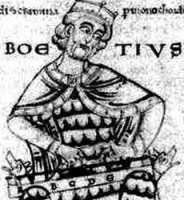


Profile

Descendant of a Roman consular family. His father was chosen as consul in 487, but died soon after, leaving Severinus an orphan. Educated by a pious, aristocratic friend of the family, Quintus Aurelius Memmius Symmachus. Fluent in Greek, he probably studied in Athens, Greece or Alexandria, Egypt. Known for his education and intellect. Married Rusticana, the daughter of his mentor Symmachus. They had of two sons. Severinus served as Roman consul in 510; his sons were chosen as Roman co-consuls themselves in 522. Aide and confidant to King Theodoric. Philosopher. Writer.


Political rivals accused him of disloyalty to the throne, of plotting to restore the Republic, and of the sacrilege of astrology; he was imprisoned without trial. While in jail he reflected on the instability of a state whose government depended on a single man such as a king; these ideas were developed in his best-known work, De Consolatione Philosophiae (Consolations of Philosophy). Soon after, he was executed on order of King Theodoric. A tradition began soon after that he had really been imprisoned and killed for being an orthodox Catholic, and he was soon considered a martyr.


Born

475-480 at Rome, Italy as Anicius Manlius Torquatus Severinus Boethius


Died

• 524-525 at Pavia, Italy

• relics in the cathedral in Pavia


Beatified

1883 by Pope XIII (cultus confirmed)


Saint Allucio of Campugliano


Profile

Son of Omodeo, a rancher. Shepherd in Pescia, Tuscany, Italy. Director of the alms-house in Valdi Nievole, Italy. Built shelters for travellers in mountain passes and river crossings. His work attracted other people who became the core of the future Brothers of Saint Allucio. Known as a miracle worker, and as a peace maker, ending the war between the Italian city states of Ravenna and Faenza.


Born

c.1070 in Campugliano, Italy


Died

• 23 October 1134 in Campugliano, Italy of natural causes

• interred by the Brothers in the church of Saint Luke in Campugliano

• relics enshrined in a stone urn at the high altar of the cathdral of Campugliano in 1344 by Dominican Brother Paul Lapi by order of Bishop Guglielmo Dulcini of Lucca, Italy

• relics moved to the chapel of Our Lady of the Rosary, Cathedral of Pescia, Italy in 1792

• relics moved to the new chapel of Saint Allucio in Campugliano, which soon after changed its name to Sant'Allucio di Uzzano, in 1934


Canonized

23 October 1182 by the bishop of Lucca, Italy


Saint Phaolô Tong Viet Buong


Also known as

• Paul Buòng

• Paul Buòng Viêt Tông

• Phaolô Buòng Viêt Tông


Additional Memorial

24 November as one of the Martyrs of Vietnam


Profile

Lifelong layman in the apostolic vicariate of Cochinchina. Convert to Christianity. Soldier. Captain of the guard for Emperor Ming Mang. Worked with the Society for Foreign Missions. When Ming Mang began a new round of persecutions of Christians, he ordered the apostasy of Christian soldiers; Phaolô refused. He was arrested in 1832, spent a year in prison being tortutred, interrogated for the names of other Christians, and order to renounce the faith; Phaolô refused. He was finally convicted of being a Christian, kicked out of the army and executed. Martyr.


Born

c.1773 in Phu Cam, Phu Xuân (now Hue), Vietnam


Died

beheaded on 23 October 1833 in Tho Ðuc, Saigon, Vietnam


Canonized

19 June 1988 by Pope John Paul II


Blessed Esther Paniagua Alonso


Profile

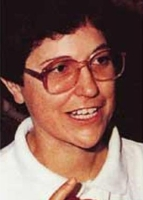
The daughter of Dolores Alonso and Nicasio Paniagua. Esther joined the Augustinian Missionary Congregation at age 18, making her perpetual vows in August 1970. Trained as a nurse, she was assigned to a hospital in the Bab El Oued neighborhood of Algiers, Algeria where she was especially drawn to handicapped children, and where she came to love the Arab people and culture. Murdered by members of the Armed Islamic Group while walking to Mass. Martyr.


Born

7 June 1949 in Izagre, León, Spain


Died

shot three times in the head on Sunday 23 October 1994 in Bab-el-Oued, Algiers, Algeria


Beatified

8 December 2018 by Pope Francis


Blessed María Caridad Álvarez Martín


Profile

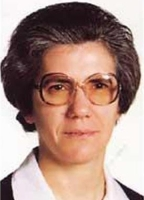
The daughter of Sotera Martín and Constantino Álvarez, María joined the Augustinian Missionary Sisters in 1955, and made her perpetual vows on 3 May 1960. She served in Algeria for more than 30 years, working with the poor and the elderly. Murdered by Muslim fundamentalists in the Armed Islamic Group while walking to Mass. Martyr.


Born

9 May 1933 in Santa Cruz de Salceda, Burgos, Spain


Died

shot in the head and neck on Sunday 23 October 1994 in Bab-el-Oued, Algiers, Algeria


Beatified

8 December 2018 by Pope Francis


Saint Ignatius of Constantinople


Also known as

Ignatios, Nicetas


Profile

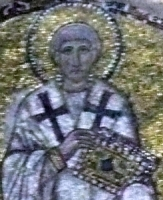
Son of the Byzantine emperor Michael I. Imprisoned for political reasons in a monastery in 813 by Leo the Armenian; there he learned about and entered the religious life, taking the name Ignatius. Monk. Priest. Abbot. Patriach of Constantinople in 842. Fought corruption in civil and religious life, even in the highest offices; refused communion to Bardas Caesar due to his acts of incest. Because of his high standards, Ignatius was exiled from 858 to 867, but eventually returned in triumph.


Born

c.799 in Constantinople as Nicetas


Died

• 23 October 877 of natural causes

• relics in the church of Saint Michael, Constantinople


Blessed John Buoni


Also known as

John Bonus


Profile

Spent his youth as a jester in Italian courts with his spare time mis-spent in wild living. After a severe illness in 1208, he reformed completely, converted, and became a hermit at Cesena, Italy. His reputation for piety attacted disciples. To escape them, he left one night and walked continuously and aimlessly till dawn. At sunrise he found himself at the front door of his hermitage; he took this as a sign, and turned his energy to organizing his would-be followers. Pope Innocent IV gave them the Augustinian rule, and they formed the basis of the Augustinian hermit friars.


Born

1168 in Mantua, Italy


Died

1249 in Mantua, Italy of natural causes


Beatified

1483 by Pope Sixtus IV (cultus confirmed)


Blessed Anne-Joseph Leroux


Also known as

• Anna Josepha

• Josephine Leroux

• Marie-Joséphine

• Mary Josephine


Profile

Ursuline nun at Valenciennes, France, taking the name Josephine. When the convents were suppressed in the French Revolution, she fled to Mons in Hainault (in modern Belgium. She returned to Valenciennes in 1793. She and many of her sisters were arrested and executed for the crime of being faithful Christians. Martyr.


Born

23 January 1747 at Cambrai, Nord, France as Ann-Joseph Leroux


Died

guillotined on 23 October 1794 in Valenciennes, Nord, France


Beatified

13 June 1920 by Pope Benedict XV


Saint Gratien of Amiens


Profile

Breton bishop martyred by pagans while on pilgrimage to Rome, Italy.


Died

• c.286 in Saint-Gratien, diocese of Amiens, France

• his walnut pilgrim's staff was stuck into the ground on the site of his execution; it took root and grew there; as late as 1117, that tree, though stripped bare, would burst into leaf and be covered in fruit on the night of his feast

• relics enshrined in the Coulombs monastery, diocese of Chartres, France in the 11th century

• relics hidden in the palace of the archbishop in Paris, France during the anti-Christian persecutions of the French Revolution

• relics somehow lost in 1830


Saints Germanus and Servandus of Cadiz


Profile

Sons of Saint Marcellus of Léon. Soldiers in the imperial Roman army. When they were revealed to be Christians, the brothers were chained, tortured, force marched without food, and finally martyred in the persecutions of Diocletian.
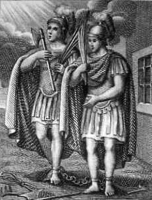


Born

Merida, Spain


Died

• beheaded c.305 on the Hill of Martyrs in San Fernando, Cadiz, Andalusia, Spain

• relics enshrined in Seville, Spain


Blessed Álvaro Ibáñez Lázaro


Also known as

Brother Florencio Martín


Profile

Baptized at the age of one day. Member of the Brothers of the Christian Schools, joining at Cambrils, Spain on 10 November 1927, taking the habit on 14 August 1929, and taking the name Brother Florencio Martín. Began teaching in Barceloneta, Spain in February 1932. A popular teacher noted for his skill in art and singing. Martyred in the Spanish Civil War.


Born

12 June 1913 in Godos, Teruel, Spain


Died

22 October 1936 in Benimaclet, Valencia, Spain


Beatified

11 March 2001 by Pope John Paul II


Blessed Pedro Lorente Vicente


Also known as

Brother Ambrosio León


Profile

Baptized at the age of four days. Member of the Brothers of the Christian Schools, joining on 7 November 1925 at Monreal del Campo, Spain and making his vows on 1 February 1930, taking the name Brother Ambrosio León. Taught in Bonanova, Spain in 1932. Dragged of his school militia during the Spanish Civil War, he was exiled and eventually martyred.


Born

7 January 1914 in Ojos Negros, Teruel, Spain


Died

22 October 1936 in Benimaclet, Valencia, Spain


Beatified

11 March 2001 by Pope John Paul II


Blessed Andrés Zarraquino Herrero


Also known as

Brother Honorato Andrés


Profile

Member of the Brothers of the Christian Schools, joining in Cambrils on 27 July 1924 and taking the habit on 15 August 1925, taking the name Brother Honorato Andrés. Teacher in Tortosa, Gracia, and then the College of Our Lady of Bonanova in Barcelona, Spain. Martyred in the Spanish Civil War.


Born

18 April 1908 in Bañón, Teruel, Spain


Died

22 October 1936 in Benimaclet, Valencia, Spain


Beatified

11 March 2001 by Pope John Paul II


Saint Severinus of Cologne


Also known as

Severin, Severino
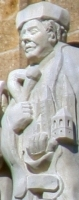


Profile

Bishop of Cologne, Germany. Prominent opponent of Arianism.


Legend says that as a priest, Father Severinus heard a voice saying, "Severinus, you will be bishop of Cologne." He asked, "When?" "When your staff flourishes," came the reply. So, he planted his walking stick into the ground. It took root, and on the day it budded he presented himself in Cologne and was chosen bishop.


Born

Bordeaux, France


Died

c.403 in Cologne, Germany of natural causes


Blessed Thomas Thwing


Also known as

Thomas Thweng


Additional Memorial

29 October as one of the Martyrs of Douai


Profile

Studied at Douai, France. Priest, ordained in 1665. Returning to England, he served as chaplain for his cousin, Sir Miles Stapleton, and chaplain to a Yorkshire school. Arrested in 1680, accused of involvement in the Titus Oates Plot. Martyr.


Born

1635 in Heworth, North Yorkshire, England


Died

hanged, drawn and quartered on 23 October 1680 in York, North Yorkshire, England


Beatified

15 December 1929 by Pope Pius XI


Saint Theodoret of Antioch

Also known as

Theodore, Teodoreto, Theodoritus


Profile

Priest in Antioch (in modern Turkey) where he served as the treasurer of the diocese. Effectively eliminated paganism in area of influence. Imprisoned, tortured and martyred in the persecutions of Julian the Apostate for refusing to surrender sacred vessels used in the Mass.


Died

• beheaded in 362 in Antioch, Syria (modern Antakya, Turkey)

• his executioners claimed to have seen angels around him


Saint Romanus of Rouen


Profile

Courtier to King Clothaire II. Bishop of Rouen, France c.629. He worked to convert the remaining pagans in his diocese, and personally tore down a temple to Venus. He ministered to prisoners, especially those on death row, and was known as a miracle worker.


Died

639 of natural causes


Blessed John Angelo Porro


Also known as

Giovannangelo Porro


Profile

Blessed John Angelo Porro was a Servite priest who was born in Milan, Italy, in 1451. He joined the Servites at Monte Senario, where the order was founded in the 13th century. He served as novice master in Florence and returned to his native Milan, where he died on October 24, 1506. His remains are enshrined in the Church of San Carlo al Corso in Milan.

Porro was known for his piety, humility, and love of the poor. He was also a skilled preacher and confessor. He was known for his ability to heal the sick and perform miracles.

After his death, Porro's tomb became a place of pilgrimage. Many miracles were attributed to his intercession. Pope Clement XII confirmed his cult as Blessed in 1737.

Blessed John Angelo Porro is a model of Christian holiness. He shows us that it is possible to live a life of love and service to others, even in the midst of difficult circumstances. He is also a reminder of the power of God's grace to transform our lives.


Feast day: October 23

Born

1451 at Milan, Italy


Died

1504 of natural causes


Beatified

15 July 1737 by Pope Clement XII (cultus confirmed)


Saint Benedict of Sebaste


Also known as

• Benedict of Poitiers

• Benedict of Quincay


Profile

Bishop of Sebaste, Samaria. During the persecutions of Julian the Apostate, Benedict fled to Gaul. Hermit near Poitiers, France where he attracted so many would-be students that the monastery later known as Saint Benedict of Quincay grew up around his hermitage.


Died

c.654


Feast of the Most Holy Redeemer


Article

Celebrated in honor of the graces and benefits of the Redemption. It was instituted at Venice, Italy in 1576 in thanksgiving for the cessation of a plague, and is now found only in the special calendar of some dioceses and religious orders.


Saint Ethelfleda


Also known as

Elfleda, Elflaeda, Ethelflaeda, Ethelfleda


Profile

Saint Ethelfleda was the eldest daughter of Alfred the Great and Ealhswith of Wessex. She was born in 872 AD and died in 918 AD. She is considered to be one of the most important figures in Anglo-Saxon history.

Ethelfleda was married to Ethelred II, the ealdorman of Mercia. After Ethelred's death in 911 AD, Ethelfleda became the ruler of Mercia in her own right. She proved to be a skilled and capable ruler. She expanded the borders of Mercia and built a number of fortifications to protect her kingdom from the Vikings.

Ethelfleda was also a devout Christian. She founded several churches and monasteries. She was also known for her generosity to the poor and the sick.

Ethelfleda died in 918 AD and was buried at Gloucester Cathedral. She was canonized by Pope Innocent IV in 1226.

Saint Ethelfleda is a model of Christian leadership. She was a strong and courageous woman who dedicated her life to serving her people and her faith. She is also a reminder that women can play a vital role in leadership, even in times of war and conflict.

Feast day: October 23

Died

c.970


Saint Oda of Aquitaine


Profile

Saint Oda of Aquitaine was a 9th-century French noblewoman who became a nun and then the abbess of Soissons Abbey. She is known for her piety, her generosity to the poor, and her skill in leading her community.


Oda was born into the royal family of Aquitaine, France. She was the daughter of Duke William I of Aquitaine and Engelberga of Albi. Oda was married at a young age to Robert, Count of Blois. However, her husband died just a few years after their marriage.

After her husband's death, Oda decided to become a nun. She entered Soissons Abbey, where she eventually became the abbess. As abbess, Oda was known for her wise and compassionate leadership. She also worked tirelessly to improve the lives of the poor and the sick.

Oda died in 882 AD and was buried at Soissons Abbey. She was canonized by Pope Leo IX in 1051.

Saint Oda of Aquitaine is a model of Christian leadership and service. She shows us that it is possible to live a holy life, even in the midst of wealth and privilege. She also teaches us the importance of compassion and generosity towards others.


Saint Clether


Also known as

Cleer, Clydog, Scledog, Clitanus, Cleodius


Profile

Known in Wales and Cornwall; several churches are dedicated to him. No details about him have survived.


Died

c.520


Saint Domitius of Amiens


Profile

Eight-century deacon and hermit near Amiens, France. Spiritual teacher of Saint Ulphia of Amiens.


Saint Elfleda


Also known as

Aelflead


Profile

Born an Anglo-Saxon princess and widow, she lived as an anchoress in Glastonbury, England, and was highly revered by Saint Dunstan of Canterbury.


Died

c.936


Saint Arethas of Negran


Profile

Sixth-century governor of the town of Negran in Arabia Felix. Martyred with a large number of Christians in the persecutions of Dunaan.


Died

523


Blessed Henry of Cologne


Profile

Studied at the University of Paris. One of the first Dominicans. First prior at Cologne, Germany. Friend of Blessed Jordan.


Died

1225


Saint Syra of Faremoutiers


Profile

Saint Syra of Faremoutiers (c. 530 - 620 AD) was a Frankish noblewoman who became a nun and then the abbess of Faremoutiers Abbey. She is known for her piety, her leadership of her community, and her contributions to the spread of Christianity in Francia.


Syra was born into a wealthy and powerful Frankish family. Her father was a close advisor to King Childebert I. Syra was educated at the court of Childebert's daughter, Chlodoswintha.


At a young age, Syra decided to become a nun. She entered Faremoutiers Abbey, which had been founded by her mother, Clotilda. Syra eventually became the abbess of Faremoutiers Abbey.

As abbess, Syra led Faremoutiers Abbey to become one of the most important centers of learning and piety in Francia. She also worked tirelessly to spread the Christian faith. Syra founded several new monasteries and supported the work of missionaries.

Syra was also a close advisor to King Chlothair II. She used her influence with the king to promote peace and justice in Francia.

Syra died in 620 AD and was buried at Faremoutiers Abbey. She was canonized by Pope Nicholas I in 860 AD.

Saint Syra of Faremoutiers is a model of Christian leadership and service. She shows us that it is possible to live a holy life, even in the midst of wealth and privilege. She also teaches us the importance of education, piety, and service to others.


Saint Dorotheus of Hadrianopolis


Saint Dorotheus of Hadrianopolis (also known as Saint Dorotheus of Bulgaria) was a 4th-century bishop of Hadrianopolis (now Edirne, Turkey). He was known for his piety, his wisdom, and his writings on spiritual life.

Dorotheus was born in Antioch, Syria, in the early 4th century. He was educated at the famous school of Antioch, where he studied under the renowned theologian Diodorus of Tarsus. After completing his studies, Dorotheus became a monk and then a priest.

In the early 4th century, Dorotheus was elected bishop of Hadrianopolis. He served as bishop for many years and was known for his wise and compassionate leadership. He was also a prolific writer and left behind a number of works on spiritual life, including the Discourses and the Instructions.

Dorotheus's writings are known for their practical advice on how to live a Christian life. He emphasizes the importance of humility, obedience, and love. He also stresses the importance of prayer and the study of Scripture.

Dorotheus died in Hadrianopolis in the late 4th century. He is commemorated in the Eastern Orthodox Church on October 23.


Saint Verus of Salerno


Saint Verus of Salerno (also known as Vero or Verus of Canosa) was a 6th-century Italian bishop and saint. He is believed to have been born in Canosa di Puglia, Italy, and he was educated in Rome. After his studies, he returned to Canosa and was ordained a priest.

In 542, Verus was elected bishop of Salerno. He was a wise and compassionate pastor, and he was loved by his people. He was also a strong defender of the Catholic faith, and he fought against the Arian heresy.

Verus is credited with many miracles, including the healing of the sick and the raising of the dead. He is also said to have exorcised demons and to have calmed storms.

Verus died in 579, and he was buried in the cathedral of Salerno. He was canonized by Pope Gregory the Great in 590. His feast day is celebrated on October 23rd.


Saint Socrates of Nicaea


Profile

There is very little information available about the life of Saint Socrates of Nicaea. He is mentioned in the martyrologies of Eusebius and Jerome, but these sources only provide basic information about his death. It is believed that he was persecuted during the reign of Emperor Maximinus Thrax, and that he was beheaded for his faith.

Saint Socrates of Nicaea is venerated as a martyr by the Catholic Church, the Orthodox Church, and the Oriental Orthodox Church. He is also one of the patron saints of the city of Nicaea.

Died

c.230 in Nicaea


Saint John of Syracuse


Saint John of Syracuse was a Benedictine bishop of Syracuse, Sicily, from 595 until his death in 619. He is venerated as a saint by the Catholic Church,

John was born into a wealthy family in Syracuse, and he received a good education. He was drawn to the religious life, and he entered the Benedictine monastery at Monte Cassino. After several years of monastic life, he was elected bishop of Syracuse.

As bishop, John was known for his holiness of life and his zeal for the Gospel. He was also a strong defender of the Catholic faith against the Arian heresy. He is credited with building many churches and monasteries in Syracuse and the surrounding area.

John is also known for his miracles. He is said to have cured the sick, raised the dead, and calmed storms. He is also said to have prophesied the future.

John died in 619, and he was buried in the cathedral of Syracuse. His tomb became a place of pilgrimage, and many miracles were reported to have happened there.

Saint John of Syracuse is a patron saint of the city of Syracuse, and he is also invoked by sailors and travelers. He is a model of holiness and service to God, and his intercession is sought for many needs.

Died

c.609


Saint Severus of Hadrianopolis


Also known as

Severus of Adrianopolis

Saint Severus of Hadrianopolis (c. 465 - 538) was a Greek Christian monk, theologian, and patriarch of Antioch. He was a leading figure in the Miaphysite movement, which taught that Christ has one unified nature that is both divine and human. Severus was a prolific writer, and his works include homilies, theological treatises, and letters. He was also a skilled translator, and he translated works by Cyril of Alexandria and other Greek theologians into Syriac.

Severus was born in Sozopolis in Pisidia, Asia Minor. He entered a monastery at a young age and received a thorough education in theology and philosophy. In 512, he was elected patriarch of Antioch. As patriarch, Severus was a strong advocate for the Miaphysite position. He attended the Council of Chalcedon in 451, but he refused to sign the Chalcedonian Creed, which he believed denied the full divinity of Christ.

Severus's refusal to sign the Chalcedonian Creed led to his exile from Antioch in 518. He spent the rest of his life in exile, mostly in Egypt. He continued to write and teach, and he became a leading figure in the Miaphysite movement. He died in exile in 538.

Severus is venerated as a saint by the Coptic Orthodox Church, the Ethiopian Orthodox Church, the Syrian Orthodox Church, and the Syro-Malankara Orthodox Church. 


Saint Amo of Toul


Also known as

Amon


Saint Amo (also spelled Amas or Ama) was the second bishop of Toul, France. He succeeded Saint Mansuetus in the 4th century. Very little is known of his life, but he is venerated as a saint by the Catholic Church.

Saint Amo's feast day is celebrated on May 13th. He is often depicted as a bishop wearing a miter and holding a crosier.

In the town of Toul, there is a church dedicated to Saint Amo. It is one of the oldest churches in the town, dating back to the 11th century. The church contains a number of relics of Saint Amo, including his skull and a piece of his cloak.

Saint Amo is invoked as a patron saint of the city of Toul and of the diocese of Toul. He is also invoked as a patron saint of travelers and of those who are sick.


Saint Euerotas of Nicaea


Saint Euerotas of Nicaea was a bishop of Nicaea in the 4th century. He is best known for his participation in the First Council of Nicaea in 325 AD, where he was one of the signers of the Nicene Creed.

Euerotas was born in Nicaea in the early 4th century. He was a learned man and a skilled theologian. He was also a devout Christian and was known for his piety and asceticism.

In 325 AD, Euerotas was one of the bishops who were invited by the Roman Emperor Constantine the Great to attend the First Council of Nicaea. The council was convened to address the Arian controversy, which was a theological dispute over the nature of the relationship between Jesus Christ and God the Father.

At the council, Euerotas was one of the bishops who spoke against the Arian heresy. He defended the orthodox teaching that Jesus Christ is fully God and fully human. He also helped to draft the Nicene Creed, which is the creed that is still used by many Christian churches today.

After the council, Euerotas returned to Nicaea and continued to serve as bishop. He was a popular and respected bishop, and he was known for his pastoral care and his preaching. He died in the late 4th century.


Saint Theodota of Nicaea


Saint Theodota of Nicaea was a Christian martyr who lived during the reign of Emperor Alexander Severus (222-235 AD). She was a rich and beautiful woman, but she chose to dedicate her life to Christ and His Church.

When the governor of Cappadocia learned that Theodota was a Christian, he summoned her and urged her to renounce her faith. Theodota refused, and the governor had her tortured. However, she remained miraculously unharmed.

The governor then sent Theodota to Byzantium, where she was again tortured. But again, she remained unharmed. Finally, the governor ordered that Theodota be taken to Nicea and burned alive.

On the day of her execution, Theodota was led to the stake with her hands bound behind her back. She prayed to God to give her strength, and then she bravely faced her death. As the flames began to rise, Theodota sang a hymn of praise to God.

When the fire finally died down, the people were amazed to see that Theodota's body was unharmed. She had been martyred for her faith, but her body was untouched by the flames.


Martyrs of Valenciennes


Profile

A group of Urusuline and Briggittine nuns murdered together in the anti-Christian excesses of the French Revolution.

The sisters were all deeply committed to their faith and to their vocation as teachers. They knew that they were risking their lives by continuing to teach Catholic doctrine, but they were not willing to compromise their beliefs.

On October 17, 1794, the first six sisters were guillotined. They faced their deaths with courage and dignity, singing hymns and praying for their enemies. On October 23, the remaining five sisters were guillotined.

The Martyrs of Valenciennes were beatified by Pope Benedict XV in 1920. Their feast day is celebrated on October 17.


• Anne-Joseph Leroux

• Clotilde-Joseph Paillot

• Jeanne-Louise Barré

• Marie-Augustine Erraux

• Marie-Liévine Lacroix

• Marie-Marguerite-Joseph Leroux


Died

guillotined on 23 October 1794 in Valenciennes, Nord, France


Beatified

13 June 1920 by Pope Benedict XV


Martyred in the Spanish Civil War


• Agapit Gorgues Manresa

• Anatolio García Nozal

• Andrés Navarro Sierra

• Eduardo Valverde Rodríguez

• Eufrasio de Celis Santos

• Fulgencio Calvo Sánchez

• Honorino Carracedo Ramos

• José María Cuartero Gascón

• Justiniano Cuesta Redondo

• Leonardo Olivera Buera

• Manuel Navarro Martínez

• Tomás Cuartero Gascón


 Bartholomew of Breganze


Bartholomew of Breganze (c. 1200 – 1 July 1271) was an Italian Dominican friar and bishop. He was born in the city of Vicenza to the noble family of Da Breganze (from Breganze). He studied at Padua, receiving there the habit of the recently founded Order from the hands of St. Dominic himself, at about the age of twenty.

Bartholomew was a renowned preacher and theologian. He was also a skilled diplomat and peacemaker. In 1233, he founded the Militia of Jesus Christ for knights. This was a military order dedicated to fighting heresy and defending the Catholic Church. Bartholomew also served as regent of the theological faculty at the papal Curia before becoming bishop of Limassol, Cyprus, in 1252. He was transferred to Vicenza in 1255.

As bishop of Vicenza, Bartholomew worked tirelessly to reform his diocese and to promote peace and unity among the people. He was also a strong advocate for the poor and the oppressed. Bartholomew died in 1271 and was beatified in 1793.

Bartholomew of Breganze is remembered as a holy and dedicated bishop, a gifted preacher, and a skilled diplomat. He is also known for his commitment to peace, justice, and the poor.


Bertrand of Grandselve


Bertrand of Grandselve (c. 1080 - 1149) was a Cistercian abbot and mystic. He was born in France to a noble family, and entered the Benedictine monastery of Grandselve in 1114. In 1128, he was elected abbot, and under his leadership, Grandselve became one of the most flourishing monasteries in the south of France.

In 1144, Bertrand affiliated Grandselve with the Cistercian Order, and in 1145, he met with Saint Bernard of Clairvaux, to whom he submitted his abbey. Bertrand was a close friend and disciple of Bernard, and he played an important role in the spread of the Cistercian Order in southern France.

Bertrand was also a renowned preacher and writer. He wrote several sermons and treatises on spiritual life, which were widely read and admired in his time. He was particularly interested in the mystical aspects of the Christian faith, and his writings are full of insights into the nature of prayer, contemplation, and the union of the soul with God.

Bertrand died in 1149, and he was buried in the abbey church of Grandselve. He was beatified by Pope Leo XIII in 1889

21 அக்டோபர் 2026

இன்றைய புனிதர்கள் அக்டோபர் 21

 Bl. Nicolas Barre


Feastday: October 21

Birth: 1621

Death: 1686

Beatified: Pope John Paul II


Nicolas Barré (October 21, 1621 - May 31, 1686) was a priest and founder of the Community of the Sisters of the Child Jesus, was beatified in 1999.

Nicolas was born October 21, 1621 in Amiens, his parents were wealthy merchants, who had five children he was the eldest. Nicolas was baptized at Saint-Germain December 17, 1621.

He was educated by the Jesuits, but at 19, he joined the Minims, founded by St. Francis of Paola. He took his vows in 1641 and was ordained priest in 1645.

From 1645 to 1655, he assumed the office of professor of theology and librarian at the convent in the Place Royale in Paris (now Place des Vosges).

But in 1655, his health deteriorating, Nicolas Barré was sent to Amiens, where he recovered, before leaving for Rouen.

There, from 1659 to 1675, he worked for the education of poor children, with a few girls who are organizing to be fully available to their educational mission. In 1662 opened a school in Sotteville-lčs-Rouen, and the Father Barre establishes a first community gathering women who had helped him in his efforts. These are the first Sisters of Providence of Rouen.

In 1675, he returned to Paris where he continued his foundation for popular schools and communities, such as Charitable Mistresses of the Holy Child Jesus, also known as the Ladies of Saint-Maur. He was the adviser of St. John Baptist de La Salle, to whom he enjoined to give up his property and live with poor school teachers to be successful as the first master charitable successful with girls. "

He died May 31, 1686 in Paris.


St. Maichus


Feastday: October 21


A Syrian hermit, captured by the Saracens and sold as a slave. Malchus told St. Jerome that he was born in Nisibia. He was one of the recluses at Khalkis, near Antioch. and set out with a caravan to return home. The caravan was captured by marauding Bedouins, and he was taken prisoner. While a captive, Malchus was forcibly married to a young woman who was already married. They lived as brother and sister until fleeing into the region of caves. While hunting them, their master was killed by a lioness. Malchus went back to Khalkis, and the woman, unable to find her true husband, became a hermitess. Malchus later went to Maronia where he was honored by St. Jerome.


St. John of Bridlington


Feastday: October 21

Patron: women in difficult labour; fishermen

Birth: 1319

Death: 1379


Augustinian prior and patron of women who face difficult labors. He was born John Thwing in Bridlington, Yorkshire, England, in 1319, and became a student at Oxford. Joining the Augustinians at Bridlington, he served as prior for seventeen years until his death. He was canonized in 1401.


John Twenge (Saint John of Bridlington, John Thwing, John of Thwing, John Thwing of Bridlington) (1320–1379) is an English saint of the 14th century. In his lifetime he enjoyed a reputation for great holiness and for miraculous powers. St John of Bridlington was commended for the integrity of his life, his scholarship, and his quiet generosity. He was the last English saint to be canonised before the English Reformation.


Life

Born in 1320 in the village of Thwing on the Yorkshire Wolds, about nine miles west of Bridlington,[1] he was of the Yorkshire family Twenge, which during the English Reformation would supply two Roman Catholic priest-martyrs, and was also instrumental in establishing the Institute of the Blessed Virgin Mary at Bar Convent, York.


John was educated at a school in the village from the age of five, completing his studies at Oxford University. He then entered the Augustinian Canons Regular community of Bridlington Priory. He carried out his duties with humility and diligence, and was in turn novice master, almsgiver, preacher and sub-prior. He became Canon of the Priory in 1346 and was eventually elected Prior in 1356. John initially declined out of humility, but after being re-elected, probably in 1361, he took on the duties of Prior in January 1362.[1] He served as Prior for 17 years before his death on 10 October 1379.


Miracles attributed to him

In his lifetime he enjoyed a reputation for great holiness and for miraculous powers. Reputedly on one occasion he changed water into wine. On another, five seamen from Hartlepool in danger of shipwreck called upon God in the name of His servant, John of Bridlington, whereupon the prior himself appeared to them in his canonical habit and brought them safely to shore. The men left their vessel at the harbour and walked to the Monastery where they thanked John in person for saving their lives.[1]


The Vision of William Staunton (British Library Manuscripts, Royal 17.B.xliii and Additional 34,193) recounts William's visit to St Patrick's Purgatory where he sees both purgatory and the earthly paradise and is conducted through the otherworld by St John of Bridlington and St Ive (of Quitike).[2]


Death and canonisation

After his death from natural causes, the fame of the supposed miracles brought by his intercession spread rapidly through the land. Alexander Neville, Archbishop of York, charged his suffragans and others to take evidence with a view to his canonisation, 26 July 1386. Richard le Scrope, Archbishop of York 1398–1405, assisted by the bishops of Durham and Carlisle, officiated at a solemn translation of his body, 11 March 1404, de mandato Domini Papae.[3] This pope, Boniface IX, shortly afterwards canonised him. The canonisation had been doubted and disputed; but the original Bull was unearthed in the Vatican archives by T. A. Twemlow, who was engaged in research work there for the British government.


At the English Reformation, Henry VIII was asked to spare the magnificent shrine of the saint, but it was destroyed in 1537. The nave of the church, restored in 1857, is all that now remains of Bridlington Priory. The saint's feast is observed by the canons regular on 9 October.[3]


Veneration


Window at All Saints, Thwing (1950s)

St John of Bridlington was commended for the integrity of his life, his scholarship, and his quiet generosity. He was the last English saint to be canonised before the English Reformation. King Henry V attributed his victory at Agincourt to the intercession in heaven of this Saint John and of Saint John of Beverley. Women in difficult labour may pray to St John of Bridlington as their patron saint[4] and he is also associated with the local fishing industry.


At All Saints Church, Thwing, there is a window showing St John of Bridlington and St Cecilia. There is a St John Street in Bridlington named after him, an old thoroughfare linking the "Old Town" that grew up around Bridlington Priory with the quayside community of fishermen and traders. At St Andrew's Church, Hempstead, Norfolk, a wooden panel showing John of Bridlington depicts him holding a fish and in episcopal robes, though he never served as bishop


St. Dasius


Feastday: October 21

Death: 303


Martyr with Gaius, Zoticus, and companions at Nicomedia.There were fifteen soldiers in this group

St. Dasius was a Christian martyr of the early 4th century AD. He was a Roman soldier of Legio XI Claudiana at Durostorum (modern Silistra), Moesia Inferior who was beheaded in the early 4th century after his refusal to take the part of "king" in the local Saturnalia celebrations.

The Saturnalia was a Roman festival held in honor of the god Saturn. It was a time of feasting, merrymaking, and role-reversal. Dasius was chosen to play the role of the king during the festival, but he refused because it would have required him to participate in pagan rituals.

Dasius was arrested and brought before the governor, who tried to persuade him to recant his faith. Dasius refused, and he was sentenced to death.


Saint Ursula

மறைசாட்சி ஊர்சுலா 

நினைவுத்திருநாள் : அக்டோபர் 21

பிறப்பு : இங்கிலாந்து (?)

இறப்பு : 3 அல்லது 4 ஆம் நூற்றாண்டு, கொலோன்

பாதுகாவல்: கொலோன் மறைமாவட்டம், இளைஞர்கள், ஆசிரியர்கள், அமைதியான மரணம்

ஊர்சுலா ஆங்கிலேயர் அரசர் குடும்பத்தில் பிறந்தவர். சிறுபிள்ளையாக இருக்கும்போதே, துறவிகளுக்குரிய வார்த்தைப்பாடுகளை எடுத்தார். ஆனால் இவரின் தந்தை, செல்வந்தர் ஒருவருக்கு திருமணம் செய்து வைக்க நிச்சயம் செய்தார். ஆனால் ஊர்சுலாவின் இதயம் இறைவனையே நாடியது.

இவர் ஒருமுறை கடலில் பயணம் செய்யும்போது, பலத்த காற்று ஏற்பட்டது. அப்போது தான் சென்ற கப்பலை, கொலோன் நகரை நோக்கி செல்ல ஊர்சுலா கூறவே கப்பலானது கொலோன் நகரை வந்தடைந்தது. அப்போது அழகு வாய்ந்த ஊர்சுலா ஹீனன்கொனிஷ் (Hunnenkönig) என்பவரால் கவரப்பட்டார்.

ஆனால் அவ்வரசனின் விருப்பத்திற்கிணங்க ஊர்சுலா மறுத்தார். இதனால் அவனால் கொலை செய்யப்பட்டதாக வரலாறு கூறுகின்றது. 1106 ஆம் ஆண்டில் இவரின் புனிதப்பொருட்கள் கண்டுபிடிக்கப்பட்டு, இவரின் பெயரில் உள்ள ஆலயத்தில் வைக்கப்பட்டுள்ளதாகவும் கூறப்படுகின்றது.


செபம்:

நல்ல ஆயனாம் இறைவா! ஊர்சுலா என்ற பெயரை தாங்கியுள்ள அனைவரையும் ஆசீர்வதியும். நல்ல உடல் உள்ள நலன்களை கொடுத்து, வாழ்வை ஆசீர்வதித்து இப்புனிதரின் வழியாக உம் ஆசீர்வாதங்களை நீர் பொழிந்து வழிநடத்த வேண்டுமென்று இறைவா உம்மை மன்றாடுகின்றோம்


Profile

Legendary princess, the daughter of a Christian British king and Saint Daria. She travelled Europe in company of either 11 or 11,000 fellow maidens; the 11,000 number probably resulted from a misreading of the term "11M" which indicated 11 Martyrs, but which a copyist took for a Roman numeral. Ursula and her company were tortured to death to get them to renounce their faith, and old paintings of them show many of the women being killed in various painful ways. Namesake for the Ursuline Order, founded for the education of young Catholic girls and women.


There are other saints closely associated with Ursula and her story –

travelling companions who were martyred with her


• Agnes of Cologne

• Antonia of Cologne

• Calamanda of Calaf

• Cesarius of Cologne

• Cordula

• Cunigunde of Rapperswil

• Cyriacus of Cologne

• Fiolanus of Lucca

• Ignatius of Cologne

• James of Antioch

• Mauritius of Cologne

• Martha of Cologne

• Odilia

• Pontius of Cologne

• Sulpitius of Ravenna

• Vincent of Cologne

travelling companion, but escaped the massacre

• Cunera

led by a dove to the lost tomb of Ursula

• Cunibert of Cologne

her mother

• Daria

Died

21 October 238 in Cologne, Germany


Blessed Charles of Austria


Also known as

• Charles of Habsburg

• Carlo d'Austria

• Karl I von Österreich

• Karl IV von Österreich


Profile

Son of Archduke Otto and Princess Maria Josephine of Saxony; great-nephew of Emperor Francis Joseph I. A stigmatic nun prophesied that he would be the victim of attacks and great suffering. A group of people were specifically assigned to pray for him at all times; after his death this group formed the League of Prayer of the Emperor Charles for the Peace of the Peoples (Gebetsliga Kaiser Karl für den Völkerfrieden), which became an ecclesiastically recognized prayer group in 1963. He received a strong Catholic education, and developed a strong devotion to the Holy Eucharist and the Sacred Heart of Jesus. Married Princess Zita of Bourbon and Parma on 21 October 1911. They had eight children over the next ten years.


With the assassination of Archduke Francis Ferdinand on 28 June 1914, the trigger for World War I, Charles became heir presumptive to the throne of the Austro-Hungarian Empire. On the death of Emperor Francis Joseph on 21 November 1916, Charles became Emperor of Austria; crowned apostolic king of Hungary on 30 December 1916. He saw his crown as a way to implement Christian charity and social reform. He worked for peace, for an end to the war, and was the only leader to support Pope Benedict XV's peace effort. After the war, Charles was exiled to Switzerland in March 1919. Trying to prevent the rise of Communism in Central Europe, he tried twice in 1921 to return to power, but since he refused to be the cause of civil war, he finally gave up. Since he considered his office a mandate from God, he never abdicated his throne or title, but he was exiled to the island of Madeira, Portugal and spent his remaining days in prayerful poverty. His widow, princess Zita, dressed in black and lived in mourning her remaining 67 years.


Born

17 August 1887 in Persenbeug Castle, Melk, Lower Austria


Died

1 April 1922 at Funchal, Madeira, Portugal of pneumonia


Beatified

• 3 October 2004 by Pope John Paul II

• his beatification miracle involved the cure of metastatic breast cancer in a Baptist women from Kissimmee, Florida


Blessed Giuseppe Puglisi


Also known as

Pino Puglisi


Profile

Son of Carmelo and Giuseppa Fana Puglisi, a cobbler and a seamstress. Ordained on 2 July 1960 as a priest in the archdiocese of Palermo, Italy. Parish priest in the areas of Settacannoli, Romagnolo, Vadessi, Godrano and Brancaccio in Italy. Confessor of the Basilian sisters Figlie di Santa Macrina. Taught at a number of schools from 1962 to 1993. Worked with youth in the poorest areas of his assignments, and helped teach anyone who would listen about the reforms of Vatican II that were designed to revilatize the involvement of the laity. Worked in Godrano to end bloody vendettas, and reconciled families broken by violence. Member of the Presenza del Vangelo. Vice-rector of the seminary in Palermo on 9 August 1978; director of diocesan vocations on 24 November 1979 and of the region on 5 February 1986. The work he did in schools, with vocations and in the neighborhoods proved a model for later teachers who work from the Christian point of view. Worked with groups of nuns, priests and lay people to improve living conditions and to denouce crime and the collusion of elected officials with organized crime. He received a series of threats, and was murdered at home by the mafia for his work. Martyr.


Born

15 September 1937 in Brancaccio, Palermo, Italy


Died

• 15 September 1993 at piazzale Anita Garibaldi 3, Palermo, Italy

• buried in the chapel


Beatified

• 25 May 2013 by Pope Francis

• beatification recognition celebrated at the Stadio Renzo Barbera, Palermo, Italy by Cardinal Salvatore De Giorgi


Saint Wendelin

புனித_வென்டலின் (554-617)


அக்டோபர் 21


இவர் ஸ்காட்லாந்து நாட்டின் இளவரசர். இவரது தந்தை ஸ்காட்லாந்தை ஆண்டு வந்த ஃபோர்சதோ, தாய் அயர்லினா என்பவர் ஆவர்.


தனக்கு மறைக்கல்வி கற்றுக்கொடுத்த ஆயர் வழியாக இறைவன்மீது மிகுந்த பற்றுக்கொண்டு வாழ்ந்த இவர், ஒருநாள் எல்லாவற்றையும் துறந்துவிட்டு, கால்நடையாகவே புனித நாடுகளுக்குச் சென்றார்‌. 


574 ஆம் ஆண்டு உரோமைக்கு வந்த இவர், அங்கிருந்த திருத்தந்தை முதலாம் பெனடிக்டைச் சந்தித்து அவரிடம் ஆலோசனை கேட்டார். அவர் சொன்ன ஆலோசனை பேரில் இவர் ஒரு துறவியாக வாழத் தொடங்கினார்.


இதற்குப் பிறகு இவர் மக்கள் கொடுத்த உணவை உண்டு, அவர்கள் நடுவில் போதித்தும், இறைவேண்டல் செய்தும் வந்தார். இப்படிப்பட்ட நேரத்தில் ஒருவர் இவரிடம், "கையும் காலும் நன்றாகத்தானே இருக்கின்றன, பிறகு எதற்கு அடுத்தவரிடம் இரந்து உண்கிறாய்?" என்று கேட்டார். இதனால் இவர் ஒரு பெரிய பணக்காரரின் தோட்டத்தில் தோட்ட வேலைகளைச் செய்து, அதிலிருந்து கிடைத்த ஊதியத்தில் உண்டு வந்தார்.


நாள்கள் மெல்ல நகர்கையில் தோட்ட வேலையிலேயே முழு நாளும் கழிந்ததால், இவரால் இறைவனிடம் வேண்டுவதற்கு நேரம் ஒதுக்க முடியாமல் போனது. இதனால் இவர் தோட்ட வேலையை விட்டுவிட்டு, ஒருவருடைய ஆடுகளை மேய்க்கத் தொடங்கினார். இப்பொழுது இவருக்கு இறைவனிடம் வேண்டுவதற்கு மிகுதியான நேரம் கிடைத்தது.


இவ்வாறு இவர் தான் செய்த இறைவேண்டலின் மூலம் இறைவனோடு ஒன்றித்திருக்க முடிந்ததால், இறைவார்த்தையை மக்களுக்கு நல்ல முறையில் எடுத்துரைக்க முடிந்தது. பலரும் இவருடைய போதனையைக் கேட்க ஆவலோடு வந்தார்.


இப்படி இறைவேண்டலுக்கும் இறைவார்த்தையை எடுத்துரைப்பதற்கும் சிறந்ததோர் எடுத்துக்காட்டாக விளங்கிய இவர் 617 ஆம் ஆண்டு இறையடி சேர்ந்தார்.

Also known as

Wendel, Wendolinus, Wendelinus


Profile

Prince of Scotland, the son of King Forchado and Queen Irelina. Educated by the local bishop, Wendelin decided to abandon life in the royal family, and devote himself to God. Dressed as a pilgrim, Wendelin left his castle home in the middle of the night, and left the worldly life behind.


Pilgrim to many holy sites, reaching Rome, Italy in 574. During an audience with Pope Benedict I, the pope told him to follow his desire for a life with God. Lived for a while in Einsidel, Germany. Hermit in the forest wilderness of Westerich.


During a trip to the shrines in Trier, Germany, he reportedly met a wealthy highwayman. The thief admonished Wendelin for begging when he was so obviously capable of earning his living. He then worked for the thief as a swineherd until he found there was no time for his prayers. He transferred to work tending cattle, Wendelin again had time for prayer. However, the herd he tended grew so fast that he soon found himself again over-worked. This time he was transferred to tending sheep, traditionally a job for children or older men as it was less physically demanding. Even when his flock grew large, he still had time for prayer. Legend says that God transferred Wendelin and his flocks back to the old hermitage many times, and then brought them back in the evening.


Hermit near Trier in 590. Abbot in Tholey, Germany in 597.


Born

554 in Scotland


Died

617 at Tholey, Germany of natural causes


Saint Laura of Saint Catherine of Siena

 புனிதர் லாரா 


மறைப்பணியாளர்/ நிறுவனர்:

பிறப்பு: மே 26, 1874

ஜெரிகோ, அன்டியோகுயியா, ஐக்கிய கொலம்பியாவின் மாகாணங்கள்

இறப்பு: அக்டோபர் 21, 1949 (வயது 75)

பெலென்சிடோ, மெடெல்லின், அன்டியோகுயியா, கொலம்பியா

ஏற்கும் சமயம்:

ரோமன் கத்தோலிக்க திருச்சபை

முக்திபேறு பட்டம்: ஏப்ரல் 25, 2004

திருத்தந்தை ஜான் பவுல்

புனிதர் பட்டம்: மே 12, 2013

திருத்தந்தை ஃபிரான்சிஸ்

நினைவுத் திருநாள்: அக்டோபர் 21

பாதுகாவல்:

இன பாகுபாடு காரணமாக பாதிக்கப்பட்டவர்கள்

அனாதைகள்

மரியாவின் மாசற்ற இருதயம் சபை (Congregation of Missionary Sisters of Immaculate Mary)

புனித சியன்னா நகர கேதரீனாவின் மறைபணியாளர் சகோதரிகள் சபை (Congregation of  Saint Catherine of Siena)


புனிதர் சியன்னா நகர கத்ரீனாவின் லாரா, ஒரு கத்தோலிக்க அருட்சகோதரி ஆவார். 1914ம் ஆண்டு, இவர் மரியாவின் மாசற்ற இதயம் (Congregation of Missionary Sisters of Immaculate Mary), மற்றும் புனித சியன்னா நகர கேதரீனாவின் மறைபணியாளர் சகோதரிகள் (Congregation of  Saint Catherine of Siena) என்னும் துறவற சபைகளை நிறுவினார். இவர் பழங்குடி இனத்தவர்களின் உரிமைக்காக பாடுபட்டார். தென் அமெரிக்க பெண்களுக்கு இவர் ஒரு சிறந்த எடுத்துக்காட்டாக கருதப்படுகின்றார். 


“மரிய லாரா டி ஜீசஸ் மொன்டோயா யி உபெகுயி” (María Laura de Jesús Montoya Upegui) எனும் இயற்பெயர் கொண்ட இவர், கொலொம்பியாவின் (Colombia) “ஜெரிகோ” (Jericó) நகரில் பிறந்தார். இவரது தந்தையாரின் பெயர், "ஜுவான் டி லா க்ரூஸ் மோன்டோயா" (Juan de la Cruz Montoya) ஆகும். தாயாரின் பெயர், "டோலோரெஸ் ஊபேகுய்" (Dolores Upegui) ஆகும். இவரது பெற்றோருக்குப் பிறந்த மூன்று குழந்தைகளில் இவர் இரண்டாம் குழந்தை ஆவார்.


கி.பி. 1876ம் ஆண்டு நடந்த கொலம்பிய உள்நாட்டுப் (Colombian Civil War) போரின்போது, அவரது தந்தை கொல்லப்பட்டார். அதன் விளைவாக குடும்பத்தினர் ஏழ்மை நிலைக்குத் தள்ளப்பட்டனர். இதன் காரணமாக அவர் தாய்வழி தாத்தா பாட்டியுடன் வாழ அனுப்பப்பட்டார். கி.பி. 1881ம் ஆண்டு, நிலையற்ற பொருளாதார நிலை காரணமாக, அருட்சகோதரியான அவருடைய சித்தி "மரியா டி ஜீஸஸ் உபேகுய்" (María de Jesús Upegui) நிர்வகித்து வந்த அனாதை இல்லத்திற்கு அனுப்பப்பட்டார்.


கி.பி. 1890ம் ஆண்டு, தமது பதினாறு வயதில், ஆசிரியர் பயிற்சி பள்ளியில் சேர்த்து விடப்பட்டார். "அமால்ஃபி" (Amalfi) மற்றும் "மெடேல்லின்" (Medellín) ஆகிய நகரங்களில் கல்வி கற்றார். கி.பி. 1886ம் ஆண்டு, நோயுற்ற அத்தை ஒருவரைப் பராமரிப்பதற்காக அவரது பண்ணையொன்றில் வந்து வசிக்க ஆரம்பித்தார். அங்கேதான், தாம் ஒரு மறைப்பணியாளராக வேண்டிய விருப்பம் இவருக்கு தோன்ற ஆரம்பித்தது. கி.பி. 1893ம் ஆண்டு, மொண்டோயோ, ஆசிரியர் பயிற்சி பட்டம் பெற்றார்.


கி.பி. 1908ம் ஆண்டு, அவர் “உராபா” (Uraba) மற்றும் “சரார்” (Sarare) பிராந்தியங்களில் உள்ள மக்களுடன் இணைந்து பணியாற்றினார், அங்கே, "இந்தியர்களின் படைப்புகள்" (Works of the Indians) எனும் அமைப்பு நிறுவப்பட்டது. மொண்டோயோ, கார்மேல் சபை கன்னியாஸ்திரியாக ஆக விரும்பினார். ஆனால், கிறிஸ்துவின் அன்பை இதுவரை சந்தித்திராத மக்களுக்கு கிறிஸ்துவின் நற்செய்தியை அறிவிக்கும் ஆசையும் ஆர்வமும் அவருள் எழுந்ததை உணர்ந்தார். மொண்டோயோ, தற்போதுள்ள இனப் பாகுபாடுகளை நீக்கி, கிறிஸ்துவின் அன்பையும் போதனைகளையும் அவர்களிடம் கொண்டு வர தம்மையே அர்ப்பணிக்க விரும்பினார்.


கி.பி. 1917ம் ஆண்டு, மே மாதம், 14ம் நாளன்று, “மரியாளின் மாசற்ற இருதயம் சபை” (Congregation of Missionary Sisters of Immaculate Mary) மற்றும் “புனித சியன்னா நகர கேதரீனாவின் மறைபணியாளர் சகோதரிகள் சபை” (Congregation of  Saint Catherine of Siena) ஆகிய இரண்டு சபைகளை நிறுவினார். நான்கு சக பெண்களுடன் “மெடல்லின்” (Medellín) நகரை விட்டு கிளம்பி, “டபெய்பா” (Dabeiba) நகரில் ஆதிவாசி இந்தியர்களுடன் வாழ சென்றார்.


இவர்களது புதிய சபைகளுக்கு “சாண்டா ஃபே டி அன்டோனியா” (Bishop of Santa Fe de Antioquia) மறைமாவட்ட ஆயரின் ஆதரவு இருந்தபோதிலும் பிற கிறிஸ்தவ குழுக்களின் விமர்சனங்களுக்கு உள்ளானது.


நீண்டகாலம் நோயால் பாதிக்கப்பட்டிருந்த மோண்டோயா, 1949ம் ஆண்டு, அக்டோபர் மாதம், 21ம் தேதியன்று, கொலம்பியாவில் உள்ள “மெடல்லின்” (Medellín) நகரில் இறந்தார். நோய் காரணமாக, இவரது வாழ்க்கையின் கடைசி பத்து வருடங்கள், சக்கர நாற்காலியிலேயே கழிந்தது. தற்போது அவரது சபைகள், மொத்தம் பத்தொன்பது அமெரிக்கா, ஆப்பிரிக்கா, ஐரோப்பிய நாடுகளில் செயல்படுகிறது.


திருத்தந்தை இரண்டாம் ஜான் பவுல் 2004ம் ஆண்டு, இவருக்கு அருளாளர் பட்டம் அளித்தார். 2013ம் ஆண்டு, மே மாதம், 12ம் நாளன்று, திருத்தந்தை ஃபிரான்சிஸ் இவருக்கு புனிதர் பட்டம் அளித்தார்.

Also known as

• Laura Montoya y Upegui

• María Laura de Jesus Montoya Upegui


Profile

Educated at the Holy Spirit School in Amalfi, Colombia, and in Medellín, Colombia. Teacher. Beginning in 1908, she worked as missionary to the natives in the Uraba and Sarare regions. Founded the Works of the Indians and the Congregation of Missionary Sisters of Immaculate Mary and of Saint Catherine of Siena who minister to the poor throughout South America. Known for her defense of Indian rights, and as a strong role model for South American girls.


Born

26 May 1874 in Jerico, Antioquía, Colombia as Laura Montoya y Upegui

Died

21 October 1949 in Medellín, Colombia of natural causes

Beatified

• 25 April 2004 by Pope John Paul II

• the beatification miracle involved the 1994 cure of an 86 year old woman with uterine cancer

Canonized

Sunday 12 May 2013 by Pope Francis


Saint Malchus of Syria


Also known as

• Malchus of Chalcis

• Malchus of Maronia


Profile

Only child of a farming family. Worked as a shepherd, spending his time in the field in prayer. His family hoped he would marry, but Malchus felt a call to the religious life and slipped away from home and became a monk; he lived as a vegetarian, eating only dates, cheese and milk. When Malchus' father died, he left the monastery against his abbot's orders to return home and help his family. On the road he and a group of pilgrims were kidnapped by Saracen raiders and sold into slavery. He was forced to marry another slave, but converted her to Christianity, and the two lived as brother and sister. They eventually escaped, returning to Malchus' old monastery where they lived the religious life; Malchus was often called on to tell his story as a lesson about disobeying your abbot. Legend says that while they were on the road to the monastery, the escaped slaves were protected by a lion.

Born

near 4th century Antioch, Syria

Died

c.390


Saint Finian Munnu


Also known as

• Finian of Taghmon

• Finian Mundus

• Finian of Tech Munnu

• Fintan, Finton, Munnin


Profile

Member of the noble Ui Neill clan. Monk and spiritual student of Saint Columba and Saint Seenell at Cluain Inis, Ireland for 18 years. He moved to Iona Abbey in Scotland, but found Saint Columba had left a prophecy that Finian was to be turned away as he was destined to found another house. Founded Taghmon (Tech Munnu) monastery, County Wexford, Ireland, and served as its first abbot. Attended the Magh Lene Synod in 630 where he defended Celtic liturgical practices against the Latin. In his later years he was afflicted with a terrible skin disease, possibly a form of leprosy, and was known for the patient, uncomplaining way he bore it. There are several churches in Scotland that have his name, possibly because of the evangelization work by the monks his house who thought so highly of him.


Born

Ireland


Died

c.635 of natural causes


Blessed Peter of Città di Castello


Also known as

• Peter Capucci

• Preacher of Death


Profile

Joined the reformed Dominican priory of Cortona, Italy at age 15. Ordained in Cortona. Known for his deep life of prayer, penance and contemplation. Noted preacher, often on the theme of contemplating your own death, preaching with a skull in his hand.


Born

1390 at Città di Castello, Italy


Died

21 October 1445 of natural causes


Beatified

by Pope Pius VII (cultus confirmed)


Saint Hilarion of Gaza

 புனிதர் ஹிலாரியன் 

மடாதிபதி/ துறவி:

பிறப்பு: கி.பி. 291

தபத்தா, சிரியாவின் தென் காஸா, பாலஸ்தீனம்

இறப்பு: கி.பி. 371

சைப்ரஸ்

ஏற்கும் சமயம்:

ரோமன் கத்தோலிக்க திருச்சபை

கீழ் ஆர்த்தோடாக்ஸ் திருச்சபைகள்

காப்டிக் திருச்சபை

நினைவுத் திருநாள்: அக்டோபர் 21

புனித ஹிலாரியன், தமது வாழ்வின் பெரும்பகுதியை பாலைவனங்களில் கழித்த துறவி ஆவார். இவர், புனித வனத்து அந்தோனியாரை (St. Anthony the Great) முன்னுதாரணமாகக் கொண்டு அவரை பின்பற்றியவர் ஆவார்.


இவரைப் பற்றின தகவல்களின் மூல ஆதாரம் “புனித ஜெரோம்” (St. Jerome) அவர்களின் எழுத்துக்களே ஆகும். சுமார் 390ல், பெத்தலகேமில் ஜெரோம் அவர்களால் ஹிலாரியனின் சரிதம் எழுதப்பட்டது. அதன் பொருளானது, ஹிலாரியன் எங்ஙனம் தமது துறவு வாழ்வினை அர்ப்பணித்தார் என்பதேயாகும்.


ஹிலாரியன், “சிரிய பாலஸ்தீனத்திலுள்ள” (Syria Palaestina) “காஸாவின்” தென் பகுதியிலுள்ள (South of Gaza) “தபத்தா” (Thabatha) எனுமிடத்தில் “பேகன்” (Pagan) இன பெற்றோருக்குப் பிறந்தவர் ஆவார்.


சிறுவன் ஹிலாரியனின் பெற்றோர், தங்களின் மகனைக் கல்வியில் சிறந்தவனாக்க விரும்பி, அக்காலத்தில் கல்விக்குச் சிறந்து விளங்கிய எகிப்து நாட்டின் அலெக்சாந்திரியாவிலுள்ள (Alexandria) இலக்கணகர்த்தா ஒருவரிடம் அணியிலக்கணம் கற்க அனுப்பினர். அங்குச் சென்ற ஹிலாரியனுக்கு அந்நகரின் திரையரங்குகளும், கேளிக்கை விளையாட்டுகளும், ஆடம்பரமான நண்பர்களும் கவர்ச்சியளிக்கவில்லை. ஆனால் அந்நகரின் கிறிஸ்தவர்களின் வாழ்க்கைமுறை அச்சிறுவனை ஈர்த்தது. இவர், அலெக்சான்றியாவிலுள்ள ஒரு இலக்கணவாதியிடம் "அணியிலக்கணம் மற்றும் வாக்கு வன்மை" சம்பந்தமான பாடங்களை வெற்றிகரமாக கற்றுத் தேர்ந்தார். இவர், அலெக்சான்றியாவில் மனம் மாறி, கிறிஸ்தவ மதத்தினை தழுவியதாக தெரிகிறது. பின்னர் ஆலயங்களுக்கு தொடர்ந்து செல்ல ஆரம்பித்தார். புனித ஜெரோம் அவர்களின்படி, இவர் மிகவும் ஒல்லியான, ஆரோக்கியமற்ற உடல்வாகினை கொண்டிருந்தார்.


துறவு வாழ்வின் தொடக்கம்:

புனித ஜெரோம் அவர்கள் எழுதிய சரித்திரத்தின்படி, புனித வனத்து அந்தோனியார், "அவர்களுடைய பெயர் எகிப்தின் எல்லா இன மக்களின் நாவில் இருக்கும்" என்று சொன்னதைக் கேட்டறிந்த ஹிலாரியன், தமது பதினைந்தாம் வயதில் எகிப்தியப் பாலைநிலத்தில் கடும் தவ வாழ்க்கை வாழ்ந்த தூய வனத்து அந்தோணியார் பற்றி எல்லாரும் வியந்து பேசுவதைக் கேட்டார். எனவே புனித வனத்து அந்தோனியாருடன் சேர்ந்து இரண்டு மாதங்கள் வாழ முடிவெடுத்து பாலைநிலம் சென்றார் ஹிலாரியன். ஆனால், புனித வனத்து அந்தோனியாரின் ஆசிரமமானது, நோய்கள் தீர வேண்டியும், பேய் பசாசுகளை ஓட்ட வேண்டியும் வரும் மக்களால் பரபரப்பாகவே இயங்கியது. இதனால், ஹிலாரியன் சில துறவியர்களுடன் தமது ஊரான "தபத்தா" திரும்பினார். அதே சமயம், அவரது பெற்றோர் மரித்துப் போகவே, அவர் தமக்கு சேர வேண்டிய சொத்துக்களை தமது சகோதரர்களுக்கும் ஏழைகளுக்கும் பகிர்ந்தளித்துவிட்டு துறவு வாழ்வினைத் தொடர வேண்டி பாலைவனம் திரும்பினார்.


"மஜோமா"வின் (Majoma) தென்மேற்குப் பகுதியிலுள்ள “காஸா” நகரின் துறைமுக (Gaza) பகுதிக்கு சென்றார். ஒரு பக்கம் கடலும், மறுபக்கம் சதுப்பு நிலத்தையும் கொண்ட அவ்விடம் வழிப்பறிக் கொள்ளையர்கள் நிறைந்தது. இது குறித்து அவரது நண்பர்கள் அவரை எச்சரித்தனர். ஆயினும் அங்கு குச்சிகளால் ஒரு சிறு குடிசை அமைத்து புனித வனத்து அந்தோணியார் போல் கடும் தவ வாழ்வு வாழத் தொடங்கினார் ஹிலாரியன். அடிக்கடி இடத்தை மாற்றினார். இவரிடம் ஒரேயொரு மயிராடையும், புனித வனத்து அந்தோணியார் கொடுத்த தோலாலான ஒரு மேலங்கியுமே இருந்தன.


தினமும் கதிரவன் மறைந்த பின்னர் 15 காய்ந்த அத்திப்பழங்களை மட்டுமே சாப்பிட்டார். சாத்தானின் பிடியிலிருந்து பலரை விடுவித்தார். மேலும் பல புதுமைகளையும் செய்தார். மக்களும் கூட்டம் கூட்டமாய் அவரிடம் வரத் தொடங்கினர். இதனால் தனிமையை நாடி கி.பி. 360ல் மீண்டும் எகிப்து சென்றார். அங்கு புனித வனத்து அந்தோணியார் வாழ்ந்த இடங்களைத் தரிசித்தார். பின்னர் அலெக்சாந்திரியாவுக்கு அருகிலுள்ள “ப்ரூச்சியம்” (Bruchium) சென்றார். ஆனால் ஜூலியன் என்பவர், கிறிஸ்தவத்துக்கு எதிராகக் கிளம்பி இவரைக் கைது செய்ய முயற்சித்தான். இதனால் லிபியப் பாலைநிலம் சென்றார். பின்னர் சிசிலி சென்று, “பச்சினம்” (Pachinum) என்ற இடத்திற்கு அருகில் நீண்ட காலம் கடும் தவ வாழ்வு வாழ்ந்தார். இதற்கிடையே, இவரின் முந்தைய சீடரான “ஹெஸிச்சியஸ்” (Hesychius) இவரைத் தேடி அங்கு வந்தார்.


துறவி ஹிலாரியன் அவர்களைத் தேடி மீண்டும் மக்கள் வரத் தொடங்கினர். இதனால் தனிமையை நாடி குரோவேஷியா நாட்டின் “டல்மாஷியா” (Dalmatia) எனுமிடத்திலுள்ள “எபிடாரஸ்” (Epidaurus) சென்றார். இறுதியில் “சைப்ரஸ்” (Cyprus) சென்று தனிமையான குகை ஒன்றில் வாழ்ந்து கி.பி. 371ம் ஆண்டில் இறந்தார் ஹிலாரியன். இத்தூயவரின் நினைவுத் திருவிழா அக்டோபர் மாதம், 21ம் தேதி ஆகும்.

Profile

Raised in a pagan family. Converted to Christianity while studying at Alexandria, Egypt as a teenager. Studied with Saint Anthony the Great in the Egyptian desert in 306. He then gave away his wealth, and introduced the eremitical life in the Gaza region of Palestine. Supported himself by weaving baskets. Founded several monasteries in Palestine. Noted for his ascetic life; for years he ate but 15 figs a day. Miracle worker whose fame attracted unwanted crowds; to escape the people, including his most dedicated student Saint Hesychius, the notoriety, and the persecutions of Julian the Apsotate, he lived on Mount Sinai, in Egypt, in Sicily, in Dalmatia, on Paphos, and Cyprus.


Born

c.291 at Gaza, Palestine

Died

• 371 at Cyprus of natural causes

• relics at Majuma, Palestine


Saint Celina of Meaux


Profile

Born to the nobility, she was drawn to religious life; this desire was intensified when she met Saint Genevieve. Her fiance opposed the choice. Celina fled to the local cathedral with Saint Genevieve; its doors opened to admit them, closed behind them, and could not be opened again until the fiance and Celina's family agreed to her choice. She spent the rest of her life as a prayerful nun devoted to works of charity.


Died

• c.480 of natural causes

• buried in Meaux, France

• relics hidden during the anti-Christian persecutions of the French Revolution

• relics re-enshrined in the cathedral of Meaux


Saint Petrus Yu Tae-Ch'ol


Also known as

• Peteuro Yu Dae-Jeol

• Peter Yu Tae-Ch'ol

Additional Memorial

20 September as one of the Martyrs of Korea


Profile

Imprisoned, tortured and martyred at the age of 13 for his faith.

Born

1826 in Ipjeong, South Korea

Died

strangled on 21 October 1839 in Seoul, South Korea

Canonized

6 May 1984 by Pope John Paul II


Blessed Hilarion of Moglena


Profile

Monk. Bishop of the Moglena region of western Macedonia. Fought the heresies Manichaeism and Messalianism.


Died

• 21 October 1164 of natural causes

• re-interred in Trnovo, Bulgaria c.1205

• relics enshrined at the Church of the Forty Martyrs in 1230

• the church was later converted to a mosque, and the location of the relics is unknown


Blessed Sancho of Aragon


Profile

Born a prince, the fourth son of Blessed James I, King of Aragon. Turning from worldly ways, he joined the Mercedarians, receiving the habit from Saint Peter Nolasco. Archbishop of Toledo, Spain. Saracens cut off his hand with the ring of his office, and then martyred him for not losing his faith.


Born

1238

Died

stabbed through the neck in 1275


Saint Viator of Lyons


Additional Memorial

2 September (translation of relics)

Profile

Lector and catechist at the cathedral of Lyons, France. Spiritual student of and assistant to Saint Justus of Lyons. Hermit in the deserts near Alexandria, Egypt from 381 until his death.


Born

4th century France

Died

• c.390 at Skete, Egypt

• relics enshrined in the church of the Machabees in Lyons, France


Saint Berthold of Parma


Also known as

Bertoldo

Profile

Born to Anglo-Saxon parents who had fled England at the Norman Conquest of 1066. Saintly lay brother at the monastery of Saint Alexander.


Born

Parma, Italy

Died

^• c.1101

• relics at the Saint Alexander monastery


Blessed Iulianus Nakaura


Also known as

Giuliano, Julian


Blessed Iulianus Nakaura was a Japanese Jesuit priest and martyr. He was born in 1567 in the village of Nakaura, Japan. His father was a Christian samurai who died in battle when Julian was only two years old. Julian was raised by his devout mother, who instilled in him a deep love of God and the Catholic faith.

Julian entered the Jesuit seminario when he reached school age. It was while he was studying there that Father Alessandro Valignano, the Jesuit Visitor to Japan, chose him to be one of the four "youth ambassadors" that he was preparing to take to Rome and other European cities. One of the main objectives of the long and dangerous voyage was to be received in audience by the Pope.

Julian and his companions arrived in Rome in 1582. They were met with great enthusiasm by the Pope and the Roman people. Julian spent two years in Rome, studying and learning about the Catholic Church. He was deeply impressed by the beauty and holiness of the Church, and he returned to Japan with a renewed determination to serve God and his people.

Julian was ordained a priest in 1603. He began his ministry in Nagasaki, where he worked tirelessly to spread the Gospel and strengthen the faith of the Japanese Catholics. However, the persecution of Christians in Japan was intensifying at the time, and Julian was eventually arrested and imprisoned.

Julian was tortured repeatedly, but he refused to renounce his faith. He was finally executed on October 21, 1633, along with several other Christians. He was 66 years old.

Julian Nakaura was beatified by Pope John Paul II in 1987. He is a martyr and a role model for all Christians. His feast day is celebrated on October 21.


Saint Asterius


Also known as

Astericus

Profile

Priest under Pope Callistus, whom he secretly buried, and for which act he was killed by order of Emperor Alexander Severus. Martyr.


Died

• drowned in the Tiber River at Ostia, Italy

• body recovered and buried in Ostia

• relics enshrined in the cathedral in Ostia


Saint Zoticus of Nicomedia


Also known as

Zotico

Profile

One of a group of 15 Christian soldiers who were tortured and martyred in the persecutions of Diocletian.

Saint Zoticus of Nicomedia was a Christian martyr who lived in the 3rd century AD. He was executed by drowning in the sea, along with his companions Saints Gaius and Dasius, during the persecution of Christians under the Roman emperor Diocletian.


Zoticus is venerated as a saint by both the Catholic and Orthodox Churches. His feast day is celebrated on October 21 in the Orthodox Church and on November 20 in the Catholic Church.

Died

thrown from a boat to drown at sea c.303 at the imperial residence at Nicomedia on the Black Sea


Saint Dasius of Nicomedia


Also known as

Dasio

Profile

One of a group of 15 Christian soldiers who were tortured and martyred in the persecutions of Diocletian.

Died

thrown from a boat to drown at sea c.303 at the imperial residence at Nicomedia on the Black Sea


Saint Caius of Nicomedia


Also known as

Gaius

Profile

One of a group of 15 Christian soldiers who were tortured and martyred in the persecutions of Diocletian.

Died

thrown from a boat to drown at sea c.303 at the imperial residence at Nicomedia on the Black Sea


Saint Condedus


Also known as

Condé, Condède

Profile

Hermit at Fontaine-de-Saint-Valéry, France. Monk at Fontenelle Abbey. Evangelist who worked from an island in the Seine near Caudebec.

Born

in England

Died

c.690


Saint Gebizo


Profile

Beedictine monk at Monte Cassino in 1076. Spiritual student of Saint Desiderius who was later Pope Victor III. Sent to Croatia by Pope Saint Gregory VII to crown King Zwoinimir.

Born

at Cologne, Germany

Died

c.1087 of natural causes


Blessed Gundisalvus of Lagos


Profile

Augustinian monk. Renowned preacher.

Blessed Gundisalvus of Lagos was a Portuguese Augustinian friar and preacher who was born in the city of Lagos, in the Algarve region of Portugal, in an uncertain date around 1360. He died of natural causes in 1422 at the age of 62.

Gundisalvus was a man of great piety and learning. He was also a skilled preacher and catechist. He was particularly devoted to the education of children and the illiterate. He served as the prior of several Augustinian houses in Portugal, and he was also a member of the provincial council of the Augustinian Order.


1778 by Pope Clement XIV (cultus confirmed)


Blessed Imana of Loss

Also known as

Himmanna, Imaina, Imaine

Profile

Cistercian Benedictine nun. Abbess at Salzinnes, Namur, France. Abbess at Flines, diocese of Cambrai, France.

Died

1270 of natural causes


Saint Agatho the Hermit


Also known as

• Agatho of Egypt

• Agathon...


Profile

Fourth-century hermit, monk and abbot in the Egyptian desert. He was one of the leaders in the early monastic movement.


Saint Letizia


Also known as

Laetitia, Leticia, Letycie


Profile


1

Saint Leticia (Latin: Laetitia; Italian: Letizia), whose feast day is October 21, is venerated as a virgin martyr, presumably a companion of Saint Ursula. A saint with the same name had a feast day occurring on March 13 and July 9. Her cult was diffused in Corsica ("Letizia" was the name of Napoleon's mother) and can be found in medieval England (Saint Letycie, Lititia). A center of her cult in Spain is the Aragonese town of Ayerbe.

The fiesta of Saint Leticia takes place around September 9 and lasts for four to six days. A sculpture of the Saint is carried in procession, its pedestal garlanded with grapes; figures of giants and cabezudos (figures with gigantic heads) parade in the streets and pyrotechnic figures of bulls race through the town every night. The marriage of Letizia Ortiz to king Felipe VI of Spain is said to have sparked new interest in the cult of this saint.

There is very little information about the historical Saint Leticia. Some believe that she was one of the eleven thousand virgins who were martyred with Saint Ursula in Cologne in the 4th century. Others believe that she was a different saint who lived in Spain.

Despite the lack of information about her life, Saint Leticia is a popular saint in many parts of the world. She is known as the patron saint of the town of Ayerbe in Spain, and she is also invoked by people who are suffering from headaches and other ailments.

Died

relics enshrined in Ayerbe, Spain


Saint Cilinia


Also known as

Celina, Céline


Profile

Blind. Mother of Saint Principius of Soissons and Saint Remigius of Rheims.


Died

c.458 in Laon, France of natural causes


Saint Hugh of Ambronay


Profile

Saint Hugh of Ambronay (c. 1026-1109) was a Benedictine monk and abbot. He was born in the Burgundy region of France, and entered the Benedictine monastery at Ambronay at a young age. He was elected abbot of Ambronay in 1079.

Hugh was a reformer of the Benedictine order. He was a strict disciplinarian, and he insisted on a high standard of liturgical observance. He also promoted the study of Scripture and the writings of the Church Fathers.

Hugh was also a skilled administrator. He oversaw the construction of a new church and monastery at Ambronay. He also expanded the monastery's library and scriptorium.

Hugh was a popular abbot, and his monastery became a center of learning and spirituality. He was also a close friend of Pope Urban II.

Hugh died in 1109, and he was buried in the church at Ambronay. He was canonized by Pope Innocent II in 1134.


Saint Maurontus of Marseilles


Profile

Saint Maurontus of Marseilles was a bishop of Marseilles who lived in the 8th century AD. He is venerated as a saint by both the Catholic and Orthodox Churches. His feast day is celebrated on October 21.

Maurontus was born in Marseilles in the early 8th century. He was educated in the city and became a monk at the abbey of Saint-Victor de Marseille. He was elected bishop of Marseilles in 712.

Maurontus was a wise and compassionate leader who worked to improve the lives of the people of Marseilles. He was also a strong advocate for the Catholic Church. He played a key role in the defense of Marseilles against the Moorish invaders in the 8th century.

Maurontus died in Marseilles in 725. He is buried in the church of Saint-Mauront, which is named in his honor.

Died

c.804


Saint Severinus of Bordeaux


Also known as

Seurin, Severino


Profile

Saint Severinus of Bordeaux (died 420) was an early bishop of Bordeaux later venerated as the patron saint of the city on account of the miracles he reputedly worked in defence of the city. He was remembered for his strong stance against Arianism. His feast day is October 21 in the latest Roman Martyrology.

The Roman Martyrology formerly identified Severinus as a bishop of Cologne who died at Bordeaux, leading many scholars to identify him with the independently known Saint Severinus of Cologne, whose feast is on October 23. It is now generally accepted that Severinus of Bordeaux and Severinus of Cologne are two different people.

According to Gregory of Tours, the glory of Saint Martin of Tours at the time of his death was revealed to Severinus. According to Gregory, he was engaged in fighting Arianism when he heard a voice that told him to go to Bordeaux. He was already a bishop at this time.

Severinus arrived in Bordeaux at a time when the city was under siege by the Visigoths. He is said to have miraculously raised the siege by praying and raising his hands in the air. He also performed many other miracles, including healing the sick and raising the dead.

Severinus was a beloved bishop, and he is still revered today as the patron saint of Bordeaux. His basilica in the city is a popular pilgrimage site.

Died

c.420


Saint Tuda of Lindisfarne


Profile

Saint Tuda of Lindisfarne (died 664) was an Irish monk and bishop who succeeded Saint Colman as bishop of Lindisfarne in 664. He was a staunch supporter of Roman practices, including the Roman computation of the date for Easter. However, he died after only one year in office from an outbreak of the plague.


Tuda's life is not well-documented, but it is known that he was a native of Ireland and that he was educated in the south of the country. He is said to have been a man of great learning and piety.

In 664, Tuda was chosen to succeed Colman as bishop of Lindisfarne. Colman had resigned after the Synod of Whitby, which had decided to adopt the Roman computation of the date for Easter. Tuda was a supporter of the Roman practices, and he was seen as a compromise candidate.

Tuda arrived at Lindisfarne in 664 and was consecrated as bishop. He immediately began to implement the Roman practices in the diocese. He also began to rebuild the monastery, which had been damaged by the Viking invasions.

However, Tuda's time as bishop of Lindisfarne was short-lived. In 664, an outbreak of the plague swept through England. Tuda contracted the plague and died in the same year.

Tuda was buried in the monastery church at Lindisfarne. He is venerated as a saint by both the Catholic and Orthodox Churches. His feast day is celebrated on October 21.


Saint Zaira


Profile

Saint Zaira was a Christian martyr who lived in Spain in the 10th century. She was martyred by the Moors during the Reconquista.

There is very little information about Saint Zaira's life. Some believe that she was a young woman who was captured by the Moors and forced to convert to Islam. She refused to convert and was tortured and martyred as a result. Others believe that she was a married woman who was martyred for her faith.

Whatever the circumstances of her death, Saint Zaira is revered as a martyr by the Catholic Church. Her feast day is celebrated on October 21.