புனிதர்களை பெயர் வரிசையில் தேட

Translate

இன்றைய புனிதர்கள் பெயர்கள் நமது youtube சேனலில் ஒலிவடிவில்

இன்றைய புனிதர்கள் பெயர்கள் நமது youtube சேனலில் ஒலிவடிவில்
இன்றைய புனிதர்கள் பெயர்கள் ஒலிவடிவில் நமது youtube சேனலில்

01 ஏப்ரல் 2026

இன்றைய புனிதர்கள் ஏப்ரல் 03

 Agape, Chionia, and Irene


Born Aquileia

Died 304 AD

Thessalonica

Venerated in Catholic Church

Eastern Orthodox Church

Feast April 3 (Western Churches), April 16 (Eastern Churches)

Agape, Chionia and Irene (Greek: Αγάπη, Χιονία και Ειρήνη) were sisters and Christian saints from Aquileia,[1] martyred at Thessalonica in 304 AD. Agape and Chionia were charged with refusing to eat sacrificial offerings, whilst Irene was killed for keeping Christian books in violation of existing law. All were condemned to be burned alive.


Legend

Orphaned at a young age, the sisters Agape, Chionia, and Irene led pious lives under the direction of the priest Xeno. They declined a number of offers of marriage. In 303, Emperor Diocletian issued a decree making it a capital offense to possess Christian scriptures. The sisters hid their copies.[2]


Eventually, they were arrested for offending the Imperial cult by not eating food that had been sacrificed to the gods.[2] They were brought before Emperor Diocletian, who could not persuade them to renounce their faith, and as he was leaving for Macedonia, brought them with him. There they were taken to the court of Dulcitius, governor of Thessalonica.[3]


The sisters repulsed the governor's indecent advances. Annoyed with Dulcititus as ineffectual, Diocletian turned the three young women over to Count Sisinus for trial. He imprisoned Irene, the youngest; and making no headway in getting the older two to recant, ordered them to be burned. Afterwards the decedents appeared to be merely asleep as neither their clothes nor bodies had been scorched.[3] After the deaths, their house was searched and the scriptures found and publicly burned.[2]


Sisinus ordered Irene to be taken to a brothel, but on the way the escort was intercepted by two soldiers who told them to abandon her on a mountain. When they returned Sisinus grew angry as he had given no such orders. He pursued Irene and she was wounded in the throat with an arrow, at which point she died.[3]


Four other individuals were tried with the sisters: Agatho, Casia, Philippa and Eutychia. Of these, one woman was remanded as she was pregnant. The fates of the other three are unknown.


Legacy

The story of their martyrdom is the subject of a 10th-century medieval Latin drama by the secular canoness, Hrotsvitha of Gandersheim.


The island of Santorini is named after a cathedral established honoring Irene in the island village of Perissa.


St. Fara

புனித_ஃபரா (595-657)

ஏப்ரல் 03

இவர் (#StFara) பிரான்ஸ் நாட்டில் பிறந்தவர். இவரது தந்தை பிரான்ஸ் நாட்டை ஆண்ட இரண்டாம் தியோடபர்ட் என்பவருடைய அரசவையில் முக்கிய பணியாற்றி வந்தவர்.

சிறுவயது முதலே இறையன்பிலும் பிறரன்பிலும் சிறந்து விளங்கிவந்த இவரை இவரது தந்தை ஒருவருக்கு மணம் முடித்துக் கொடுக்க முடிவு செய்தார். அதற்கு இவர் மறுப்புத் தெரிவித்ததால் இவரது தந்தை இவரது விருப்பம் போன்றே ஒரு துறவியாக வாழ அனுமதித்தார்.
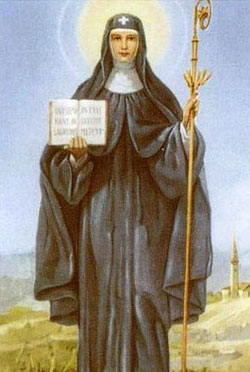


இதன்பிறகு இவர் 37 ஆண்டுகள் துறவியாக வாழ்ந்து வந்தார். இறைப்பற்றிற்கும்  நிர்வாகத் திறனுக்கும் பெயர்போன இவர் பல பெரிய ஆளுமைகளை உருவாக்கினார். அவர்களில் ஒருவர்தான் புனித எதல்பர்கா.

இவ்வாறு ஆண்டவருக்குத் தன்னை அர்ப்பணித்து வாழ்ந்த இவர் 657 ஆம் ஆண்டு இறையடி சேர்ந்தார்.

Feastday: April 3

Burgundofara (Fara) was the daughter of Count Agneric, courtier of King Theodebert II. She refused her father's demands that she marry, and became Abbess of a convent she convinced him to build, and ruled for thirty-seven years. Named Evoriacum, the convent was renamed for her after her death, and in time became the famous Benedictine Abbey of Faremoutiers. She is also known as Fare. Her feast day is April 3rd.

Burgundofara (died 643 or 655), also Saint Fara or Fare, was the founder and first Abbess of the Abbey of Faremoutiers. Her family is knowns as the Faronids, named after her brother Saint Faro. Her name may mean: 'She who moves the Burgundians'.

Colombanus blesses Burgundofara

Jonas of Bobbio's life of Columbanus reports that she was blessed by the Irish monk when a child:

Then Columban went to the city of Meaux. There he was received with great joy by a nobleman Hagneric (Chagneric, father of Burgundofara), who was a friend of Theudebert [King Theudebert II], a wise man, and a counsellor grateful to the king, and was fortified by nobility and wisdom. ... Columban blessed his house and consecrated to the Lord his daughter Burgundofara, who was still a child, and of whom we shall speak later.[2]

Jonas's life of Burgundofara picks up the tale. She is betrothed against her will, and against Columbanus' prediction, and straight away falls deathly sick. Her father Chagneric says to Eustasius of Luxeuil, who happens to be present, "Would that she might return to health and devote herself to divine service!" Burgundofara recovers, thanks to Eustasius's prayers, but her father goes back on his word and decides to give her away in marriage. She discovers this, and flees to the church of Saint Stephen in Meaux. There her brothers Faro and Chagnoald catch her, and are set on killing her for disobeying their father Chagneric, but the timely arrival of Eustasius settles matters.

With Eustasius's support, and the approval of Bishop Gundoald of Meaux, Burgundofara established an abbey on her father's lands. First called Evoriacum, it was later renamed Faremoutiers in her honour.

Studies of Burgundofara's life, and those of noble heiresses in similar situations, lead some writers to conclude that in fact the abbey was very likely established with her father's blessing,[3] and the supposed parental insistence upon her marriage may have been no more than a front, especially if the marriage was proposed by the King. An edict of King Chilperic I a generation earlier had favoured the claims of daughters in inheritance over those of uncles and nephews, making the marriage of an heiress of considerable importance to the wider family.

The feast of Saint Burgundofara is celebrated on 3 April, probably in error. At Faremoutiers, she was commemorated on 7 December.


Saint Luigi Scrosoppi of Udine


Also known as

Aloisius, Aloysius


Profile

Youngest of three brothers born to Domenico Scrosoppi, a jeweler, and Antonia Lazzarini; his brother Carlo was ordained when Luigi was six, and his brother Giovanni several years later. When Luigi was 11 or 12 years old, his home region was struck by drought, famine, typhus, and smallpox in quick succession; the sight of such misery, complete poverty, and the number of orphans had a lasting effect on the boy.


In his teens, Luigi felt a call to the priesthood, and he entered the same seminary as his brother Giovanni. Deacon in 1826; ordained on 31 March 1827 at the cathedral in Udine; he was assisted at his first Mass by his brothers.


Director of the Pious Union of the Heart of Jesus Christ. Helped manage the children's center run by his brother Carlo. Franciscan tertiary. Assistant director of Carlo's orphanage in 1829. The orphanage fell on harder times than usual; Luigi, in desperation, hit the streets to beg for their support, and the school soon had a great lesson in faith - and enough money to buy their building.


As there were more orphans than space, the brothers decided to enlarge the house; Luigi went through the countryside to beg building materials and labor. Work began in 1834 with Luigi coordinating, begging, supervising, and working construction; it was completed in 1836, and named the House for the Destitute. That year also saw another cholera epidemic, and the orphanages, again, were full.


The need of the orphans, and the constant work of the brother priests, attracted the attention of several area women who were also working with the poor and the abandoned. Among them were Felicita Calligaris, Rosa Molinis, Caterina Bros, Cristina and Amalia Borghese and Orsola Baldasso. These women, under the spiritual direction of Carlo and Luigi, founded what would become the Congregation of Sisters of Providence who taught basic academic subjects and needle crafts. Luigi placed them under the patronage of Saint Cajetan, and the Congregation received final approval from Pope Blessed Pius IX on 22 September 1871.


In 1846 Luigi joined the Oratory of Saint Philip Neri, a congregation devoted to charity and learning; elected provost of the community on 9 November 1856. On 4 October 1854 he finished work on the Rescue Home for abandoned girls. On 7 March 1857 he opened the school and home for deaf-mute girls; sadly, it survived only 15 years. He opened Providence House for his unemployed former students, and he worked in hospitals with the sickest and poorest of patients.


In his later years, Luigi had to combat anti-clerical sentiments that swept through the Italian peninsula during the political unification of the country; many houses and groups, including the Oratory, were seized, closed, and their assets sold off. While he could not save the Oratory or parish property, Luigi did protect his charitable institutions, and saw the Congregation grow and spread.


Born

4 August 1804 at Udine Italy


Died

3 April 1884 at Udine Italy of fever and the postulant skin disease pemphigus


Canonized

• 10 June 2001 by Pope John Paul II

• his canonization miracle was the cure of a Zambian AIDS victim, Peter Changu Shitima in 1996


Blessed Maria Teresa Casini


Also known as

Sister Maria Serafina of the Heart of Jesus Pierced


Additional Memorial

29 October (Oblate Sisters of the Sacred Heart of Jesus; diocese of Frascati, Italy; based on the date of her baptism)


Profile

Born to a wealthy family, the eldest daughter of Tommaso Casini, an engineer, and Melania Rayner, she was baptized at the age of two days at the cathedral of Frascati, Italy. Her father died when Teresa was about ten years old, and she and her mother moved in with her maternal grandparents. In 1875 she began studying at the school at Santa Rufina in Rome, Italy, which was run by Society of the Sacred Heart nuns. Teresa early felt a call to religious life, and though she had a number of set-backs due to health problems, and faced some family opposition, she entered Poor Clare Sepolte Vive monastery in Rome on 2 February 1885, taking the name Sister Maria Serafina of the Heart of Jesus Pierced.


Poor health caused her to leave the cloister on 2 December 1886. She returned to her family, and spent as much time as she could in prayer in the chapel of the Sacred Heart in the parish church of San Rocco in Frascati. The church and chapel were badly neglected, and Sister Maria worked to restore them. All the while, she kept hearing in inner voice calling her to console the sufferings of the Heart of Jesus, particularly those caused by faithless or undisciplined priests. With this as her goal, and on the advice of her spiritual director, she became part of the community called True Lovers of the Heart of Jesus. When the group's leader died, Sister Maria gathered everal like-minded sisters, and using her inheritance, on 2 February 1894 she founded the Victims of the Sacred Heart as a cloistered community. They received diocesan approval on 1 April 1896.


With the encouragment of their bishop, Cardinal Francesco Satolli, in the early 20th century the Victims moved from being a clositered order to an active one, working to help priests in their parishes. They founded a school for girls in 1910. On 1 November 1916 changed its name to the Oblate Sisters of the Sacred Heart of Jesus to better reflect their status and mission. In 1925 she starting working with the Little Friends of Jesus, which educated boys, helped support vocations, and later expanded to assist priests with health problems.


Late in 1925 Mother Maria's health collapsed completely, and she was eventually paralyzed for the final decade of her life. She never stopped working, running the Sisters from bed, meeting, teaching and consoling sisters, priests and seminarians until the end. The Oblate Sisters continue their good work today, assisting and supporting priests and vocations in Italy, the United States, Brazil, Peru and Guinea-Bissau.


Born

27 October 1864 in Frascati, Italy


Died

• around 5am on 3 April 1937 at Oblate monastery on the via del Casaletto in Grottaferrata, Rome, Italy of natural causes

• buried in the chapel of the Zealots of the Sacred Heart in a nearby cemetery

• re-interred at the Generalate of the Oblates of the Sacred Heart in Grottaferrata on 20 May 1965


Beatified

• 31 October 2015 by Pope Francis

• beatification recognition celebrated at the Piazza San Pietro at the cathedral in Frascati, Italy, presided by Cardinal Angelo Amato

• her beatification miracle involved the 25 – 27 June 2003 healing of the brain lesions and trauma of Jacob “Jack” Ronald Sebest, a five year old drowning victim in Youngstown, Ohio


Saint Richard of Chichester

சிச்செஸ்டர் நகர் புனிதர் ரிச்சர்ட் 

சிச்செஸ்டர் ஆயர்:

பிறப்பு: கி.பி. 1197

ட்ராய்ட்விச், வொர்செஸ்டெர்ஷைர், இங்கிலாந்து

இறப்பு: ஏப்ரல் 3, 1253 

டோவர், கென்ட், இங்கிலாந்து

ஏற்கும் சமயம்:

ரோமன் கத்தோலிக்க திருச்சபை

புனிதர் பட்டம்: ஜனவரி 25, 1262

திருத்தந்தை நான்காம் அர்பன்

நினைவுத் திருநாள்: ஏப்ரல் 3

பாதுகாவல்:

குதிரை வண்டி ஓட்டுனர் (Coachmen), 

சிசெஸ்டர் மறைமாவட்டம் (Diocese of Chichester),

சஸ்செக்ஸ் (Sussex), இங்கிலாந்து (England)

புனிதர் ரிச்சர்ட், "சிசெஸ்டர்" மறை மாவட்ட (Bishop of Chichester) ஆயர் ஆவார். இவர் பெயரில் அர்ப்பணிக்கப்பட்டிருந்த "சிசெஸ்டர்" மறை மாவட்ட பேராலயம் ஒன்று மிகவும் அலங்கரிக்கப்பட்ட திருத்தலமாக இருந்தது. கி.பி. 1538ம் ஆண்டு, அரசன் எட்டாம் ஹென்றியின் (Henry VIII) ஆட்சியின்போது, "தாமஸ் குரோம்வெல்" (Thomas Cromwell) என்பவனது உத்தரவின்பேரில் இத்திருத்தலம் சூறையாடி அழிக்கப்பட்டது.

இப்புனிதர், கி.பி. 1197ம் ஆண்டு, இங்கிலாந்து நாட்டில் உள்ள "வொர்செஸ்டெர்ஷைர்" (Worcestershire) என்ற இடத்தில் பிறந்தார். இவர் பிறந்த சிறிது காலத்திலேயே இவரது பெற்றோர் இறந்துவிட்டனர். இவரது தந்தையின் தோட்டங்கள், வாரிசான இவரது மூத்த சகோதரருக்கு போனது. ஆனால், தந்தையின் மரண அத்தாட்சி சான்றிதழுக்காக கட்ட வேண்டிய வரிப்பணம் இவர்களிடம் இல்லாததால் சொத்துக்கள் கைவிட்டுப் போயின. இவர்கள் வறியவர்கள் ஆனார்கள். ரிச்சர்ட் ஒரு தோட்டத்தில் பணியாற்றினார்.

ஆக்ஸ்ஃபோர்ட் (University of Oxford) பல்கலைகழகத்தில் கல்வி கற்ற ரிச்சர்ட், பின்னர் அதே பல்கலையிலேயே கற்பிக்கும் பணியும் செய்தார். அங்கிருந்து பாரிஸ் (Paris) நகருக்கும், பின்னர் "பொலொக்னா" (Bologna) நகருக்கும் சென்றார். அங்கே, தமது சமய சட்ட விதிமுறைகளின் திறமையால் மேன்மை பெற்றார். கி.பி. 1235ம் ஆண்டு இங்கிலாந்து திரும்பிய இவர் ஆக்ஸ்ஃபோர்ட் பல்கலைகழகத்தின் வேந்தராக தேர்வு செய்யப்பட்டார்.

கி.பி. 1240ம் ஆண்டு, மதகுருவாக் முடிவெடுத்த ரிச்சர்ட், "ஒர்லியான்" (Orléans) மாநிலத்திலுள்ள "டோமினிக்கன்" (Dominicans) சபையில் இரண்டு வருடங்கள் இறையியல் கற்றார். இங்கிலாந்து திரும்பிய அவர், :சாரிங்" மற்றும் "டீல்" (Charing and at Deal) ஆகிய பங்குகளின் பங்குத்தந்தையாக நியமிக்கப்பட்டார். ஆனால், விரைவிலேயே "காண்டர்பரி'யின்" (Canterbury) வேந்தராக பேராயர் "போனிஃபேஸ்" (Boniface of Savoy) நியமிக்கப்பட்டார்.

கி.பி. 1244ம் ஆண்டு, ரிச்சர்ட் "சிசெஸ்டர்" மறைமாவட்டத்தின் ஆயராக (Bishop of Chichester) தேர்வு செய்யப்பட்டார். திருத்தந்தை "நான்காம் இன்னொசென்ட்" (Innocent IV) அவருக்கு மார்ச் மாதம் கி.பி. 1245ம் ஆண்டு, "லியோன்ஸ்" (Lyons) நகரில் ஆயராக அருட்பொழிவு செய்வித்தார்.

ரிச்சர்டின் தனிப்பட்ட வாழ்க்கை மிகவும் கடினமானதாக இருந்தது. எளிமை, பணிவு, தாழ்ச்சி, அடிபணிதல் ஆகியவற்றின் எடுத்துக்காட்டாக வாழ்ந்தார். ஆடம்பரங்களை அறவே வெறுத்த அவர், தமது உணவு முறைகளைக்கூட மிகவும் எளிதானாதாகவே வைத்திருந்தார். புலால் உண்பதை முழுதும் தவிர்த்தார். காய்கறி வகைகளையே உண்டார்.

வட்டித்தொழில் செய்வோர், ஊழல் செய்யும் மறை பணியாளர்கள் மற்றும் தெளிவாக அல்லாது முணுமுணுப்பாக திருப்பலி நிறைவேற்றும் மதகுருமார் ஆகியோரை வெறுத்தார். அவர்கள்மீது இரக்கமற்ற விதமாக நடவடிக்கை எடுத்தார்.
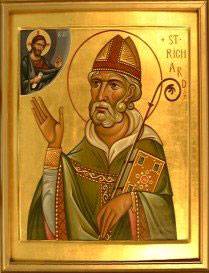

56 வயதான ரிச்சர்ட், கி.பி. 1253ம் ஆண்டு, ஏப்ரல் மாதம், மூன்றாம் நாளன்று, டோவர் (Dover) என்னுமிடத்திலுள்ள புனித எட்மண்ட் சிற்றாலயத்தை (St. Edmund's Chapel) அர்ச்சித்ததன் பின்னர், திருத்தந்தையின் உத்தரவின்படி, சிலுவைப்பாடுகளை பிரசங்கித்துக்கொண்டிருந்தார். பிரசங்கத்தின் இடையில் அவர் மரணமடைந்தார்.

Also known as

• Richard de Wych

• Richard Backedine

• Richard of Wich


Profile

Second son of Richard and Alice de Wych. His father died when the boy was young. The family fell upon hard times, but as soon as he became old enough, Richard took over management of their estates and brought them back to profit. Educated at Oxford, England, in Paris, France, and in Bologna, Italy. Chancellor of Oxford University. Legal advisor to Saint Edmund Rich and Saint Boniface of Savoy, the Archbishops of Canterbury. Priest. Bishop of Chichester. Miracles and cures occured at his shrine in Chichester. His patronage of coachmen began with the Milanese Guild of Coachmen, possibly because Richard drove carts and wagons on the family farm.


Born

c.1197 at Droitwich, Worcestershire, England as Richard de Wych


Died

3 April 1253 at Dover, Kent, England of natural causes


Canonized

1262 by Pope Urban IV at Viterbo, Papal States (part of modern Italy)


Blessed Gandulphus of Binasco


Also known as

• Gandulphus Sacchi

• Gandulphus of Polizzi Generosa

• Gandulphus of Polizzo

• Gandolf, Gandolfo, Gandulf


Additional Memorial

relics processed in Polizzi Generosa, Italy on the 3rd Sunday of September


Profile

Born to the nobility, a member of the wealthy and powerful Sacchi family. He joined the Franciscans while Saint Francis was still alive, and made his final vows c.1224. Priest. Father Gandulphus spent his life praying and preaching throughout Sicily. Founded the Franciscan convent at Termini Imerese, Italy in 1256. He cured a young mute man outside Polizzi Generosa, Italy in 1260 which led to his preaching having great affect on the local people.


Born

c.1200 at Binasco, Lombardy, Italy


Died

• Holy Saturday 3 April 1260 at the San Nicolò Hospital in Polizzi Generosa, Sicily, Italy of natural causes

• legend says that birds gathered to sing in the church where his body was laid out

• relics enshrined in a wooden reliquary in Polizzi soon after his death

• relics re-enshrined in a marble ark in 1482

• relics re-enshrined and the reliquary covered in silver leaf in 1549


Beatified

10 March 1881 by Pope Leo XIII (cultus confirmation)


Blessed Juan Otazua y Madariaga


Also known as

Juan de Jesús y María


Profile

Member of the Trinitarians, beginning his novitiate at the Shrine of Bien Aparecida in Cantabria, Spain, and making his simple vows on 11 October 1914. He studied at several convents, and made his final profession on 17 May 1918 in Cordoba, Spain. Ordained a priest in Madrid, Spain on 23 October 1921, he began to serve at the church of Sant’Ignazio de Loyola dei vaschi. A musician familiar with several instruments, Father Juan was an excellent cello player.


On 13 March 1936, the church was burned by anti–Christian forces in the Spanish Civil War. The Trinitarians left their convent, sought shelter with locals, and Father Juan was assigned to the Sanctuary of the Virgin of Cabeza. On 28 July 1936 the Trinitarians were expelled from the Sanctuary by Communist forces, and Juan found shelter with the Duke de la Quinteria in Andújar, Spain. In the spring of 1937, the Communists imprisoned him, tried him for the crime of being a priest, sentenced him to 20 years in prison, but decided instead to execute him for the offense of his vocation. Martyr.


Born

8 February 1895 in Rigoitia, Vizcaya, Spain


Died

shot at dawn on 3 April 1937 in the cemetery of Mancha Real, Jaén, Spain


Beatified

28 October 2007 by Pope Benedict XVI


Saint Liutberga of Windenhausen


Also known as

• Liutberga of Michaëlstein

• Liutberga of Rosstreppe

• Liutberga of Thale

• Liutberga of Wendhausen

• Leutpurga, Liudbirg, Liutbirg, Liutbirga, Liutburga, Luitberga, Luitburg, Lutberga, Lutbirg


Profile

Born to the nobility, related to Duke Hessi of Ostfalen. Noted by the nobles for her exceptional skill at managing the estates and houses of her family, and by the poor for her almsgiving and care for the sick and dying as she travelled from estate to estate. She spent her days managing the estates and caring for the needy, and her nights in prayer. In her later years, she retired to the convent at Wendhausen, Germany and with the approval of Bishop Thiatgrim von Halberstadt, eventually was locked into a cell next to the church of the cloister, and lived the rest of her life as an anchoress, praying, doing penance, and giving wisdom and spiritual training to any who visited her, rich and poor, lay, ordained and consecrated. Reported to have had the gift of prophesy. A monk of her aquaintance was so impressed by her piety that he wrote a biography of her soon after her death.


Born

in Solszburg in the area of Sulzgau, Bavaria (in modern Germany)


Died

of natural causes in Thale near Magdeburg in Saxony-Anhalt (in modern Germany) on 3 April; the year is variously recorded as 863, 865, 876, 882 or sometimes just c.870


Blessed Francisco Solís Pedrajas


Profile

Born to a poor and pious family. Ordained a priest in the diocese of Jaén, Spain on 22 December 1900. Served six years in the parish of Santiago Apóstol in Valdepeñas de Jaén, Spain while earning a degree in theology. Known in all his postings as "a learned, zealous and pious pastor". Archpriest of Mancha Real, Spain in 1914. Founded a Catholic Union. Established men's and women's branches of Catholic Action. Imprisoned with other priests and parishioners at the outbreak of the anti–Christian persecutions of the Spanish Civil War, Father Francesco ministered as best he was allowed to the physical and spiritual needs of his fellow prisoners. Sentenced to death for the crime of being a priest, he was the last of his group of prisoners to be murdered as none of the men wanted to shoot him; he took advantage of this to hear confessions and give absolution to the other prisoners. Martyr.


Born

9 July 1877 in Marmolejo, Jaén, Spain


Died

• shot at dawn on 3 April 1937 in the parish cemetery of Mancha Real, Jaén, Spain

• body dumped into a common grave in the cemetery


Beatified

• 27 October 2013 by Pope Francis

• beatification recognition celebrated at Tarragona, Spain


Blessed Laurentius Pak Chwi-deuk


Also known as

Lorenzo Pak Chwi-deuk


Additional Memorial

20 September as one of the Martyrs of Korea


Profile

Layman convert to Christianity in the apostolic vicariate of Korea. Zealous about his new found faith, he learned the catechism, then returned to his home village to try to convert his family and neighbors. When the anti–Christian Sinhae persecutions began in 1791, he protested the arrest of other Christians, and visited them in prison; for this, he was imprisoned for several weeks. When the anti–Christian Jeongsa persecutions began in 1797, Lawrence was ordered arrested; he went into hiding, but when the persecutors arrested his father in his place, Lawrence surrendered. He was imprisoned for two years and repeatedly tortured; records indicate that, along with other forms of torture, he received over 400 beatings. When the authorities questioned him, he would simply explain points of Catholic doctrine no matter what they had asked him. They finally gave up trying to break him, and simply killed him instead. Martyr.


Born

c.1769 in Myeoncheon, Chungcheong-do, South Korea


Died

hanged on 3 April 1799 in Hongju, Chungcheong-do, South Korea


Beatified

16 August 2014 by Pope Francis at Gwanghwamun Square, Seoul, South Korea


Pope Saint Sixtus I


Also known as

Xystus I


Profile

Little known about his life before he was chosen seventh pope in 116. He concerned himself with the liturgy, and instituted elements still in use today. He decreed that only priests may touch the sacred vessels, that bishops returning from the Apostolic See to their dioceses must present Apostolic letters, and that the priest shall recite the Sanctus with the people during the Mass. Reigned during the persecutions of the Roman emperor Trajan. Martyr.


Born

Rome, Italy


Papal Ascension

116


Died

125 in Rome, Italy


Saint Joseph the Hymnographer


Also known as

Joseph of the Studium


Profile

Born to Christian parents. He fled Sicily in 830 due to Arab invasion, and became a monk in Thessalonica. He joined the monastery of the Studium in Constantinople, but was forced to flee Constantinople in 841 due to iconoclast persecution. On his way to Rome, Italy he was captured by pirates and spent several years as a slave in Crete. He ministered to his fellow slaves, converting many. He finally managed to escape and return to Constantinople where he founded a monastery. When he opposed the Iconoclast emperor Theophilus, Joseph was exiled to the Chersonese. Bishop of Salonica. One of the great liturgical poets and hymnists of the Byzantine Church, credited with approximately 1,000 works.


Born

c.810 in Sicily


Died

886 of natural causes


Blessed Piotr Edward Dankowski


Also known as

Peter Edward Dankowski


Additional Memorial

12 June as one of the 108 Martys of World War II


Profile

Priest in the Archdiocese of Kraków, Poland. Vicar of the parish of Zakopane, he was known for his service to the people, especially the poor. During World War II he helped escapees hiding from the Nazis. Arrested in May 1941 and sentenced to the extermination camp in Oswiecim (Auschwitz). Martyr.


Born

21 June 1908 in Jordanów, Malopolskie, Poland


Died

Good Friday, 3 April 1942 in Oswiecim (Auschwitz), Malopolskie, Poland


Beatified

13 June 1999 by Pope John Paul II in Warsaw, Poland


Saint Urbicius of Clermont


Also known as

Ubricius, Urbice, Urbicus, Urbique, Urbitius


Profile

Born a member of an imperial Roman senatorial family, Urbicius was drawn to the Church and lived a pious married life. His reputation for learning and piety led to him being chosen the second bishop of the diocese of Clermont in the Auvergne region of modern France in 288; his wife entered a convent and he went to his diocese. However, his wife was unsatisfied with her new life, left the convent, returned to Urbicius and said she did not wish to give up married life. Seeing her, Urbicius realized how much he had missed her, and let her move in with him; they told people she was his sister who was there to keep house for him. The bishop‘s conscience soon got the best of him, and he left both wife and diocese to live in penance in a nearby monastery.


Died

c.312 of natural causes


Blessed John of Penna


Also known as

• Juan de Pina

• Juan da Penna San Giovanni

• Giovanni, Johannes


Additional Memorial

31 October (Franciscans)


Profile

Joined the Franciscan in Recanati, Italy c.1213. Priest. Founded several Franciscan houses in Provence, France during a 25 year apostolate there. Returned to Italy in 1242, and lived the bulk of his remaining 30 in cloistered retirement. Experienced many highs and lows in his spiritual life, with lengthy periods of aridity and doubt, but periods of ecstacies, visions, and mystic union. Had the gift of prophecy.


Born

c.1193 at Penna San Giovanni, diocese of Fermo, Italy


Died

3 April 1271 at Recanati, Italy


Beatified

20 December 1806 by Pope Pius VII (cultus confirmed)


Martyrs of Greece


Profile

A group of young Christian men who protested to city authorities that gifts to temples of pagan gods should be used to feed the poor during a regional famine. When the officials refused, the group went to local temples, broke up the idols and fixtures, and gave the gold and silver bits to the poor to use to buy food. The group was imprisoned and executed. The only other thing we know about these martyrs are the names – Bythonius, Elpideforus, Dius and Galycus


Died

3rd century at an unknown location in Greece


Blessed José Luciano Ezequiel Huerta-Gutiérrez


Profile

Married layman and father in the archdiocese of Guadalajara, he worked as a mechanic. Brother of Blessed José Luciano Ezequiel Huerta-Gutiérrez. Noted for his devotion to the Eucharist and attendance at daily Mass. Imprisoned, tortured and executed in the persecutions of the Mexican Revolution. Martyr.


Born

18 March 1880 in Magdalena, Jalisco, Mexico


Died

shot on 3 April 1927 in the cemetery in Mezquitán, Jalisco, Mexico


Beatified

20 November 2005 by Pope Benedict XVI


Blessed José Salvador Huerta-Gutiérrez


Profile

Married layman and father in the archdiocese of Guadalajara, he worked as a mechanic. Brother of Blessed José Luciano Ezequiel Huerta-Gutiérrez. Noted for his devotion to the Eucharist and attendance at daily Mass. Imprisoned, tortured and executed in the persecutions of the Mexican Revolution. Martyr.


Born

18 March 1880 in Magdalena, Jalisco, Mexico


Died

shot on 3 April 1927 in the cemetery in Mezquitán, Jalisco, Mexico


Beatified

20 November 2005 by Pope Benedict XVI


Blessed Thurstan Hunt


Also known as

Thurstan Greenlow


Additional Memorials

• 29 October as one of the Martyrs of Douai

• 22 November as one of the Martyrs of England, Scotland, and Wales


Profile

Priest in the apostolic vicariate of England. Martyred in the persecutions of Queen Elizabeth I.


Born

c.1555 Carlton Hall, Leeds, West Yorkshire, England


Died

late March 1601 in Lancaster, Lancashire, England


Beatified

22 November 1987 by Pope John Paul II


Saint Nicetas of Medicion


Also known as

• Nicetas of Constantinople

• Nicetas the Confessor

• Niketas, Nikita


Profile

Monk and abbot of Medicion Abbey in Bithynia (in modern Turkey). He and his brother monks suffered in the persecutions of iconclast Emperor Leo, and he was imprisoned for many years.


Born

Bithynia (in modern Turkey)


Died

824 of natural causes


Saint Thiento of Wessobrunn


Also known as

Tientone


Profile

Benedictine monk. Abbot of Saints Peter and Paul abbey at Wessobrunn in Bavaria (in modern Germany). Martyred along with six of his brother monks by invading Hungarians.


Died

955 in Wessobrunn, Bavaria, Germany


Blessed Robert Middleton


Additional Memorial

22 November as one of the Martyrs of England, Scotland, and Wales


Profile

Jesuit priest in the apostolic vicariate of England. Martyred in the persecutions of Queen Elizabeth I.


Born

1571 in York, North Yorkshire, England


Died

late March 1601 in Lancaster, Lancashire, England


Beatified

22 November 1987 by Pope John Paul II


Blessed Iacobus Won Si-bo


Also known as

Jacob


Additional Memorial

20 September as one of the Martyrs of Korea


Profile

Layman martyr in the apostolic vicariate of Korea.


Born

1730 in Hongju, Chungcheong-do, South Korea


Died

3 April 1799 in Cheongju, Chungcheong-do, South Korea


Beatified

15 August 2014 by Pope Francis


Blessed Alexandrina di Letto


Profile

Joined in the Poor Clares at age 15. Founded a Poor Clare convent in Foligno, Italy in 1423, served as its first abbess. Known for her reforms that emphasized Franciscan spirituality, she has the support of Pope Martin V.


Born

in 1385 in Sulmona, Italy


Died

1458 of natural causes


Saint Vulpian of Tyre


Also known as

Ulfianus, Ulpian, Ulpiano, Ulpianus, Vulpianus


Profile

Martyred in the persecutions of Diocletian and Maximian Galerius.


Born

Syria


Died

sewed up in a leather sack with a serpent and a dog and then thrown into the sea to drown in 304 at Tyre, Lebanon


Saint John I of Naples


Profile

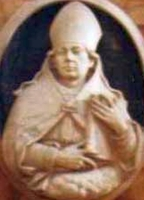
Fifth-century bishop of Naples, Italy. Translated the body of Saint Januarius to Naples.


Born

Campania, Italy


Died

Holy Saturday night in 432 of natural causes


Saint Illyricus the Wonder Worker


Also known as

Illyricus Thaumaturgos


Profile

Monk. Hermit on a mountain near Pyrgos, Elis, Greece where his reputation for holiness, and as a miracle worker, caused many other monks to seek him out as a spiritual teacher.


Saint Agatho of Thessalonica


Also known as

Agathon


Profile

Convicted of possessing the Scriptures despite a prohibition issued in 303 by Emperor Diocletian. He was ordered to sacrifice to pagan gods; he refused. Martyr.


Died

c.304 in Thessalonica, Greece


Saint Eutychia of Thessalonica


Profile

Widow. During the persecutions of Diocletian and governor Dulcetius, Eutychia was exposed as a Christian when she refused to eat meat that had been sacrificed to idols. Martyr.


Died

c.304 in Thessalonica, Greece


Saint Philippa of Thessalonica


Profile

Convicted of possessing the Scriptures despite a prohibition issued in 303 by Emperor Diocletian. She was ordered to sacrifice to pagan gods; she refused. Martyr.


Died

c.304 in Thessalonica, Greece


Saint Casia of Thessalonica


Profile

Convicted of possessing the Scriptures despite a prohibition issued in 303 by Emperor Diocletian. She was ordered to sacrifice to pagan gods; she refused. Martyr.


Died

c.304 in Thessalonica, Greece


Saint Benatius of Kilcooley


Profile

Mentioned in early Irish martyrologies, but no details about him have survived.


Patronage

Kilcooley (Cill-Chuile; Kill-Chuile), County Roscommon, Ireland


Saint Attala of Taormina


Also known as

Attalus of Taormina


Profile

Benedictine monk and then abbot of a monastery in Taormina, Sicily.


Died

c.800


Saint Donatus of Nicomedia


Profile

Martyr.


Died

Nicomedia, Bitynia (in modern Turkey)


Saint Agathamerus of Mysia


Profile

Martyr.


Died

1st century Mysia (in modern Turkey)


Saint Comman


Profile

Son of Domangen. Listed in the 9th century Irish martyrologies, but no other information has survived.


Martyrs of Tomi


Profile

Nine Christians who were martyred together. We know nothing else about them but the names – Arestus, Benignus, Chrestus, Evagrius, Papo, Patricius, Rufus, Sinnidia and Zosimus.


Died

at Tomi, Scythia (modern Constanta, Romania)


31 மார்ச் 2026

இன்றைய புனிதர்கள் ஏப்ரல் 01

  St. Walericus


Feastday: April 1

Death: 622


Benedictine abbot, also called Valery. He served under St. Columbanus at the famed monastery of Luxeuil, in France, and was the founder of the monastic community of Leuconay, on the Somme River.


Life

Walaric was born in the Auvergne to a peasant family. Taught to read at a young age, he abandoned the occupation of tending sheep to join the abbey of Autumo. He later moved on to the abbey of Saint-Germain d'Auxerre and finally the abbey of Luxeuil under the famous abbot Columbanus. At Luxeuil he was renowned for his horticultural skills. His ability to protect his vegetables from insects was regarded as miraculous.[1]


When Theuderic II, king of Burgundy (r. 595–613), expelled Columbanus from his domains, Walaric and a fellow monk named Waldolanus left the kingdom to preach the gospel in Neustria and, according to tradition, the Pas-de-Calais. He eventually settled down as a hermit at a place called Leuconay near the mouth of the Somme River. A community of disciples grew up around him. After his death, his successor Blitmund (Blimont) built a monastery for the community, which came to bear Walaric's name. The village that developed around the monastery still does: Saint-Valery-sur-Somme.[1]


Memory


Walaric's abbey in the 17th century

A biography (saint's life) of Walaric was composed in the 11th century. It was wrongly attributed to a certain Raginbertus.[1]


The so-called "Valerian prophecy" was a legend originating in Walaric's abbey and the abbey of Saint-Riquier intended to refute the claims of the early 11th-century Historia Francorum Senonensis that the Capetian dynasty were illegitimate usurpers. According to the legend, Walaric appeared in a vision to Hugh Capet (r. 987–996), the first Capetian, and thanked him for rescuing his body from the Carolingians. He prophesied that the kingdom of France would belong to Hugh's heirs "until the seventh generation". Interpreted figuratively, the number seven signified perfection and thus eternity; interpreted literally, it meant that the Philip Augustus (r. 1180–1223) would be the last Capetian.[2]


Cures were claimed from an early date at Walaric's tomb. Duke William II of Normandy had Walaric's relics put on public display and invoked his name in a prayer for a favourable wind for his invasion of England. The invasion fleet sailed from Saint-Valery-sur-Somme in 1066.[1]


Walaric's cult thus spread to England, where a chapel in Alnmouth was dedicated to him in the 12th century. His feast day was celebrated on 1 April in Chester Abbey and Croyland Abbey. King Richard I of England (r. 1189–1199) transferred his relics from Saint-Valery-sur-Somme to Saint-Valery-en-Caux. His translation (transfer of relics) was celebrated in Chester and Croyland on 12 December. His abbey in Saint-Valery-sur-Somme, however, later recovered his relics.[1]


The English village of Hinton Waldrist is named after its 12th-century lord, Thomas de Saint-Valery


St. Cellach


Born 1080

Ireland

Died 1129

Munster, Ireland

Venerated in Roman Catholicism

Feast 1 April

Cellach of Armagh or Celsus or Celestinus (1080–1129) was Archbishop of Armagh and an important contributor to the reform of the Irish church in the twelfth century. He is venerated in the Roman Catholic Church as Saint Cellach. Though a member of the laicised ecclesiastical dynasty of Clann Sínaig, he took holy vows and gained priestly ordination. This put an end to the anomalous state of affairs, in effect since 966, whereby the supreme head of the Irish Church had been a layman.[1] Following the Synod of Ráith Bressail, in which a diocesan structure for Ireland was established, he became the first metropolitan primate of all Ireland.


Early life and background

Cellach was the son of Áed mac Máele Ísu meic Amalgada of the Clann Sínnaig. Áed had been abbot of Armagh and Coarb Pátraic ("heir" or "successor" of Saint Patrick; head of the church of Armagh) from 1074 to 1091. The Clann Sínaig, of the Uí Echdach sept of the Airthir in Airgialla, had monopolised the office of abbot of Armagh since 966. In later historiography Clann Sínaig has been associated with the type of secularisation that made a church reform necessary, described by Marie Térèse Flanagan as an "hereditarily entrenched laicized ecclesiastical dynasty" and even less flatteringly denounced by Bernard of Clairvaux as that "generatio mala et adultera


Saint Ludovico Pavoni


Also known as

Ludovic Pavoni


Profile

Trained in theology by the Dominican Father Carlo Ferrari, future bishop of Brescia, Italy. Ordained in 1807. Founded an Oratory for Christian education of poor boys in Brescia. Secretary to bishop Gabrio Nava in 1812.


Rector of Saint Barnabas church in 1818 where soon after he founded an orphanage and associated trade school, basing his work on the idea that improving social conditions will improve the spiritual life, and improving the spiritual life will improve social conditions. In 1821 the school became the Institute of Saint Barnabas. Along with carpentry, silversmithing, blacksmithing, shoemaking, agriculture, and tool and dye makers, the school stressed the trades of printing and publishing. In 1823 Ludivico established The Publishing House of the Institute of Saint Barnabas; it exists today under the name Ancora. That same year, the school began taking in deaf and mute students.


In 1825 he founded a religious congregation of priests and brothers to run the school; it became the Sons of Mary Immaculate (Pavoniani or Pavonians). Pope Gregory XVI authorized it for Brescia in 1843, and on 8 December 1847, Ludovico and the first members made their religious profession. Today there are 210 members in Brazil, Colombia, Eritrea, Germany, Italy and Spain, and they still publish books.


On 24 March 1849, Brescia was in rebellion against the Austrians. Both sides were ready to pillage the city and Father Ludovico led his boys to safety at Saiano, seven miles away. He died a week later as Brescia was in flames, but his boys were safe.


Born

11 September 1784 at Brescia, Italy


Died

Palm Sunday, 1 April 1849 at Saianco, Italy of natural causes


Beatified

• 14 April 2002 by Pope John Paul II

• the beatification miracle involved the 1909 cure of Maria Stevani from typhoid fever


Canonized

16 October 2016 by Pope Francis


Saint Mary of Egypt

எகிப்து_நாட்டுப்_புனித_மரியா (344-421)

ஏப்ரல் 01

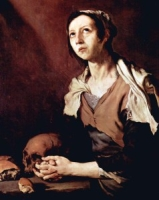
இவர்(#StMaryOfEgypt) எகிப்திலிருந்த ஒரு செல்வ செழிப்பான குடும்பத்தில் பிறந்தவர்.

இவருக்கு பன்னிரண்டு வயது நடக்கும்போது குடும்பத்திலிருந்து தப்பியோடி, அலெக்சாந்தரியாவுக்குச் சென்றார். அங்கு இவர் ஏறக்குறைய பதினேழு ஆண்டுகள் மிகவும் தாறுமாறாக வாழ்ந்து வந்தார். அதன்பிறகு இவர் எருசலேமுக்குச் சென்று அங்கும் தாறுமாறாக வாழ முடிவு செய்தார்.

இந்த எண்ணத்தோடு இவர் எருசலேமிலுள்ள கல்லறை கோயிலுக்குள் நுழைய முற்பட்ட போது, இவரால் அதில் நுழைய முடியவில்லை. அப்பொழுது இவர் 'என்னுடைய தவறான வாழ்க்கையால்தான் என்னால் இக்கோயிலுக்குள் நுழைய முடியவில்லை' என நினைத்து மிகவும் வருந்தி அழுதார். 

இதன் பிறகு இவர் கோயிலுக்குள் நுழைந்த பொழுது, இவரால் மிக எளிதாக நுழைய முடிந்தது.  அந்நேரத்தில் புனித கன்னி மரியா இவருக்கு தோன்றி,  "நீ யோர்தான் ஆற்றை கடந்து, அங்குள்ள பாலைநிலத்தில் தவ வாழ்க்கை வாழ்" என்று சொல்ல, இவரும் அவ்வாறே வாழ்ந்தார்.

ஏறக்குறைய 50 ஆண்டுகள் தவ வாழ்க்கை வாழ்ந்த பிறகு ஜோசிமுஸ் என்பவர் இவரைச்  சந்தித்தார். அவரிடம் இவர், "அடுத்த ஆண்டு இதே நாளில் நான் இறந்து விடுவேன்; நீங்கள் வந்து என்னை நல்லடக்கம் செய்துவிடுங்கள்" என்று சொல்ல, அவரும் சரி என்று சொல்லிவிட்டு இவரிடமிருந்து விடைபெற்றார்.

அடுத்த ஆண்டு இவர் சொன்ன நாளில் இறந்திருந்தார். ஜோசிமுஸ்  இவர் இருந்த இடத்திற்கு வந்து இவரை நல்லடக்கம் செய்தார்.

Also known as

Maria Aegyptica


Profile

Beautiful, spoiled, cynical, disenchanted, rich child who was the center of her family's pride, and who repaid them by running away at age 12. She ran to Alexandria, Egypt where she worked as a dancer, singer, and prostitute for 17 years. Around age 30, Mary took ship on a pilgrimage to Palestine, hoping to ply her trade among the pilgrims, and then in Jerusalem.


On the Feast of the Exaltation of the Cross she moved with the crowds to the church, looking for customers. At the church door she found herself invisibliy repelled, unable to open the door; she was overcome with remorse for her life and exclusion from the Church. She repented, and asked for Our Lady‘s guidance; a voice told that to find rest, she should cross the Jordan River. The next day Mary crossed the river, wandered into the desert, and took up the life of a hermit for nearly 50 years as penance.


She lived on herbs, berries, and whatever came to hand. She met Saint Zosimus of Palestine. She once told him to come back exactly one year from that day; when he did, he found she had died. With the help of a lion, Zosimus dug her grave; he later wrote a biography of her, and her life was a popular story in the Middle Ages.


Born

c.344 in Egypt


Died

• c.421 in the desert near the River Jordan of natural causes

• relics at Rome, Naples, and Cremona in Italy, and in Antwerp, Belgium


Saint Melito of Sardis


Also known as

• Melito of Asia

• Meliton, Melitone, Melitus


Profile

Bishop of Sardis, Lydia (part of modern Turkey). Ecclesiastical writer; he wrote an Apology (defense of Christianity) addressed to emperor Marcus Aurelius. Almost nothing else is known about his life.


Died

• c.180 of natural causes

• interred at Sardis, Lydia (part of modern Turkey)


Saint Hugh of Grenoble

கிரனோபிள் புனிதர் ஹக் 

கிரனோபிள் ஆயர்:

பிறப்பு: கி.பி. 1053 

சடீயுநியுஃப்-சுர்-இசெர், ஃபிரான்ஸ்

இறப்பு: ஏப்ரல் 1, 1132 

கிரனோபிள் (Grenoble)

ஏற்கும் சமயம்:

ரோமன் கத்தோலிக்க திருச்சபை

புனிதர் பட்டம்: ஏப்ரல் 22, 1134

திருத்தந்தை 2ம் இன்னொசென்ட் 

நினைவுத் திருநாள்: ஏப்ரல் 1

பாதுகாவல்:

க்ரெனோபிள் (Grenoble), ஃபிரான்ஸ் (France), 

தலை வலியிலிருந்து (Against Headache)

புனிதர் ஹக், கி.பி. 1080ம் ஆண்டிலிருந்து, கி.பி. 1132ம் ஆண்டு, தமது மரணம் வரை, சுமார் ஐம்பத்திரண்டு வருடங்கள் கிரனோபிள் (Grenoble) மறை மாவட்டத்தின் ஆயராக பணியாற்றியவர் ஆவார். அவர், கிரிகோரியன் சீர்திருத்தத்திற்கு ஆதரவாகவும், அதேவேளை "வியென்னாவின் பேராயராகவும்" (Archbishop of Vienne) பின்னாளில் "திருத்தந்தை இரண்டாம் கல்லிக்ஸ்துஸ்" (Pope Callixtus II) அவர்களாகவும் இருந்த "கய்" (Guy of Burgundy) என்பவரை எதிர்த்தார்.

கி.பி. 1053ம் ஆண்டு, ஃபிரான்ஸ் நாட்டின் "சடீயுநியுஃப்-சுர்-இசெர்" (Châteauneuf-sur-Isère) என்ற ஊரில் ஹக் பிறந்தார். ஆழ்ந்த இறைப்பற்று கொண்ட இவர் பெற்றோர், தன் மகனை ஞானத்திலும், அறிவிலும், பக்தியிலும், வளர்த்தார்கள். சிறுவயதிலிருந்தே இறைவனை நாடி செபிப்பதில் இவர் கண்ணும் கருத்துமாய் இருந்தார். இவரது இறைப்பற்றும், ஆன்மீக தாகமும் இவருடன் படித்த மற்ற மாணவர்களுக்கும் ஊரில் உடன் வாழ்ந்த சிறுவர்களுக்கும் எடுத்துக்காட்டாய் இருந்தது. தன்னை துன்புறுத்தியவர்களை மன்னித்து அன்பு செய்வதிலும், மகிழ்ச்சிப்படுத்துவதிலும் சிறந்தவராக இருந்தார்.

தனது பள்ளி படிப்பை முடித்த பிறகு, ஆலய பணிகளில் ஈடுபட்டு புதிய பாடல்களை உருவாக்கி, திருப்பலியில் பக்தியோடு பாடி தனது வாழ்வை ஆலயத்திலேயே செலவழித்தார். அன்றாட கல்வாரி பலியில் பங்கெடுத்தார்.

கி.பி. 1080ம் ஆண்டு நடந்த "அவிக்னான் ஆட்சிமன்ற கூட்டத்தில்" (Council of Avignon) ஹக் க்ரெனோபிள் ஆயராக (Bishop of Grenoble) தேர்வு செய்யப்பட்டபோது, அவர் குருத்துவ அருட்பொழிவு பெற்றிருக்கவில்லை. ரோம் நகரில் நடந்த அருட்தந்தை தொடர்புடைய ஒரு கூட்டத்தில், திருத்தந்தை ஏழாம் கிரகோரி (Pope Gregory VII) அவருக்கு குருத்துவ அருட்பொழிவு செய்வித்தார்.

ஆயராக திருநிலைப்படுத்தப்பட்ட இவர், ஃபிரான்ஸ் நாட்டிலுள்ள க்ரெனோபிள் மறைமாநிலத்தில் பணியாற்றினார். ஆயர் பொறுப்பை ஏற்ற 2 ஆண்டுகளில் ஏராளமான பிரச்சினைகளை சந்தித்தார். க்ரெனோபிள் மறைமாநிலத்தின் சீர்திருத்தப் பணிகளில் ஈடுபட்டு அதில் வெற்றியும் கண்டார்.

ஆயர் பொறுப்பிலிருந்து விலக முயற்சித்த அவர், "க்ளுனி" (Cluny) என்ற இடத்திலுள்ள "பெனடிக்டைன்" துறவு மடத்தில் (Benedictine monastery) இணைந்தார். துறவற மடத்தில் தங்கி, பல மணிநேரம் இறைவனோடு ஒன்றிணைந்திருந்தார். ஆனால், திருத்தந்தையின் உத்தரவுப்படி மீண்டும் இவர் ஃபிரான்ஸிலுள்ள க்ரெனோபிள் மறைமாநிலத்திற்கு சென்று தமது ஆயர் பணிகளைத் தொடங்கினார்.


"கார்தூசியன்" (Carthusian Order) சபையைத் தோற்றுவிப்பதில் இவரும் ஒரு கருவியாக இருந்து பாடுபட்டிருக்கிறார்.

பிறகு கி.பி. 1132ம் ஆண்டு, ஆயர் ஹக் அவர்கள் மரித்தார். இவர் இறக்கும் நிமிடம்வரை "கார்தூசியன்" சபைக்காகவும், தனது க்ரெனோபிள் மறைமாநில மக்களுக்காகவும் கடுமையான ஒருத்தல்களைச் செய்து, இடைவிடாது செபித்தார்.

Also known as

Hugh of Châteauneuf


Additional Memorial

22 April (Carthusian Order)


Profile

Son of a soldier named Odilo, a man known for his Christian life, and who later became a Cistercian monk; his mother was known for her life of prayer and alms-giving. Uncle of Saint Hugh of Bonnevaux. Hugh was an exceptionally good student as a child. Canon in the cathedral of Valence, France at age 25. Bishop of Grenoble, France in 1080 at age 27, consecrated by Pope Gregory VII; he served there for 52 years. He went to Grenoble as a reformer, but after two years, convinced that he had not improved the lives or the holiness of his clergy, he resigned and retired to become a Benedictine monk at Chaise-Dieu in Auvergne, France; after a year of this, Pope Gregory ordered him back to Grenoble. This time his work and his example paid off - large crowds attended his preaching, his clergy brought new zeal to their ministry, the poor were cared for, and religious life had a new start in his diocese. He gave land to Saint Bruno for La Grande Chartruse abbey, and helped him found the Carthusians. Gave both his mother and his 100 year old father their Last Rites. A frequent sufferer of head pain and headaches, which led to his patronage of the problem.


Born

1053 at Chateauneuf, Dauphiné, France


Died

• 1 April 1132 in Grenoble, France of natural causes

• interred in Saint Mary's Cathedral, Grenoble

• relics burned by the Huguenots in the 15th century


Canonized

22 April 1134 by Pope Innocent II during the Council of Pisa


Blessed Anacleto González Flores

 அருளாளர் அனக்லெட்டோ கொன்சாலெஸ் ஃப்ளோரஸ் 

மறைசாட்சி:

பிறப்பு: ஜூலை 13, 1888

டெபடிட்லன், ஜலிஸ்கோ, மெக்ஸிகோ

இறப்பு: ஏப்ரல் 1, 1927 (வயது 38)

குவாடலஜர, ஜலிஸ்கோ, மெக்ஸிகோ

ஏற்கும் சமயம்:

ரோமன் கத்தோலிக்க திருச்சபை

முக்திபேறு பட்டம்: நவம்பர் 20, 2005

திருத்தந்தை பதினாறாம் பெனடிக்ட்

நினைவுத் திருநாள்: ஏப்ரல் 1

அருளாளர் அனக்லெட்டோ கொன்சாலெஸ் ஃப்ளோரஸ் (Blessed Anacleto González Flores), ஒரு மெக்சிகன் கத்தோலிக்க பொதுநிலையினரும், வழக்குரைஞருமாவார். மெக்சிகோ நாட்டின் நாற்பதாவது (40th President of Mexico) ஜனாதிபதியான “புளுட்டரோ எலியஸ் கல்ஸ்” (Plutarco Elías Calles) என்பவரது ஆட்சிக் காலத்தில் நடந்த கிறிஸ்தவர்களின் துன்புறுத்தலில் சிக்கி படுகொலை செய்யப்பட்டார். இவர், திருத்தந்தை பதினாறாம் பெனடிக்ட் (Benedict XVI) அவர்களால் 2005ம் ஆண்டு, நவம்பர் மாதம், இருபதாம் நாளன்று, மறைசாட்சியாக முக்திபேறு பட்டமளிக்கப்பட்டார்.

“கொன்சாலெஸ் ஃப்ளோரஸ்” (González Flores) துன்புறுத்தப்பட்டு மறைசாட்சியாக கொல்லப்பட்ட காலத்தில், மெக்சிகோ நாட்டை கத்தோலிக்கம் மற்றும் அதன் குருக்களுக்கு விரோதமான ஜனாதிபதியான “புளுட்டரோ எலியஸ் கல்ஸ்” (Plutarco Elías Calles) என்பவரது கடுமையான ஆட்சி நடந்துகொண்டிருந்தது.

இளமை:

ஏழைத் தந்தையான “வலேன்டின் கொன்ஸாலெஸ் சேன்செஸ்” (Valentín González Sánchez) மற்றும் தாயார் “மரியா ஃபுளோர்ஸ் நவர்ரோ” (María Flores Navarro) ஆகியோருக்குப் பிறந்த பன்னிரெண்டு குழந்தைகளில் இரண்டாவதாகப் பிறந்த அனக்லெட்டோ, பிறந்த மறுநாளே திருமுழுக்கு அளிக்கப்பெற்றார். "மேஸ்ட்ரோ" எனும் புனைப்பெயரைப் பெற்று, சிறந்து விளங்கிய இவரது அறிவுத் திறமையை கண்டுணர்ந்த குடும்ப நண்பரான கத்தோலிக்க குரு ஒருவர், இவரை குருத்துவ கல்லூரிக்கு பரிந்துரைத்தார். இருப்பினும் தமக்கு குருத்துவ கல்லூரியிலிருந்து அழைப்பு வராததால் “குவாடலஜர” (Guadalajara) நகரிலுள்ள “எஸ்குவேலா லிப்ர் டி டேரேசோ” (Escuela Libre de Derecho) கல்லூரியில் சட்டம் பயின்றார். 1922ம் ஆண்டு, வழக்குரைஞர் ஆனார். பின்னர், “மரிய கன்செப்ஷன் குரேரோ” (María Concepción Guerrero) எனும் பெண்ணை திருமணம் செய்தார். இத்தம்பதியருக்கு இரண்டு குழந்தைகளும் பிறந்தன.

தொழிலும் மறைசாட்சியமும்:

தினமும் திருப்பலிகளில் கலந்துகொண்ட கொன்சாலெஸ், பல்வேறு சேவைப் பணிகளில் ஈடுபட்டார். சிறைச் சாலைகளுக்கு சென்று கைதிகளை சந்தித்து, அவர்களுக்கு மறை கல்வி கற்பித்தார். அவர் மெக்சிகன் இளைஞர் கத்தோலிக்க சங்கத்தின் ஒரு ஆர்வலராகவும் மற்றும் தலைவராகவும் ஆனார். “லா பலாப்ரா” (La Palabra) எனும் பத்திரிக்கையை தொடங்கினார். கத்தோலிக்கம் மற்றும் குருக்களுக்கு எதிரான 1917ம் ஆண்டின் அரசியலமைப்பு சட்டவிதியை (Constitution of 1917) அவரது பத்திரிகை தீவிரமாக எதிர்த்தது. கிறிஸ்தவ திருச்சபைத் துன்புறுத்தலை எதிர்த்து கத்தோலிக்கர்களை ஒருங்கிணைக்கும் ஒரு அமைப்பான “பிரபல ஐக்கியம்” (Popular Union (UP) எனும் அமைப்பின் தலைவராக பொறுப்பேற்றார்.

ஆரம்பத்தில், இந்திய தேசிய தந்தை என்றழைக்கப்படும் காந்தியின் (Gandhi) வழிமுறைகளை ஆய்வு செய்த அவர், அரசாங்கத்திற்கு எதிரான செயலற்ற எதிர்ப்பை ஆதரித்தார். ஆயினும், 1926ம் ஆண்டு, மெக்சிகன் இளைஞர் கத்தோலிக்க சங்கத்தின் நான்கு உறுப்பினர்களைக் கொலை செய்ததைப் பற்றி அவர் அறிந்து கொண்டார். அவர் எழுந்த கிளர்ச்சியை ஆதரித்து, “மத சுதந்திரத்திற்கான தேசிய லீக்கில்” (National League for the Defense of Religious Freedom) இணைந்தார். “கத்தோலிக்க திருச்சபைக்கு நாடு சிறை என்றும், நாம் எங்களுடைய பொருளாதார நலன்களைப் பாதுகாப்பதைப் பற்றி கவலைப்படுவதில்லை, ஏனெனில் இது வந்து போகும், ஆனால் நம் ஆவிக்குரிய நலன்களை, நாம் பாதுகாப்போம், ஏனென்றால் நம்முடைய இரட்சிப்பை பெற இவை அவசியம்” என இவர் எழுதினர்.

ஜனவரி 1927ல் மத துன்புறுத்தலை அடைந்த கிளர்ச்சியாளர்கள் “கிரிஸ்டரோ போர்” (Cristero War) தொடங்கினர். கொன்சாலஸ் ஆயுதம் எதுவும் ஏந்தவில்லை. ஆனால் சொற்பொழிவுகளாற்றினார். நிதியியல், விடுதி மற்றும் ஆடை ஆகியவற்றை நிதி ரீதியாகவும், நெருக்கடியிலும் ஆதரவளிப்பதற்கும் கத்தோலிக்கர்களை ஊக்குவித்தார். அவர் துண்டுப்பிரசுரங்களை எழுதினார், மற்றும் எதிர்த்தரப்பு அரசாங்கத்திற்கு எதிரான காரணிகளை ஆதரித்தார்.

கிளர்ச்சிகளை அடக்க முயற்சித்த அரசாங்கம், “மத சுதந்திரத்திற்கான தேசிய லீக்கில்” (National League for the Defense of Religious Freedom) தலைவர்கள் மற்றும் “பிரபல ஐக்கியம்” (Popular Union (UP) அமைப்பின் தலைவர்களை பிடிக்க முயன்றது. “எட்கர் வில்கென்ஸ்” (Edgar Wilkens) எனும் அமெரிக்கரை கொலை செய்த குற்றச்சாட்டுகளுடன் கொன்சாலெஸ் கைது செய்யப்பட்டார். உண்மையில், அவரைக் கொலை செய்தது, “குவாடலூப் ஸுனோ” (Guadalupe Zuno) எனும் கொள்ளைக்காரன்தான் என்பது அரசாங்கத்துக்கே தெரியும்.

கொன்ஸாலஸ், அவர்களால் துன்புறுத்தப்பட்டார். அவரது கை கட்டை விரல்களில் கட்டி தொங்கவிடப்பட்டார். இதன் காரணமாக, அவரது கை கட்டை விரல்கள் பிடுங்கப்பட்டன. அவரது தோள்பட்டை எலும்புகள், துப்பாக்கியின் பின்புறத்தால் அடித்து உடைக்கப்பட்டன. அவரது பாதங்களை வெட்டினர். 1927ம் ஆண்டு, ஏப்ரல் மாதம் முதல் தேதி, துப்பாக்கி படையினரால் சுட்டுக் கொல்லப்பட்டார். இறக்கும் தருவாயில் கொன்ஸாலஸ், “இரண்டாம் தடவையாக கேளுங்கள் அமெரிக்க நாடுகளே: நான் சாகிறேன் ஆனால் கடவுள் சாகவில்லை” (Hear Americas for the second time: I die but God does not!) என்றபடியே உயிர் விட்டார்.

கொன்ஸாலஸ் பொய்யாக குற்றம் சாட்டப்பட்டுள்ளார் என்பதை அறிந்திருந்த, கொலை செய்யப்பட்ட அமெரிக்கர் “எட்கர் வில்கென்ஸ்” (Edgar Wilkens) மனைவி, கொன்சாலசின் தண்டனையை எதிர்த்து, வாஷிங்டன் டி.சி.க்கு (Washington, D.C.) ஒரு கடிதத்தை எழுதினார். அவரது மரணதண்டனையை நிறுத்த உத்தரவிட்ட ஒரு கடிதம், அவர் சுட்டுக்கொல்லப்பட்ட சிறிது நேரம் கழித்து வந்தது.

Also known as

Anaclete Gonzales Flores


Profile

Second of twelve children born to Valentín González Sanitiz and Maria Flores Navaho. He entered seminary, was an excellent student, but realized that he did not have a call to the priesthood and dropped out. Lawyer in the archdiocese of Guadalajara, Mexico. Married to María Concepción Guerrero, they had two children. He attended Mass daily, visited prisoners, and taught catechism. Leader in the Catholic Association of Mexican Youth (AJCM). Founded the magazine La Palabra to speak out against the anti-Catholic actions of the government. Founded the Popular Union to organize peaceful opposition to the Calle government's anti-Catholic actions. When official oppression escalated to murder, Anacleto began writing and speaking out against the government, urging people to support and aid the rebels in what became known as the Cristero War. Looking for a way to crack down on the Catholic leadership, officials arrested Anacleto on a false charge of murdering an American, Edgar Wilkens. Gonzales was tortured, mutilated and finally executed. Martyr.


Born

13 July 1888 in Tepatitlán, Jalisco, Mexico


Died

shot by a firing squad on 1 April 1927 in Guadalajara, Jalisco, Mexico


Beatified

• 20 November 2005 by Pope Benedict XVI

• recognition celebrated by Cardinal José Saraiva Martins in a soccer stadium in Guadalajara, Mexico


Saint Celsus of Armagh


Also known as

• Cellach Mac Aodh

• Cellach Mc Aedh

• Cellach of Armagh

• Ceilach, Ceillach, Celestinus, Celsus, Keilach, Kelly


Profile

Son of Áed mac Máele Ísu meic Amalgada of the Clann Sínnaig. Benedictine monk. May have been a monk at Glastonbury. Teacher at Oxford, England. Last hereditary archbishop of Armagh, Ireland in 1106. Built a reputation as a reformer and able administrator. Travelled throughout Ireland, preaching reform and ensuring discipline. Helped preside at the Synod of Rath Bresail in 1111, which helped align the Irish church administration with the rest of Europe. Rebuilt the Armagh cathedral. Founded the monastery of Kells. Peacemaker between warring Irish kings and chieftains. Worked with, and ordained his friend Saint Malachy O'More. From his deathbed, he appointed Malachy as Archbishop of Armagh, ending the tradition of hereditary succession to the see.


Born

c.1080 in Ireland


Died

• 1 April 1129 at Ardpatrick, Munster, Ireland of natural causes

• buried in Lismore, Ireland


Saint Tewdrig ap Teithfallt


Also known as

• Tewdrig ap LLywarch

• Tewdrig of Tintern

• Theodoricus, Theodoric, Teudrig, Tewdric, Tudric


Profile

Born a prince, the son of King Ceithfalt of Morganwg; he became king upon his father‘s death. A great supporter of the Church, Tewdrig abdicated in favour of his son Meurig, and then retired to live as a prayerful hermit at Tintern, Montmouthsire, Wales. When the pagan Saxons led by Ceolwulf invaded the region, Tewdrig left his hermitage, took up arms again, led his troops into battle, defeated the Saxons at Pont-y-Saeson, but died from wounds received in the fight. Considered a martyr as he died defending his Christian realm from pagans.


Born

5th to 6th century


Died

• the area of Mathern, Wales of wounds received in battle, possibly a head wound based on descriptions of his skull seen in 1615

• a church named Marthyr Tewdrig was built over the grave, and the town of Mathern grew up around it


Blessed Luis Padilla Gómez


Profile

After studying at the concilar seminary of Guadalajara, Mexico from 1917 to 1921, Luis suffered doubts about his vocation and put off further studies. He worked as a teacher, but also conducted free classes for poor boys. One of the founders of the Catholic Youth Association of Mexico, Luis spent more and more time in prayer, meditation and Eucharistic adoration. In 1926, about the time Luis was considering a return to the seminary, anti–Christian persecutions began as part of the Mexican Revolution, which led to his arrest and execution. Martyr.


Born

9 December 1899 in Guadalajara, Jalisco, Mexico


Died

• shot by a firing squad on 1 April 1927 in the prison court yard in Guadalajara, Jalisco, Mexico

• relics enshrined in the Madonna of Guadalupe chapel of the parish church of San Giuseppe ad Analco


Beatified

20 November 2005 by Pope Benedict XVI


Blessed Giuseppe Girotti


Profile

Dominican priest, making his religious profession in 1923 and being ordained on 3 August 1930. Studied at the école Biblique in Jerusalem. Taught scriptural studies at the Dominican Theological Seminary at Turin, Italy. Arrested by Nazi authorities on 19 August 1944 for arranging hideouts and escape routes for Jews, and shuffled from one concentration camp to another before his death. He spent his time ministering to other prisoners. Martyr.


Born

19 July 1905 in Alba, Cuneo, Italy


Died

1 April 1945 in concentration camp at Dachau, Oberbayern, Germany


Beatified

• 26 April 2014 by Pope Francis

• beatification recognition was celebrated at the Cathedral of San Lorenzo, Alba, Cuneo, Italy, presided by Cardinal Angelo Amato


Blessed Hugh of Bonnevaux


Profile

Nephew of Saint Hugh of Grenoble. Cistercian Bendictine monk at Mezieres Abbey, joining the Order in 1138. Abbot at Leoncel, France in 1163. Monk at Bonnevaux Abbey in 1169. Noted for gifts of spiritual discernment and for his ministry as an exorcist. Mediated the conflict between Pope Alexander III and Emperor Frederick Barbarossa in 1177.


Born

c.1120 at Châteauneuf d'Isère, Valence, Drôme, France


Died

• 1194 of natural causes

• interred in the church in Bonnevaux Abbey

• miracles reported at his grave

• grave disturbed during the Reformation

• relics re-interred in 1743

• relics moved to a new chapel in 1966


Beatified

9 December 1903 by Pope Saint Pius X


Blessed Zofia Czeska-Maciejowska


Also known as

Sofia Czeska-Maciejowska


Profile

Married young, and widowed young. Founded the Congregation of the Virgins of the Presentation of the Blessed Virgin Mary, dedicated to caring for and the education poor and orphaned girls.


Born

1584 in Budziszowice, Kazimierski, Poland


Died

1 April 1650 in Kraków, Poland of natural causes


Beatified

• 9 June 2013 by Pope Francis

• beatification recognition celebrated by Cardinal Angelo Amato at the Sanktuarium Bozego Milosierdzia, Kraków-Lagiewniki, Poland


Blessed Ramón Vargas González


Profile

The son of a physician, Ramón’s family moved to Guadalajara, Mexico when the boy was nine years old. Member of the Catholic Youth Association of Mexico. Noted for his ministry to the poor. Imprisoned and executed in the Mexican Revolution.


Born

22 January 1905 in Ahualulco de Mercado, Jalisco, Mexico


Died

• shot by a firing squad on 1 April 1927 in the prison court yard in Guadalajara, Jalisco, Mexico

• he was making the sign of the cross as he was shot

• relics enshrined in the parish church of Saint Francis of Assisi in Ahualulco de Mercato, Mexico


Beatified

20 November 2005 by Pope Benedict XVI


Blessed Jorge Vargas González


Profile

The son of a physician, Jorge's family moved to Guadalajara, Mexico when the boy was fifteen years old. As a young man he worked for the local hydroelectric company. Martyred in the Mexican Revolution.


Born

28 September 1899 in Ahualulco de Mercado, Jalisco, Mexico


Died

• shot by a firing squad on 1 April 1927 in Guadalajara, Jalisco, Mexico

• relics enshrined in the parish church of Saint Francis of Assisi in Ahualulco de Mercato, Mexico


Beatified

20 November 2005 by Pope Benedict XVI


Blessed Vinebault


Also known as

Vinebaldo, Vinebaldus, Guenebert


Profile

Shepherd at Villeneuve-la-Lionne, near the Ferté-Gaucher in Brie Champagne, France. Attended school in Ferté-Gaucher. Miracle worker.


Died

• early 13th century of natural causes

• a healing spring was reported to have emerged from his gravesite, and it became a place of pilgrimage

• when anti–Christian French Revolutionaries mocked the saint by washing their clothes in the healing waters, the spring dried up


Blessed Nicolò of Noto


Also known as

• Nicolò of Arco

• Nicolò of Arcu

• Nicola, Nicholas


Profile

Born to the Italian nobility, part of the family of the Counts of Isimbard. Cistercian monk at the monastery of Santa Maria dell'Arco in modern Noto Antica, Italy. Miracle worker.


Died

• c.1220 in Noto (modern Noto Antica), Sicily, Italy of natural causes

• relics enshrined in a silver reliquary in the Cistercian church in Noto, Italy


Saint Valéry of Leucone


Also known as

• Valery of Leuconay

• Gualaric, Valarico, Valerico, Valerio, Walaric, Walarich, Walarico, Waleric, Walerico, Walericus, Walric


Profile

Monk at Luxeuil Abbey. Founded the monastery of Leuconay, France. The town of Saint-Valery-sur-Somme was named for him.


Died

c.622


Saint Fricor


Also known as

• Adrian, Frechor, Frechorius, Frichor, Fricoraeus

• Apostle of Picardy


Profile

Monk. Spiritual student of Saint Columba of Iona. Missionary to the Picardy region of northern France in 622 where he worked with Saint Caidoc. They converted many, including Saint Richarius of Celles who then protected them from local pagans.


Born

Irish


Died

• c.630 in Centula (modern St-Riquier), France

• relics in the parish of Saint-Riquier near Amiens, France


Saint Prudentius of Atina


Profile

Tenth bishop of Atina, Italy from 288 to 313. When Prudentius tried to destroy a statue of the goddess Juno, local pagans killed him in the street in front of Juno's temple. Martyr.


Died

• 28 March 313 in Atina

• buried by his killers near the temple of Juno in Atina as a sign of the triumph of the pagans over the Christian

• body recovered and re-interred at the parish church of Saint Peter by local Christians on 1 April 313


Saint Caidoc


Also known as

• Cadoc, Cadou, Caidocus, Caidos

• Apostle of Picardy


Profile

Monk. Spiritual student of Saint Columba of Iona. Missionary to the Picardy region of northern France in 622 where he worked with Saint Fricor. They converted many, including Saint Richarius of Celles who then protected them from local pagans.


Born

Irish


Died

• c.630 in Centula (modern St-Riquier), France

• relics in the parish of Saint-Riquier near Amiens, France


Saint Agape of Thessalonica


Also known as

Acapis


Profile

Sister of Saint Chionia and Saint Irene. Convicted of possessing the Scriptures despite a prohibition issued in 303 by Emperor Diocletian. She was ordered to sacrifice to pagan gods; she refused. Martyr.


Born

3rd century in Thessalonica, Macedonia


Died

burned alive in 304


Blessed Alexander of Sicily


Profile

Joined the Mercedarians in Palermo, Sicily. Worked at the convent in Bonaria, Italy. Sent to north Africa to ransom Christians imprisoned by Muslims, he was imprisoned and then executed for his faith as a public amusement. Martyr.


Died

burned to death 1317 in front of the palace of King Muley Moamet in Tunis, Tunisia


Blessed John Bretton


Additional Memorial

22 November as one of the Martyrs of England, Scotland, and Wales


Profile

Married layman. Father. Martyred in the persecutions of Queen Elizabeth I for remaining loyal to the Catholic Church.


Born

c.1527 in West Bretton, West Yorkshire, England


Died

hanged on 1 April 1598 in York, North Yorkshire, England


Beatified

22 November 1987 by Pope John Paul II


Saint Gilbert de Moray


Also known as

Gilbert of Caithness


Profile

Son of Duke William de Moravia. Bishop of Caithness, Scotland for 20 years, during which he built the cathedral there. Fierce proponent of Scottish independence, often opposing the archbishop of York, England in matters that he thought would reduce that independence.


Died

1245 of natural causes


Saint Chionia of Thessalonica


Also known as

Cionia, Quionia


Profile

Sister of Saint Agape and Saint Irene. Convicted of possessing the Scriptures despite a prohibition issued in 303 by Emperor Diocletian. She was ordered to sacrifice to pagan gods; she refused. Martyr.


Born

3rd century in Thessalonica, Macedonia


Died

burned alive in 304


Blessed Bernhardin of Noto


Also known as

• Berhardin of Neto

• Bernardo, Bernardino


Profile

Franciscan friar and priest at the monastery in Noto (Neto, Netiunum) in Sicily, Italy. All other information about him was lost when the monastery was destroyed by earthquake in 1693.


Died

1452 in Noto Antica, Sicily, Italy of natural causes


Saint Jacoba of Rome


Also known as

Iaquelina, Jakelina


Profile

Born to the nobility, the sister of the Duke of Apulia. To avoid marriage and live a life devoted to God, she disguised herself in men’s clothes, fled the house, and spent her life as a pilgrim to holy sites.


Saint Venantius of Spalato


Also known as


• Venantius of Split

• Venanzio of...


Profile

Bishop in the Dalmatia region of modern Croatia. Martyred with several Christian companions.


Died

• c.255 in Spalato, Dalmatia (modern Split, Croatia)

• relics brought to the Lateran Basilica, Rome, Italy in 641


Blessed Marcelle


Also known as

Marcella


Profile

Born to a farm family, Marcelle was a pious 10th century goatherd. We know nothing else about her, but the Benedictines in Chauriat who knew her, built a church in her honour in 976.


Born

Chauriat, Puy-de-Dôme, France


Blessed Gerard of Sassoferrato


Also known as

Girard


Profile

Camaldolese novice at age nine at Holy Cross abbey in Sassoferrato, Italy. Parish priest at Sassoferrato.


Born

1280


Died

18 November 1367 of natural causes


Blessed Antonius of Noto


Also known as

Antonio


Profile

Franciscan friar at the monastery in Noto, Italy. All other information about him was lost when the monastery was destroyed by earthquake in 1693.


Died

Noto Antica, Sicily, Italy


Saint Theodora of Rome


Profile

Sister of Saint Hermes of Rome whom she visited and supported when Hermes was in prison. Martyr.


Died

c.125 in Rome, Italy


Saint Leucone of Troyes


Also known as

Leuçon


Profile

Zealous evangelizing bishop of Troyes, France for five years. Founded Notre-Dame-des-Nonnains abbey in Troyes.


Died

c.656 of natural causes


Blessed Abraham of Bulgaria


Profile

Muslim layman merchant, known for his charity. Convert to Christianity. For this, he was arrested, tortured and executed. Martyr.


Died

c.1229


Saint Berhard of Amiens


Also known as

Beherond


Profile

Seventh century bishop of Amiens, France. Close friend of Saint Valéry of Leucone.


Died

644


Saint Dodolinus of Vienne


Also known as

Dodolino, Dodoleno, Dodolenus, Dodolin


Profile

Seventh century bishop of Vienne, France.


Saint Stephen of Alexandria


Profile

Martyr.


Died

Alexandria, Egypt, date unknown


Saint Victor of Alexandria


Profile

Martyr.


Died

Alexandria, Egypt, date unknown


Saint Anastasio


Profile

Martyr.


Died

• on the Adriatic coast of modern Croatia

• relics translated to Rome, Italy


Saint Castus of Heraclea


Profile

Martyr.


Died

Heraclea, Thrace (in modern Turkey)


Saint Victor of Heraclea


Profile

Martyr.


Died

Heraclea, Thrace (in modern Turkey)


Saint Irenaeus of Armenia


Profile

Martyr.


Born

Armenian


Saint Quintian of Armenia


Profile

Martyr.


Born

Armenian


Martyrs of Dalmatia and Istria


Profile

A group of Christians martyrs who died at various locations in Dalamtia and Istria (in modern Croatia, whose relics were later taken to Rome, Italy, and who are remembered together. We know the names Anastasio, Antiochiano, Asterius, Gaiano, Mauro, Paoliniano, Septimius, Telio and Venantius.


Died

• on the Adriatic coast of modern Croatia

• relics translated to Rome, Italy


Martyrs of Thessalonica


Profile

A group of Christians martyred. We know nothing about them but the names Alexander, Dionysius, Ingenianus, Panterus, Parthenius and Saturninus.


Died

Thessalonica, Greece, date unknown


 Aedhan Laech of Cill Aedhain


 Aedhan Laech of Cill Aedhain was an Irish saint commemorated on April 1st [1]. Here's a summary of what we know about him:

Region: Aedhan Laech is referred to as a "northern saint"