
St. Bernard of Calvo
Feastday: October 24
Birth: 1180
Death: 1243

Cistercian bishop in Spain. He was born in Manso Calvo in Catalan, Spain, where he was educated. Bernard became a Cistercian, and was made the first abbot of Santa Creus Monastery, near Tarragona. He became a bishop in 1233.
Bernat Calbó
Bernat Calbó (or Calvó) (c. 1180 – 26 October 1243), sometimes called Bernard of Calvo, was a Catalan jurist, bureaucrat, monk, bishop, and soldier.
Born and educated in Manso Calvo near Reus, Bernat belonged to a family of the knightly class and early on served as a jurist and functionary at the curia of the Archdiocese of Tarragona. In 1214 he became a Cistercian monk at the monastery of Santes Creus, eventually being elected its first abbot and, in 1223 or 1233, Bishop of Vich. In 1238 he and his episcopal household joined the Crusade of Reconquista launched against the taifa of Valencia.[1]
Bernat brought material aid to the sieges of Burriana and Valencia. When the latter fell to the forces of James I of Aragon, Bernard and his troops joined the rest for a celebratory first Mass in the central mosque of the city. He received many grants of land in the Kingdom of Valencia, which he visited a second time in 1242. Still a jurist, he helped to publish the Valencian laws, the so-called Furs of Valencia, before his death at Vich in 1243. He was buried in the Cathedral of Vic.[1] In 1260 he was beatified by Pope Alexander IV and on 26 September 1710 he was canonised by Pope Clement XI. The Cistercians celebrate his feast day is on 24 October; the diocese of Vich on 26 October.[2] He is usually represented as a bishop in a Cistercian habit
Saint Anthony Mary Claret
புனிதர் அந்தோனி மரிய கிளாரட்
பேராயர், நிறுவனர்:
பிறப்பு: டிசம்பர் 23, 1807
சல்லேன்ட், பார்சிலோனா, ஸ்பெயின்
இறப்பு: அக்டோபர் 24, 1870 (வயது 62)
ஃபொன்ட், நர்பொன், ஃபிரான்ஸ்
ஏற்கும் சமயம்:
ரோமன் கத்தோலிக்கத் திருச்சபை
அருளாளர் பட்டம்: ஃபெப்ரவரி 25, 1934
திருத்தந்தை பதினோராம் பயஸ்
புனிதர் பட்டம்: மே 7, 1950
திருத்தந்தை பன்னிரண்டாம் பயஸ்
முக்கிய திருத்தலங்கள்:
விச், ஸ்பெயின்
நினைவுத் திருவிழா: அக்டோபர் 24
பாதுகாவல்:
ஜவுளி வியாபாரிகள், நெசவுத் தொழிலாளி, சேமிப்புகள், கத்தோலிக்க அச்சகம், அமல மரியின் மறைப்போத மைந்தர் சபையினர், “கனரி தீவுகளின் மறைமாவட்டங்கள்” (Canary Islands), அமல மரியின் மறைப்போத மைந்தர் சபையின் மாணவர்கள், அமல மரியின் மறைப்போத மைந்தர் சபையின் கல்வியாளர்கள், அமல மரியின் மறைப்போத மைந்தர் சபையின் கல்வி நிறுவனங்கள், நிறுவனங்கள்.
புனிதர் அந்தோனி மரிய கிளாரட், ஸ்பெய்ன் நாட்டின் ரோமன் கத்தோலிக்க பேராயரும், மறை போதகரும், நற்செய்தி பணியாளரும், ஆவார். இவர், ஸ்பெயின் நாட்டின் அரசியான “இரண்டாம் இஸபெல்லாவின்” (Isabella II) ஒப்புரவாளருமாவார் (Confessor). இறையன்பை, முக்கியமாக ஏழைகளுக்கும் ஒடுக்கப்பட்டவர்களுக்கும் வெளிப்படுத்தியவர். கி.பி. 1849ம் ஆண்டு, ஜூலை மாதம், 16ம் நாள் அன்று “கிளரீஷியன்ஸ்” (Claretians) என்று அழைக்கப்படும் “மரியாளின் அமலோற்பவ திருஇருதயத்தின் மறைபோதக மைந்தர்கள்” (Missionary Sons of the Immaculate Heart of Mary) என்ற சபையை நிறுவினார்.
வாழ்க்கைச் சுருக்கம்:
புனித அந்தோனி மரிய கிளாரட், ஸ்பெயினின் “சல்லேன்ட்” (Sallent) நகரில் ஒரு கம்பளி உற்பத்தியாளருக்கு (Woollen manufacturer) மகனாகப் பிறந்தார். இவரது தந்தையின் பெயர், “ஜுவான்” (Juan) ஆகும். தாயாரின் பெயர், “ஜோசெஃபா கிளாரெட்” (Josefa Claret) ஆகும். தமது பெற்றோரின் பதினோரு குழந்தைகளில் ஐந்தாவது குழந்தையான இவர், தாம் பிறந்த கிராமத்திலேயே ஆரம்பக் கல்வியைக் கற்றார். தனது 12வது வயதில் நெசவுத் தொழிலைக் கற்றுக் கொண்டார். பதினெட்டு வயதில் தமது வர்த்தகத்தில் நிபுணத்துவம் பெறுவதற்காக பார்சிலோனா (Barcelona) சென்றார். 20 வயது வரை அங்கேயே தங்கியிருந்த அந்தோணி, தமது ஓய்வு நேரத்தில் இலத்தீன், (Latin) இலத்தீன், மற்றும் பிரெஞ்சு (French) மொழிகளைக் கற்று தேர்ச்சி பெற்றார். அத்துடன் சிற்பங்கள் செதுக்கும் (Engraving) பணியும் கற்றார்.
ஆன்மீக வாழ்க்கைக்கு தாம் அழைக்கப்படுவதை உணர்ந்த அந்தோணி, அதில் பெரிதும் நாட்டம் கொண்டவராய், பார்சிலோனாவை விட்டுப் புறப்பட்டார். “கார்தூசியன்” துறவியாவதற்கு முனைந்த இவர், இறுதியில் கி.பி. 1829ம் ஆண்டு, “விக்” (Vic) எனுமிடத்திலுள்ள மறைமாவட்ட குருத்துவ கல்லூரியில் சேர்ந்தார்.
கி.பி. 1835ம் ஆண்டு, ஜூன் மாதம், 13ம் தேதி, பதுவைப் புனிதர் அந்தோனியார் (St. Anthony of Padua) நினைவுத் திருவிழாவன்று குருத்துவ அருட்பொழிவு பெற்றார். தொடர்ந்து கி.பி. 1839 வரை இறையியல் கற்றுத் தேர்ந்தார். மறைபோதக பணியின்பால் கொண்ட ஆர்வத்தால் ரோம் பயணமானார். அங்கே, இயேசு சபை புகுமுக பயிற்சியில் (Jesuit novitiate) இணைந்தார். ஆனால் திடீரென நோயுற்ற காரணத்தால் அங்கிருந்து வெளியேறினார். பின்னர் ஸ்பெயின் திரும்பிய இவர், “விலட்று” மற்றும் கிரோனா” (Viladrau and Girona) ஆகிய இடங்களில் தமது மறைப்பணியாற்றினார்.
அவருடைய உயர் துறவியரால் திரும்ப அழைக்கப்பட்ட அந்தோனி, ஃபிரெஞ்ச் படையெடுப்பால் பாதிக்கப்பட்டிருந்த “கட்டலோனியா” (Catalonia) பிராந்தியங்களில் திருத்தூது பணிகளுக்காக அனுப்பப்பட்டார். கட்டலோனியா பிராந்தியம் முழுதும் மறைப்போதகப் பணிப் பயணங்களை கால்நடையாகவே மேற்கொண்டார். ஒரு மறை போதகர் “கேட்டலன்” (Catalan) மொழியில் சரளமாக சொற்பொழிவாற்றுகிறார் என்பதை அறிந்த மக்கள், தொலை தூர இடங்களிலிருந்து வந்து அவரது மறையுரைகளை கேட்டனர்.
ஊடகத்துறையின் முக்கியத்துவத்தை உணர்ந்த அவர் கி.பி. 1847ம் ஆண்டு ஒரு சில குருக்களோடு சேர்ந்து கத்தோலிக்க அச்சகம் ஒன்றை நிறுவினார். அவர் எண்ணில்லாத புத்தகங்களையும் துண்டுப் பிரசுரங்களையும் எழுதி வெளியிட்டார்.
கி.பி. 1848ம் ஆண்டு, ஸ்பெயினில் அரசியல் வன்முறைகள் அதிகரிக்க அதிகரிக்க மத குருக்களின் எதிரிகளால் கிளாரெட்டின் உயிருக்கு அச்சுறுத்தல் ஏற்பட்டது. அதனால் அவர் “கனரி தீவுகளுக்கு” (Canary Islands) அனுப்பப்பட்டார். அங்கே பதினைந்து மாதங்கள் தியானங்களைப் போதித்தார். கனேரிய தீவுகளில் அவரின் பணி சிறந்த பயனை அளித்தது. இருந்தும் அவர் ஸ்பெயினுக்கே மீண்டும் சென்று தனது பணியைத் தொடர விரும்பினார்.
மீண்டும் ஸ்பெயின் திரும்பிய கிளரெட், 1949ம் ஆண்டு, ஜூலை மாதம், 16ம் நாள், கார்மேல் அன்னையின் திருவிழா தினத்தன்று, ஐந்து குருக்களோடு சேர்ந்து, இன்று “கிளரீஷியன்ஸ்” (Claretians) என்று அழைக்கப்படும் “மரியாளின் அமலோற்பவ திருஇருதயத்தின் மறைபோதக மைந்தர்கள்” (Missionary Sons of the Immaculate Heart of Mary) என்ற சபையை நிறுவினார். 1865ம் ஆண்டு, டிசம்பர் மாதம், 22ம் நாள், திருத்தந்தை “ஒன்பதாம் பயஸ்” (Pope Pius IX) இச்சபைக்கு அங்கீகாரமளித்தார்.
“பார்சிலோனாவில்” (Barcelona) மிகப் பெரும் சமய நூலகம் ஒன்றை நிறுவினார். “Librería Religiosa” என்று அழைக்கப்பட்ட இந்நூலகம், இன்று “கிளாரட் நூலகம்” (Llibreria Claret) என அழைக்கப்படுகிறது. இதன் மூலம் பழைய கத்தோலிக்க நூல்கள் பலவற்றை மிகக் குறைந்த விலையில் அச்சிட்டு வெளியிட்டார்.
பல ஆண்டுகள் கட்டலோனியாப் பகுதி (Cathlonia) எங்கும் சென்று மறைப்பணியாளராக பணியாற்றினார். கி.பி. 1849ம் ஆண்டு, ஸ்பெயின் அரசின் வேண்டுகோளின்படி, திருத்தந்தை ஒன்பதாம் பயஸ், இவரை “கியூபாவிலுள்ள” (Cuba) “சந்தியாகு” (Santiago) உயர்மறைமாவட்டத்தின் பேராயராக நியமித்தார்.
கி.பி. 1857ம் ஆண்டு, ஸ்பெயின் அரசி “இரண்டாம் இஸபெல்லாவின்” (Isabella II) ஒப்புரவு அருட்சாதன குருவாக நியமிக்கப்பட்டார். இவர் மக்களின் மீட்புக்காக மிக திறம்பட உழைத்தவர் என்னும் பாராட்டுக்கு உரியவரானார். ஸ்பெயின் நாட்டின் துறவுப்பள்ளியின் (Escorial monastic school) அதிபராக ஒன்பது வருடங்கள் பணியாற்றிய கிளாரெட், அங்கே ஒரு அறிவியல் ஆய்வுக்கூடம், இயற்கை வரலாற்றின் அருங்காட்சியகம், ஒரு வாசகசாலை, கல்லூரிகள் மற்றும் சங்கீத பள்ளிகள் ஆகியவற்றை நிறுவினார்.
கி.பி. 1868ம் வருடம், அங்கே நடந்த ஒரு புதிய புரட்சி, அரசி இரண்டாம் இஸபெல்லாவின் ஆட்சியை கவிழ்த்தது. அரசியும் அவரது குடும்பத்தினரும் நாடு கடத்தப்பட்டனர். கிளாரேட்டின் வாழ்க்கையும் ஆபத்துக்குள்ளானது. அவரும் அரசியின் குடும்பத்துடன் இணைந்து ஃபிரான்ஸ் சென்றார். இது, பாரிஸ் நகரில் மறை போதனைகளையும் நற்செய்திகளையும் பிரசங்கிக்க அவருக்கு ஒரு நல்ல சந்தர்ப்பமாக அமைந்தது. சிறிது காலம் அங்கேயே இருந்த கிளாரெட், ரோம் சென்றார்.
ஸ்பெயின் நாட்டிற்கு திரும்ப வந்தபோது, தொடர்ந்து திருச்சபைக்காக பல துன்பங்களை பொறுமையுடன் ஏற்றார். கி.பி. 1869ம் ஆண்டு, இவர் முதலாம் வத்திக்கான் பொதுச்சங்க கூட்டத்திற்கு செல்லும்போது இறந்தார். இவரின் உடல் ஸ்பெயின் நாட்டில் உள்ள “விக்” (Vic) என்ற ஊரிலுள்ள பேராலயத்தில் அடக்கம் செய்யப்பட்டுள்ளது.
Also known as
Antonio María Claret y Clará

Profile
Worked as a weaver in his youth. Seminary student with Saint Francisco Coll Guitart. Ordained on 13 June 1835. Missionary in Catalonia and the Canary Islands. Directed retreats. Founded the Congregation of Missionary Sons of the Immaculate Heart of Mary (Claretians). Archbishop of Santiago de Cuba on 20 May 1850. Founded the Teaching Sisters of Mary Immaculate. Following his work in the Caribbean, Blessed Pope Pius IX ordered Anthony back to Spain. Confessor to Queen Isabella II, and was exiled with her. Had the gifts of prophecy and miracles. Reported to have preached 10,000 sermons, published 200 works. Spread devotion to the Blessed Sacrament and the Immaculate Heart of Mary.
Born
23 December 1807 at Sallent, Catalonia, Spain
Died
24 October 1870 in a Cistercian monastery at Fontfroide, Narbonne, France
Canonized
• 7 May 1950 by Pope Pius XII
• Blessed Jacinto Blanch Ferrer served as Vice-Postulator for Saint Anthony’s Caused from 1916 until his death in 1936
Saint Luigi Guanella
புனித_லூயிஸ்_குவனெல்லா
(1842-1925)
அக்டோபர் 24
இவர் (#St_Louis_Guenella) இத்தாலியைச் சார்ந்தவர். இவரது குடும்பம் எளிய குடும்பமாக இருந்தாலும், இறை நம்பிக்கையில் சிறந்ததொரு குடும்பமாக இருந்தது.
இவர் தனது பன்னிரண்டாவது வயதில் குடுமடத்தில் சேர்ந்து, இருபத்து நான்காம் வயதில் குருவாக அருள்பொழிவு செய்யப்பட்டார்.
குருவான பின்பு இவர், சாவோக்னோ (Savogno) என்ற இடத்தில் பங்குப் பணியாளராகப் பணியாற்றினார். பின்னர் இவர் புனித ஜான் போஸ்கோவோடு சேர்ந்து தெருவோரச் சிறுவர்களின் நல்வாழ்விற்காகப் பணி செய்தார்.
மீண்டுமாகப் பங்குப் பணியாளராகப் பணியாற்றத் தொடங்கிய இவர் இளைஞர்கள், ஏழைகள், அனாதைகள், சிறப்புக் குழந்தைகள் ஆகியோரின் வாழ்வு ஏற்றம்காண உழைத்தார். இவரால் பயன்பெறுவோரின் எண்ணிக்கை ஒவ்வொரு நாளும் பெருகிக்கொண்டே போனது. அவர்களுக்கெல்லாம் சிறந்தவிதமாய்ப் பணிபுரிய இவர் ஆண், பெண் என இருபாலருக்கும் துறவு மடத்தைத் தொடங்கினார்.
இவர் மிகப்பெரிய எழுத்தாளராகவும் மறைப்போதகராகவும் விளங்கினார். கடவுள் தனக்குக் கொடுத்த இந்தத் தாலந்துகளைக் கொண்டு இவர் பல ஆன்மாக்களை மீட்டார்.
1912 ஆம் ஆண்டு அமெரிக்காவிற்குச் சென்ற இவர், அங்கிருந்த புலம்பெயர்ந்த மக்கள் நடுவில் பணிசெய்தார்.
இப்படி அயராது ஆண்டவருடைய பணியையும், மக்கள் பணியையும் செய்த இவர் 1925 ஆம் ஆண்டு இறையடி சேர்ந்தார். இவருக்கு 1964 ஆம் ஆண்டு அருளாளர் பட்டமும், 2011 ஆம் ஆண்டு திருத்தந்தை பதினாறாம் பெனடிக்ட் அவர்களால் புனிதர் பட்டமும் கொடுக்கப்பட்டன.
Also known as
• Aloisius Guanella
• Aloysius Guanella
• Don Luigi
• Louis Guanella
• Ludovicus Guanella

Profile
Ninth of thirteen children born to Lawrence and Maria Guanella, a poor but pious family. Luigi entered seminary at age twelve, and was ordained on 26 May 1866. He worked with Saint John Bosco from 1875 to 1878 to care for homeless children. Youth director in Turin, Italy. Parish priest in Traona, Itay, where he opened a school for the poor; local anti-Catholic Masons forced its closure in 1881.
Parish priest in Pianello del Lario, Italy in 1881 where he founded an orphanage and nursing home. In 1886 the need had outgrown the facility, and Father Luigi moved the home to a larger building which he called the Little House of Divine Providence. There he founded the Daughters of Saint Mary of Providence to minister to the residents; the congregation received papal approval in 1917, and today has over 1,200 sisters working in over 100 homes. In 1908 Luigi founded a men's congregation, the Servants of Charity (Guanellians) which received papal approval in 1928 and 1935, and today has over 500 brothers in over 50 houses.
Father Luigi never bothered to retire, continuing to write meditations and inspirational works, and mininster to those in need. Friend and advisor to Blessed Andrea Carlo Ferrari and Pope Saint Pius X. He reclaimed marsh land in the Sondrio region, and built an institute for the handicapped. He worked in the United States with Italian immigrants in 1912. In 1913 he founded the Confraternity of Saint Joseph whose mission is to pray for the dying, and which today has 10 million members. In 1915, just months before his death, Luigi went into the fields to minister to those who had been harmed by a series of earthquakes in the region.
Born
9 December 1842 in Fraciscio di Campodolcino, Sondrio, diocese of Como, Italy
Died
24 October 1915 in Como, Italy of complications from a stroke he suffered on 27 September 1915
Canonized
23 October 2011 by Pope Benedict XVI
Saint Proclus of Constantinople
Profile
Lector while still a student. Secretary to and spiritual student of Saint John Chrysostom. Priest. Archbishop of Cyzicus, by the people of that city saw him as being under the control of Constantinople, and refused to accept him. Noted preacher in Constantinople. When Nestorius was chosen patriarch of Constantinople and began openly spreading the teachings that became known as the Nestorian heresy, Proclus continued to preach orthodox Christianity. Archbishop of Constantinople in 434. Friend and frequent correspondent with Saint Cyril of Alexandria. The Armenian bishops turned to him for analysis of the writings of other leaders. Noted for his forgiveness of heretics who wished to return to the Church, but his defense of and insistence on adherance to the true teachings of the Church. Many of his letters, sermons and teachings have survived. Hands-on leader of his clergy and minister to his flock following a destructive earthquake in early 447 that led many to live in open fields for fear of collapsing buildings; legend says that he led the people in prayers that stopped the quakes.

Born
Constantinople (modern Istanbul, Turkey)
Died
24 October 447 in the area of modern Turkey of natural causes
Saint Senoch
Also known as
Sassena, Sassenay, Seno, Sénoch, Senoco, Senócus

Profile
Son of pagan parents. In his early 20's he became the spiritual student of Saint Martin de Vertou, and converted to Christianity. Hermit whose wisdom and piety attracted would-be students for whom he founded a monastic community; Blessed Euphronius of Tours consecrated the altar of the monastery church, and ordained Senoch as a deacon. Benedictine monk. Abbot. Ordained a priest at Tours, Neustria (in modern France). A miracle worker with the gift of healing by prayer, he returned to his home town and openly tried to impress people with his power and wisdom; they ran him out of town, he took it as a learning experience, and devoted himself to his house and his own spirituality. Friend of Saint Gregory of Tours who was forced to publicly chastise Senoch for paying more attention to his own spiritual practices than the running of his house or the spiritual growth of his monks.
Born
536 in Tiffauges, Poitou, Gaul (in modern France)
Died
• 576 in his at Varennes (modern Saint-Senoch), Indre-et-Loire, Touraine, France from a fever that lasted three days
• relics transferred to Sassenay, Burgundy, France in the 9th century to protect them from Norman invaders
Blessed Benigna Cardoso da Silva
Profile
The youngest of four children born to José Cardoso da Silva and Thereza Maria da Silva; her father died before she was born, her mother before Benigna was a year old, and she and her brother were then adopted by another family. Benigna was known as a pious girl, always willing to help at home and school, a good student who would interfere when other childen were being cruel or destructive, and was brought to tears whenever she saw a classmate punished. She was murdered fighting off a rapist, she is considered a martyr to chastity.

Born
15 October 1928 in Sítio Oitis, Santana do Cariri, Ceará, Brazil
Died
• slashed and beaten with a machete by Raimundo "Raul" Alves Ribeiro at about 4pm on 24 October 1941 in Sítio Oitis, Santana do Cariri, Ceará, Brazil
• buried in the São Miguel Cemetery in Ceará
• re-interred at the parish church of Senhora Sant'Ana in Ceará on 26 May 2012
Beatified
• 21 October 2020 by Pope Francis
• beatification recognition celebrated at the Cathedral of Nossa Snhora da Penha, Creato, Brazil, presided by Cardinal Giovanni Angelo Becciu
Saint Martin of Vertou
Also known as
Apostle of the Herbauges

Profile
Born wealthy, to a family well-known in his region. Ordained a deacon by Saint Felix. Noted for his lack of skill as a preacher. Hermit in the Dumen forest at Brittany. There his obvious sanctity attracted so many followers that he was forced found Vertou abbey near Nantes, France and serve as its first abbot; legend says he was led to the site of the monastery by an angel. Later founded Saint Jouin-de-Marne abbey, the convent at Durieu, and assisted in the founding of other houses. Reported miracle worker.
Born
527 at Nantes, France
Died
601 at Durieu, France of natural causes
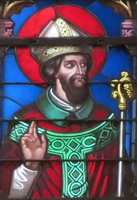
Saint Regnobert of Bayeux
Also known as
• Ragnobertus, Raimbert, Regnoberto, Regnobertus, Rembert, Rennobert, Renobert, Rénobert
• Second Apostle of Bessin
Profile
Missionary priest in the 620s, working to convert the Saxons who had invaded the Bessin region. Twelfth bishop of Bayeux, France. Founded several churches in the area that became Caen, France.
Born
Noron-la-Poterie, France
Died
c.666 of natural causes
Blessed Giuseppe Baldo
Also known as
Joseph Baldo

Profile
Sixth of nine children. Priest in the archdiocese of Verona, Italy. Founded the Sisters of Charity of Saint Mary in 1882. Founded the Little Sisters of Saint Joseph in 1894.
Born
19 February 1843 in Puegnago, Brescia, Italy
Died
24 October 1915 in Ronco all'Adige, Verona, Italy of natural causes
Beatified
31 October 1989 by Pope John Paul II in Rome, Italy
Saint Maglorius of Wales
Also known as
Magloire, Maelor, Maglorio

Profile
Monk. Went to Brittany with Saint Samson of York. Abbot of Lammeur Abbey. Bishop of Dol, France. Built and retired to a monastery on Sark in the Channel Islands.
Born
southern Wales
Died
c.575
Saint Fortunatus of Thibiuca
Also known as
Fortunato
Additional Memorial
4 May (translation of relics)
Profile
Martyred in the persecutions of Diocletian when he refused to give up copies of scripture for destruction.
Died
• beheaded on 24 October 303 in Venosa, Italy
• relics enshrined in the church of Our Lady of Sorrows, Bari, Italy
Saint Ruma of Najran
Profile
Christian princess of the city of Nagrana (modern Najran, Saudi Arabia). She, her husband and children were part of the Martyrs of Najran who were killed by order of Dhu Nuwas, king of the Omeritani who had converted to Judaism and demanded that everyone in his kingdom do so, too.
Died
beheaded in 523 at Nagrana (modern Najran, Saudi Arabia)
Saint Areta of Najran
Profile
Christian prince of the city of Nagrana (modern Najran, Saudi Arabia). He, his wife and children were part of the Martyrs of Najran who were killed by order of Dhu Nuwas, king of the Omeritani who had converted to Judaism and demanded that everyone in his kingdom do so, too.
Died
beheaded in 523 at Nagrana (modern Najran, Saudi Arabia)
Saint Giuse Lê Dang Thi
Also known as
Joseph Thi
Profile
Saint Giuse Lê Đăng Thị was born in 1825 in Kẻ Văn, làng Văn Quy, Quảng Trị province, into a family of military men. He grew up and followed in his father's footsteps, serving in the royal army. After a time, he was promoted to Chưởng vệ, in charge of soldiers in Hà Tĩnh province, and then transferred to Nghệ An province.
However, Lê Đăng Thị was also a devout man. He regularly attended Mass and prayer meetings. When King Tự Đức issued a decree banning Christianity, Lê Đăng Thị remained loyal to Christ. He was arrested and tortured, but still refused to renounce his faith.
On October 24, 1860, Lê Đăng Thị was executed in An Hòa, Quảng Trị province. He became one of the martyrs of the Catholic Church in Vietnam.
Saint Giuse Lê Đăng Thị was beatified by Pope Pius X on May 2, 1909, and canonized by Pope John Paul II on June 19, 1988.
Saint Giuse Lê Đăng Thị's feast day is celebrated on October 24th each year.
Blessed Amado García Sánchez
Profile
Vincentian priest. Martyred in the Spanish Civil War.
Born
29 April 1903 in Moscardón, Teruel, Spain
Died
24 October 1936 in Gijón, Asturias, Spain
Beatified
13 October 2013 by Pope Francis
Saint Evergislus of Cologne
Also known as
Ebregesilus, Ebregisilo, Evergisio, Evergisius, Evergislo

Profile
Saint Evergislus of Cologne (also spelled Eberigisil) was the fifth bishop of Cologne, Germany. He was born in the 6th century and died sometime before 593. He is considered to be the first Frankish bishop of Cologne.
Evergislus was raised by Saint Severinus in Tongres, Belgium. He eventually succeeded Severinus as bishop of Cologne. Evergislus was a dedicated pastor who worked to build up religious life and ecclesiastical peace in a time of great unrest and migration.
There is a legend that Evergislus was beaten to death by pagan robbers while he was praying in a church at Tongres. However, there is some reason to question whether he actually died from the assault.
Evergislus is venerated as a Catholic saint, and his feast day is celebrated on October 24. He is the patron saint of glaziers and glass painters.
Saint Felix of Thibiuca
Also known as
Felix Africanus
Profile
Bishop of Thibiuca in North Africa. Martyred in the persecutions of Diolcetian for refusing to surrender sacred books for destruction.
Died
303
Saint Marcius of Monte Cassino
Also known as
Mark, Martin
Profile
Saint Marcius of Monte Cassino was a Benedictine hermit who lived in the 6th century. He is believed to have been a close friend and disciple of Saint Benedict, the founder of the Benedictine Order.
Marcius was born into a wealthy family in Rome, but he gave up his worldly possessions to follow Saint Benedict to Monte Cassino. There, he lived a simple and austere life, devoted to prayer and contemplation.
Marcius was known for his piety and humility. He was also a skilled craftsman, and he helped to build the monastery at Monte Cassino. He was also a gifted teacher, and he trained many young men in the Benedictine way of life.
Marcius died in peace at Monte Cassino around the year 580. He is buried in the abbey church, where his tomb is visited by pilgrims from all over the world.
Saint Marcius is venerated as a patron saint of Monte Cassino and of the Benedictine Order. He is also invoked as a protector against storms and earthquakes.
Died
c.679 in Mondragone, Italy of natural causes
Saint Fromundus of Coutances
Also known as
Fromondo, Fromundo
Profile
Saint Fromundus of Coutances, also known as Fromond, was an Irish monk, abbot, missionary, and bishop of Coutances, France. He is believed to have been born in Ireland in the 7th century and to have died in Coutances around 690.
Saint Fromundus is said to have been a disciple of Saint Columba, the founder of the monastery of Iona in Scotland. He left Ireland to become a missionary in Gaul, where he founded a monastery at Bonfal in the diocese of Rouen. He was later appointed bishop of Coutances, where he served for many years.
Saint Fromundus is known for his zeal for missionary work and for his dedication to the poor and the sick. He is also credited with performing many miracles, including healing the sick, raising the dead, and calming storms.
Saint Fromundus' feast day is celebrated on October 24th.
Died
c.690
Saint Audactus of Thibiuca
Also known as
Adauctus
Profile
Saint Audactus of Thibiuca was a Christian martyr who was killed during the Great Persecution under the Roman emperor Diocletian. He is said to have been a companion of Saint Felix, the bishop of Thibiuca, in Africa.
Felix and Audactus were arrested for their faith and brought before the local magistrate, Magnillian. Magnillian ordered them to surrender the Christian scriptures, but they refused. Felix was then imprisoned and tortured, while Audactus was beheaded.
Felix was eventually taken to Carthage and executed on July 15. He is venerated as a saint, and his feast day is celebrated on October 24.
Died
303
Saint Ciriacus of Hierapolis
Profile
Saint Ciriacus of Hierapolis was a Christian bishop who lived in the 3rd century. He is known for his courage and leadership during the persecution of Christians under the Roman emperor Decius.
Ciriacus was born into a wealthy family in Hierapolis, a city in Phrygia, Asia Minor. He was educated in the best schools and became a prominent lawyer. However, he was also a devout Christian, and he eventually gave up his career to become a bishop.
As bishop, Ciriacus was responsible for the spiritual well-being of the Christians in Hierapolis and the surrounding area. He was a zealous pastor, and he was loved and respected by his flock.
When the persecution of Christians began under Decius, Ciriacus refused to renounce his faith. He was arrested and tortured, but he remained steadfast. He was eventually sentenced to death, and he was martyred in the year 250.
Saint Ciriacus is venerated as a patron saint of Hierapolis and of the Orthodox Church. He is also invoked as a protector against persecution and as a helper in time of need.
His feast day is celebrated on October 24th.
Died
Hierapolis, Phrygia (in modern Turkey)
Saint Claudian of Hierapolis
Profile
Saint Claudian of Hierapolis was a Christian martyr who lived in the 3rd century AD. He is believed to have been a priest or bishop in the city of Hierapolis in Phrygia, Asia Minor.
According to tradition, Saint Claudian was arrested during the persecution of Christians under the Roman emperor Decius. He was tortured and then beheaded on October 24th, 250 AD.
Saint Claudian is venerated as a saint by both the Catholic and Orthodox churches. His feast day is celebrated on October 24th..
Died
Hierapolis, Phrygia (in modern Turkey)
Saint Januarius of Thibiuca
Saint Januarius of Thibiuca, who was martyred in the persecutions of Diocletian in 303. He is commemorated on October 24 along with the other martyrs of Thibiuca: Felix, Audactus, Fortunatus, and Septimus.
Saint Septimus of Thibiuca
Saint Septimus of Thibiuca was a lector and martyr who lived in the 4th century. He is believed to have been one of the companions of Saint Felix of Thibiuca, a bishop who was martyred during the Great Persecution under the Roman emperor Diocletian.
Septimus was arrested along with Felix and four other companions: Audactus, Fortunatus, and Januarius. They were all brought before the Roman magistrate, who demanded that they renounce their faith. Septimus and his companions refused, and they were all beheaded on July 15, 303.
Saint Septimus is venerated as a martyr by the Catholic Church. His feast day is celebrated on October 24th.
Saint Cadfarch
Profile
Sixth-century spiritual student of Saint Iltyd. Founded churches in Penegoes and Abererch in Wales.
Saint Cadfarch (c. 460-560 AD) was a 6th century Welsh saint. He was a spiritual student of Saint Iltyd, and founded churches in Penegoes and Abererch in Wales. He is also credited with founding the monastery at Llantwit Major.
Saint Cadfarch was a popular saint in Wales, and was known for his piety and his dedication to the Church. He is also credited with performing many miracles, including healing the sick and raising the dead.
Saint Cadfarch's feast day is celebrated on October 24th.
Martyrs of Ephesus
Profile
Three Christians martyred together. All we know about them are the names Mark, Sotericus and Valentina.
Died
• stoned to death near Ephesus, Asia Minor (in modern Turkey)
• relics enshrined on the island of Tasos
Martyrs of Najran
Also known as
Martyrs of Nagrana
Profile
342 priests, religious and lay people who were martyred together by order of Dhu Nuwas, king of the Omeritani who had converted to Judaism and demanded that everyone in the his kingdom do so, too.
Died
beheaded or burned alive in 523 at Nagrana (modern Najran, Saudi Arabia)
Eximeno de Ayvar
Eximeno de Ayvar was a knight and nobleman who lived in the Kingdom of Navarre in the 13th century. He is best known for his role in the Battle of Las Navas de Tolosa, a decisive victory for the Christian forces over the Almohads in 1212.
Eximeno was born into a noble family in Ayvar, a town in Navarre. He was a skilled warrior and a devout Christian. In 1212, he joined the Christian army that was assembled to fight the Almohads at Las Navas de Tolosa.
Eximeno fought bravely in the battle, and he was one of the few knights who survived the initial Almohad attack. He then led a charge against the Almohad lines, and he helped to break their formation.
Eximeno's actions were a key factor in the Christian victory at Las Navas de Tolosa. He was praised by the Christian leaders for his courage and leadership.
After the battle, Eximeno continued to serve the Christian cause. He fought in several other battles against the Almohads, and he helped to secure the Christian victory in the Reconquista.
Eximeno died in 1238, and he was buried in the monastery of Santa María la Real de Pamplona, in Navarre. He is remembered as a hero of the Reconquista, and he is venerated as a saint by the Catholic Church.
