புனிதர்களை பெயர் வரிசையில் தேட

Translate

இன்றைய புனிதர்கள் பெயர்கள் நமது youtube சேனலில் ஒலிவடிவில்

இன்றைய புனிதர்கள் பெயர்கள் நமது youtube சேனலில் ஒலிவடிவில்
இன்றைய புனிதர்கள் பெயர்கள் ஒலிவடிவில் நமது youtube சேனலில்

03 ஏப்ரல் 2026

இன்றைய புனிதர்கள் ஏப்ரல் 04

 Saint Isidore of Seville

 செவில் நகர புனிதர் இசிடோர் 


(St. Isidore of Seville)

பேராயர், ஒப்புரவாளர் & மறைவல்லுநர்:

(Arch Bishop, Confessor & Doctor of the Church)

பிறப்பு: கி.பி. 560 

கார்ட்டஜெனா, ஸ்பெயின்

(Cartagena, Spain)

இறப்பு: ஏப்ரல் 4, 636

செவில், ஸ்பெயின்

(Seville, Spain)

ஏற்கும் சமயம்:

ரோமன் கத்தோலிக்க திருச்சபை

(Roman Catholic Church)

கிழக்கு மரபுவழி திருச்சபை

(Eastern Orthodox Church)

புனிதர் பட்டம்: கி.பி. 1598 

திருத்தந்தை எட்டாம் கிளமெண்ட் 

( Pope Clement VIII )

மறைவல்லுநர் பட்டம்: கி.பி. 1722

திருத்தந்தை பதின்மூன்றாம் பெனடிக்ட் 

( Pope Benedict XIII )

நினைவுத் திருநாள்: ஏப்ரல் 4

பாதுகாவல்:

இணையதளம் (The Internet),

கணினி உபயோகிப்போர் (Computer users), 

கணினி தொழில்நுட்ப வல்லுநர் (Computer Technicians), 

கணினி செயல்முறைத் திட்டம் வகுப்போர் (Programmers), 

மாணவர்கள் (Students)

புனிதர் இசிடோர் ஒரு தலைசிறந்த அறிஞரும், முப்பது வருடங்களுக்கும் மேலாக "செவில்" (Seville) உயர்மறை மாவட்டத்தின் பேராயராக சேவையாற்றியவருமாவார். இவர் திருச்சபையின் கடைசித் தந்தையர் என பரவலாக போற்றப்படுபவர் ஆவார். பத்தொன்பதாம் நூற்றாண்டின் வரலாற்றாசிரியர் "மொண்டலேம்பர்ட்" (Montalembert) என்பவர், இவரை "பண்டைய உலகின் இறுதி அறிஞர்" என்று போற்றுகின்றார்.

இசிடோரின் வாழ்க்கையின் 76 வருட காலம் ஸ்பெயின் நாட்டின் திருச்சபையின் போராட்டங்களும் வளர்ச்சியும் மிகுந்த காலம் எனலாம். சுமார் ஒன்றரை நூற்றாண்டு காலமாக காலூன்றியிருந்த "விஸிகோதிக்" இனத்தவர்கள் இசிடோர் பிறப்பதற்கு சிறிது காலத்துக்கு முன்னேதான் தமது தலைநகரை அங்கே அமைத்திருந்தனர். அவர்கள் கிறிஸ்துவை கடவுளாக ஏற்றுக்கொள்ளவில்லை. அதனால் கிறிஸ்துதாம் கடவுள் எனும் கத்தோலிக்கர்கள் ஒருபுறமும் கிறிஸ்து கடவுள் அல்லர் எனும் ஆரிய விஸிகோதிக் இனத்தவர் ஒருபுறமுமாக நாடு இரண்டுபட்டது. இசிடோர் இரண்டுபட்ட ஸ்பெயின் நாட்டை ஒன்றுபடுத்தினார்.

பண்டைய கிரேக்க இலத்தீன் கலை மற்றும் கலாச்சாரத்தின் சிதைவு, கல்வியறிவின்மை மற்றும் உயர்குடியினரின் வன்முறை ஆகியன நிகழ்ந்த காலகட்டத்தில் இவர் "விஸிகோதிக் ஆரிய" (Visigothic Arians) அரசகுல வம்சத்தினரை கத்தோலிக்கத்திற்கு மனம் மாற்றுவதில் தமது சகோதரரான புனிதர் லியாண்டருக்கு (Leander of Seville) உதவுவதில் ஈடுபட்டார். பின்னர், தமது சகோதரரின் மரணத்தின் பின்னரும் அதனைத் தொடர்ந்தார்.

ஸ்பெயின் நாட்டின் "கார்ட்டஜெனா" (Cartagena) என்ற இடத்தில் "செவரியனஸ்" மற்றும் "தியோடரா" (Severianus and Theodora) ஆகிய பெற்றோருக்கு பிறந்த இசிடோர், குறிப்பிடத்தக்க ஹிஸ்பானோ-ரோமன் (Hispano-Roman) குடும்பங்களைச் சேர்ந்தவர் ஆவார். பெற்றோர் இவரை பக்தியிலும், ஆன்மீகத்திலும் சிறப்பாக வளர்த்தார்கள். 

இயற்கையிலேயே இவர் பிறந்தது ஒரு புனிதர்களின் குடும்பம் எனலாம். இவரது மூத்த சகோதரர் "லியாண்டர்" (Leander of Seville), இளைய சகோதரர் "ஃபல்ஜென்ஷியஸ்" (Fulgentius of Cartagena) மற்றும் சகோதரி "ஃப்ளோரென்டினா" (Florentina) ஆகிய மூவருமே ஸ்பெயின் நாட்டின் நன்கு அறியப்பட்ட புனிதர்கள் ஆவர். ஆனால், இவை யாவையுமே இவருக்கு வாழ்வை இலகுவாக்கிவிடவில்லை. மாறாக கடினமாக்கி விட்டது. 

இசிடோர் தமது ஆரம்பக் கல்வியை "செவில்" நகரின் பேராலய பள்ளியில் (Cathedral school of Seville) கற்றார். தன்னிச்சையாகவே கல்வியில் சிறந்து விளங்கிய இவர், விரைவில் லத்தின், கிரேக்கம் மற்றும் ஹீப்ரு ஆகிய மொழிகளைக் கற்று தேர்ந்தார்.

லத்தின் மொழியின் வல்லுனர்களில் இவரும் ஒருவராக இருந்தார். "The Etymologies" (சொற்தோற்றங்கள்) எனும் புத்தகம், ஒன்பதாம் நூற்றாண்டின் அவரது தலை சிறந்த புத்தகமாகும். இலக்கணம், வானியல், புவியியல், வரலாறு, சுயசரிதை, இறையியல் ஆகியவற்றில் தலை சிறந்த புத்தகங்களை எழுதினர்.

இவர் பல புத்தகங்களை வாசிப்பதிலும், செபிப்பதிலும், தன் நேரங்களை செலவழித்து, தான் படித்தவைகளை வாழ்வாக வாழ்ந்தார். இதனால் இறைவனோடும், மக்களோடும் அதிக தொடர்பு கொண்டிருந்தார். மறைநூல் வாசிக்கும்போது, நாம் இதுவரை பெற்றுக்கொள்ளாத வரங்களையும், அறிவையும், உறவையும் பெறுகிறோம் என்பதை மற்றவர்களுக்கு போதித்தார். 

இவரால் பல காரியங்கள் ஒழுங்குப்படுத்தப்பட்டது. 200 ஆண்டுகள் ஆரியபதிதத்தில் (Arianism) ஊறிக்கிடந்த ஸ்பெயின் நாட்டினை ஆட்டிப்படைத்த விசிகாத் என்ற மக்களை முற்றிலும் மனம்மாற்றினார். 

32 ஆண்டு காலம் செவில் நகர பேராயராக சேவை புரிந்த இவர் 636ம் ஆண்டு ஏப்ரல் மாதம், 4ம் நாளன்று இறந்தார். இவர் சிறந்த மறைவல்லுநராகவும், திருச்சபையின் ஒளி விளக்காகவும், கடவுளின் திட்டத்தை அன்பு செய்து நிறைவேற்றுபவராகவும் தம் வாழ்நாளின் இறுதிவரை வாழ்ந்தார். செபத்தின் வழியாக, நாம் கற்காததையெல்லாம் கற்றுக்கொள்கிறோம் என்பதனை இவ்வுலக மக்களுக்கு வலியுறுத்திச் சென்றார்.

Also known as

• Isidore the Bishop

• Schoolmaster of the Middle Ages


Additional Memorial

15 December (translation of relics)


Profile

Son of Severianus and Theodora, people known for their piety. Brother of Saint Fulgentius of Ecija, Saint Florentina of Cartagena, and Saint Leander of Seville, who raised him after their father's death. Initially a poor student, he gave the problem over to God and became one of the most learned men of his time. Priest. Helped his brother Leander, archbishop of Seville, in the conversion the Visigoth Arians. Hermit.


Archbishop of Seville, Spain c.601, succeeding his brother to the position. Teacher, founder, reformer. Required seminaries in every diocese, and wrote a rule for religious orders. Prolific writer whose works include a dictionary, an encyclopedia, a history of Goths, and a history of the world beginning with creation. Completed the Mozarabic liturgy which is still in use in Toledo, Spain. Presided at the Second Council of Seville, and the Fourth Council of Toledo. Introduced the works of Aristotle to Spain.


Proclaimed Doctor of the Church by Pope Benedict XIV in 1722, and became the leading candidate for patron of computer users and the internet in 1999.


Born

c.560 at Cartagena, Spain


Died

4 April 636 at Seville, Spain


Patronage

• computer technicians

• computer users

• computers

• the Internet

• schoolchildren, students


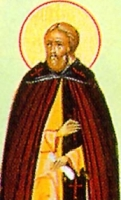
Saint Plato


Also known as

Platon


Profile

Plato's wealthy parents died of disease before he was 13. Raised and educated by an uncle who was a treasurer, and Plato soon handled much of his uncle's business. Excellent student. Pious from youth, he turned away from the world of the royal court, freed his slaves, sold his estates, gave the money to his sisters and the poor, and at age 24 he moved to the monastery at Symbolean on Mount Olympus, though he never took holy orders and remained a layman. He spent his days in prayer, menial labour, and copying holy books. Abbot in 770. Given to severe fasts and self-deprivation.


In 775 Plato made a journey to Constantinople on business, and managed to inspire many of the citizens of all stations to better, more pious lives. The patriarch Paul tried to make him bishop of Nicomedia, but Plato retreated to his monastery.


His sister Theoctista's entire family embraced a religious state, founded a monastery of Saccudion, near Constantinople, and prevailed upon Plato to direct it in 782. In 794 he turned it over to his nephew, Saint Theodorus.


The emperor Constantine repudiated his empress, Mary, and married Theodota, a relative of Plato; Plato and Theodorus published a sentence of excommunication against him. Joseph, the treasurer of the church, and several other mercenary priests and monks, tried to convince Plato to approve the emperor's divorce, but he refused, scolded the emperor to his face, and was imprisoned until Constantine's death in 797.


In the face of the Saracen invasions, the monks of Saccudion abandoned their settlement for Studius where Plato vowed obedience to his nephew Theodorus, and lived as a recluse in a narrow cell, in perpetual prayer and manual labor, one foot fastened to the ground with a heavy iron chain which he hid with his cloak when anyone came to see him.


In 807, Joseph, the priest who had presided at the wedding of Constantine and Theodoat, was restored to his position and made treasurer of the church by order of emperor Nicephorus. Plato considered this scandalous, and loudly condemned it. The emperor had him guarded for a year by a troop of insolent soldiers and false monks after which Plato was unjustly condemned by a council of court bishops, then banished to be conducted from place to place in the isles of Bosphorus for four years until freed in 811 by the new emperor Michael I. Plato then returned to his cell and his life of prayer.


In 813, Plato saw that his end was near, directed his grave be dug, had himself carried to it, lived laying in it, spending his last days in prayer and receiving guests from his grave including his former enemy, the priest Joseph who came to ask for Plato's prayers.


Born

c.734


Died

• 19 March 813 of natural causes

• funeral obsequies were performed by Saint Nicephorus


Saint Gaetano Catanoso


Also known as

Cajetan Catanoso


Additional Memorial

20 September


Profile

Born to a wealthy, pious family. Ordained on 20 September 1902, he served as a parish priest. Established a Confraternity of the Holy Face in his parish, which spread through a newsletter launched in 1920. Founded the Poor Clerics to encourage priestly vocations. Transferred to Santa Maria de la Candelaria parish in Reggio Calabria, Italy in 1921. There he revived Marian and Eucharistic devotions, improved catechesis, and worked for observance of liturgical feasts. Worked for cooperation among local priests to provide missions by preaching and hearing confessions in each others parishes. Spiritual director for several religious institutions, a prison, hospital and seminary for decades. Founded the Congregation of the Daughters of Saint Veronica (Missionaries of the Holy Face) in 1935 to teach, offer perpetual prayers, and work with the poor; they received diocesan approval in 1958.


Born

14 February 1879 at Chorio di San Lorenzo, Reggio Calabria, Italy


Died

4 April 1953 in Reggio Calabria, Italy of natural causes


Canonized

23 October 2005 by Pope Benedict XVI at Rome, Italy


Saint Benedict the Black


Also known as

• Benedict of Palermo

• Benedict of San Philadelphio

• Benedict of Sanfratello

• Benedict the African

• Benedict the Moor


• il Moro

Profile

His parents, Christopher and Diana, were slaves who had been taken from Africa to Sicily. Benedict was granted his freedom at age 18, but remained as an employee of his former master. Scorned and mocked by others as poor as himself, due to his origin and skin, he retained a natural cheerfulness.


He met with, and became enamored of a group of Franciscan hermits near Palermo. Benedict sold what little he had, gave away the money to the poor, and joined this group. Novice master and reluctant superior of the friars in Palermo. When his term ended, he happily returned to working in the friary kitchen. Benedict never referred to possessions as "mine" but always "ours." He had gifts for prayer and the guidance of souls. His humility and cheerfulness set an example that helped reform his order. On his death, King Philip III of Spain paid for a special tomb for the simple friar.


Benedict was not a Moor, but the Italian "il Moro" for "the Black" has been misinterpreted as referring to a Moorish heritage.


Born

1526 at Messina, Italy on the estate of Chevalier de Lanza a San Fratello


Died

• 1589 of natural causes

• body reported incorrupt when exhumed several years later


Beatified

15 May 1743 by Pope Benedict XIV


Canonized

24 May 1807 by Pope Pius VIII


Patronage

• African missions

• African-Americans

• black people

• Palermo, Sicily, Italy


Blessed Giuseppe Benedetto Dusmet


Profile

Born to the Sicilian nobility, the son of Marquis Luigi Dusmet. Educated at the abbey of San Martino delle Scales when he was five years old. Benedictine monk, making his formal vows on 13 August 1840 at the abbey of Monte Cassino. Teacher of philosophy and theology in Benedictine houses. Priest. Prior of the monastery of San Severino, Naples on 12 June 1850. Prior of the monastery of San Flavio, Caltanissetta, Sicily in 1852. Abbot of the monastery of San Nicolo l'Arena, Catania, Sicily in 1858. The monastery was later confiscated by the state soon after the founding of the kingdom of Italy. Archbishop of Catania, Sicily on 22 February 1867. Cardinal-priest of San Pudenziana on 11 February 1889.


Born

15 August 1818 at Palermo, Sicily


Died

• 4 April 1894 at Catania, Sicily of natural causes

• buried in the chapel of the Confraternity dei Bianchi

• relics translated to the metropolitan cathedral of Catania in May 1904


Beatified

25 September 1988 by Pope John Paul II


Blessed Ndue Serreqi


Also known as

Karl


Profile

Educated by Franciscan friars, he joined the Order as a young man. Seminarian in Brescia, Italy, he was ordained a priest in June 1936, taking the name Father Karl, and serving parishes in the mountain villages of Albania. He was arrested on 9 October 1946 by Communist authorities who wanted him to tell them details of the confessions of some of the anti–Communist rebels; he was imprisoned and tortured, but refused to break the seal of the Confessional and on 18 January 1947 he was sentenced to death. This was later changed to life imprisonment and he spent the next seven years being abused and neglected to death. Martyr.


Born

26 February 1911 in Shkodrë, Albania


Died

4 April 1954 in Burrel, Shkodrë, Albania from abuse in prison


Beatified

• 5 November 2016 by Pope Francis

• beatification celebrated at the Square of the Cathedral of Shën Shtjefnit, Shkodër, Albania, presided by Cardinal Angelo Amato


Saint Francisco Marto


Also known as

Franz Marto


Profile

One of the child visionaries of the apparition of Our Lady of Fatima in 1917 in Portugal.


Born

11 June 1908 at Aljustrel, Portugal


Died

• 4 April 1919 at Aljustrel, Portugal of influenza

• relics translated on 13 March 1952 to the basilica at Cova da Iria


Canonized

13 May 2017 by Pope Francis


Blessed Abraham of Strelna


Profile

Like his three brothers, he became a Premonstratensian monk at the monastery in Hradisko, Moravia (in modern Slovakia). He withdrew from the monastery to live for 30 years as a hermit, but was eventually ordered back to the monastery in 1229 and was soon after elected abbot. He agreed on the condition that he would only serve for three years and could then return to his hermit's shack.


Born

late 11th-century in Strelna, Moravia (modern Czech Republic)


Died

• 4 April 1232 in his hermitage in Hradisko, Moravia (in modern Slovakia) of natural causes

• buried alongside his three brothers in Hradisko in the Church of the Mother of God and Saint George, a structure all the brothers had worked to build


Saint Tigernach of Clogher


Also known as

Tigernake, Tierney, Tierry, Terry


Profile

Son of Dearfraych, daughter of the Irish king Eochod, and a famous general named Corbre. Baptized by Bishop Saint Conleth of Kildare, Ireland. God-son of Saint Brigid of Ireland. Captured by pirates as a child, given to the British king, who placed him in the monastery of Rosnat. Friend of Saint Eoghan. He was a natural, and grew to be a monk whose life was exemplified by an intense love for God, and a penchant for constant work. Upon his he return to Ireland, he was made abbot of Cluanois Abbey in Monaghan. Bishop of Clogher, Ireland.


Died

549


Saint Aleth of Dijon


Also known as

• Aleth of Montbard

• Aleth of Zélie

• Adèle, Aleidis, Alèthe, Aletta, Alette, Alice, Alix, Aliz, Alyette, Elisabeth, Ethle


Profile

Daughter of the lord of Montbard. Lay woman, married to a man named Tecolin. Mother of Saint Bernard of Clairvaux and other holy children.


Died

• 1105

• relics at Clairvaux, France


Saint Zosimus of Palestine


Profile

Fifth century hermit on the banks of the Jordan River. Discovered Saint Mary of Egypt, brought her the Eucharist one Easter, found her dead the next, and reportedly wrote a biography of her.


Representation

• monk bringing the Eucharist to Saint Mary of Egypt

• talking to Saint Mary of Egypt across the River Jordan


Blessed Thomas of Naples


Profile

Mercedian friar. Well educated and a Biblical scholar, he was sent from the area of Naples, Italy, to France to work against the rise of Protestantism. His preaching was so zealous and effective that he was murdered by Huguenots. Martyr.


Died

stabbed to death in 1540 at the Saint Eulalia convent in Montpellier, France


Saint Gonval of Scotland


Also known as

Conval, Conwall


Profile

King an area of Scotland, noted for his personal piety, his promotion of the faith, and his refusal to use his civil power to meddle in Church affairs. Noted for his piety by Saint Columba, and mentioned in the ancient Dunkeld Litany.


Born

late 8th century Scotland


Died

824 of natural causes


Saint Theonas of Egypt


Profile

Monk at Theibaid, Egypt and el-Bahnasa, Egypt.


Died

395


Representation

writing near a well with a pitcher and bucket close and assorted wild animals watching from a distance, referring to a story that he watered and cared for wild animals


Saint Agathopus the Deacon


Also known as

• Agathopus of Thessalonica

• Agathopedes, Agatopodo


Profile

Deacon. Marytred with Saint Theodulus during the persecution of Maximinian Herculius for refusing to surrender holy books.


Died

drowned in the sea with a stone around his neck in 303 in Thessalonica


Saint Theodulus the Lector


Also known as

• Theodolus of Thessalonica

• Teodulo...


Profile

Lector. Martyred with Saint Agathopus for refusing to surrender holy books during the persecutions of Emperor Maximian Herculeus.


Died

drowned in the sea with a stone around his neck in 303 in Thessalonica


Saint Peter of Poitiers


Profile

Bishop of Poitiers, France, from 1087 till 1115. Publicly denounced the sacrilegious tyranny and license of King Philip I and William VI, count of Poitiers and duke of Aquitaine. Helped Blessed Robert d'Arbriselle found the abbey of Fontrevault.


Died

1115 of natural causes


Saint Gwerir of Liskeard


Also known as

Guier


Profile

Ninth century monk and hermit in Liskeard, Cornwall, England. King Alfred said to have been cured of a serious illness at Gwerir's grave. After his death, the saint's monastery cell was next occupied by Saint Neot.


Blessed François de la Terre de Labour


Also known as

François of Cairo


Profile

Franciscan Friar Minor. Martyred for trying to bring apostates back to the faith.


Died

c.1358 in Cairo, Egypt


Blessed Nicolas of Montecorpino


Also known as

Nicolas of Cairo


Profile

Franciscan Friar Minor. Martyred for trying to bring apostates back to the faith.


Died

c.1358 in Cairo, Egypt


Saint Hildebert of Ghent


Also known as

Emebert


Profile

Benedictine monk. Abbot of Saint Peter's in Ghent. Martyr, killed for his defense of icons.


Died

752


Saint Victor of Barcelona


Also known as

Vittore


Profile

Priest. Bishop of Barcelona, Spain. Martyr.


Saint Henry of Gheest


Profile

Cistercian monk.


Died

c.1190 of natural causes


Martyrs of Thessalonica


Profile

Fourteen Christians who were martyred together, date unknown. No other information, except the names of 12 of them, has survived - Ingenuus, Julianus, Julius, Matutinus, Orbanus, Palatinus, Paulus, Publius, Quinilianus, Saturninus, Successus, Victor and two whose names have not come down to us.


Died

Thessalonica, Greece

01 ஏப்ரல் 2026

இன்றைய புனிதர்கள் ஏப்ரல் 02

  St. Polycarp of Alexandria


Feastday: April 2

Death: 303


Martyr of Egypt. He was put to death at Alexandria, Egypt, during the persecutions under Emperor Diocletian. Polycarp was cruelly tortured and then beheaded. 

The Holy Martyr Polycarp was killed after he denounced the impious Emperor Maximian (305-313) for shedding the blood of innocent Christians in the city of Alexandria. As a devout Christian who was filled with zeal for God, he could not simply stand by when every day he saw many of the faithful being tortured because they refused to deny Christ.


One day Saint Polycarp saw the ruler sitting in his chair and watching as the blood of Christians flowed like water. The Saint stood before him and questioned him saying, "Why have you so forgotten human nature, you insatiable dog, that you cut down your relatives and fellow countrymen with swords like wood, because they proclaim the one true God and refute the error of idolatry; just as I do, who am a servant of Christ?"


Because he angered the ruler by saying such things, Saint Polycarp was arrested and tortured. Finally, he was beheaded, dying with the name of Christ on his lips. By being cut down like a vine-branch, he offered much fruit to Christ, and received the crown of martyrdom


Bl. Severian Baranyk


Feastday: April 2

Birth: 1889

Death: 1941

Beatified: Pope John Paul II


Blessed Severian Stefan Baranyk (July 18, 1889 - 1941) was a Ukrainian Greek Catholic priest and martyr.


Severian Baranyk

Severian Stefan Baranyk (Ukrainian: Северіян Бараник; 18 July 1889 - June 1941) was a Ukrainian Greek Catholic priest and martyr.


Baranyk was born in Uhniv, Austrian Galicia (today Western Ukraine). He entered the monastery of the Order of St Basil the Great in Krekhiv in 1904. On May 16th he took his first monastic vows and then on 24 September 1910 he took his perpetual vows. He was ordained to the priesthood on 14 February 1915. Baranyk was known for his preaching, and his life was noted for his special kindness to youth and orphans. In 1932 he was made the prior (hegumen) of the Basilian monastery in Drohobych.[1]


On 26 June 1941 the NKVD (KGB) arrested him. He was taken to Drohobych prison and never seen alive again. After the Soviets withdrew from the city his mutilated body was found in the prison with signs of torture, including cross shaped knife slashes across his chest.[1]


He was beatified by Pope John Paul II on 27 June 2001.


Yasyf Lastoviak, in a testimony, recounted finding Stefan Baranyk's corpse. "Behind the prison I saw a big hole which has been covered up, filled with sand. when the Bolsheviks retreated, the Germans came and people rushed to the prison to find their relatives. The Germans allowed people into the area of the prison in small groups to claim their murdered relatives, but most people stood by the gates, so I went to the side and climbed a tree. there was a terrible stink... I saw how the Germans sent people to uncover the hole which was filled with sand. The hole was new because the people uncovered it with their hands. They dragged out the murdered bodies. there was little covering near the hole, and under it I saw the body of Father Severian Baranyk. Basilian, with visible marks of his prison tortures; his body had unnaturally swelled black, his face terrible. Dad later said that on his chest the sign of the cross had been slashed


Bl. Volodymyr Pryjma


Feastday: April 2

Birth: 1906

Death: 1941 

Beatified: Pope John Paul II


Bl. Volodymr Pryima was a Ukrainian, Greek Catholic. He was born on July 17, 1906 in the village of Stradch, in the Yavoriv District of Western Ukraine, near the former Polish border. He attended a school for signers of liturgical music, becoming a cantor, and leading a choir in celebration. He worked in his local village church in Stradch.


According to all accounts, Pryima was martyred on June 26, 1941, after he accompanied his parish priest, Fr. Nicholas Conrad (Fr. Mykola Konrad), to visit a sick woman who requested the Sacrament of Reconciliation. While returning through the forest near their town, they were detained by agents of the NKVD. The NKVD was a department of the Soviet government responsible for overseeing police work and running prison and labor camps.


Agents of the NKVD tortured and murdered Pryima and Fr. Nicholas. His body was not discovered until one week after the murder. He had been stabbed through the chest several times with a bayonet.


Having given his life for the faith, Pryima has been recognized as a martyr. He was beatified by Pope John Paul II on June 27, 2001. Fr. Conrad was likewise beatified simultaneously and both are recognized as "blessed."


Volodymyr Pryjma (Ukrainian: Володимир Прийма) was a Ukrainian Greek Catholic choir director and martyr.

Pryjma was born on 17 July 1906 in the village of Stradch, Yavoriv District. He graduated from a school for cantors, which was at that time under the care of Metropolitan Andrey Sheptytsky. He was made the cantor and choir director in the local village church in Stradch. Prijma was married with two young children.


On 26 June 1941, four days after the start of the German-Soviet War, agents of the Soviet Union's NKVD mercilessly tortured and murdered him, along with Mykola Konrad, in a forest near Stradch as they were returning from the house of a sick woman who had requested the sacrament of reconciliation. His body had not been found until a week after the murder. He had been stabbed multiple times in the chest with a bayonet.

He was beatified by Pope John Paul II on 27 June 2001.

On Saturday, November 2nd 2019, Volodymyr Pryjma's relics were placed in Holy Eucharist Ukrainian Catholic Cathedral, New Westminster, British Columbia Canada.[1]

Influence


"Fr Konrad went with the holy sacraments to fulfill his sacred obligation, hearing a woman's confession in the neighboring village. He felt he had to go, though he was stopped. I know that they stopped him and said; 'Father, don't go. Look what's happening;the war has started, anything could happen.' He said that this was his sacred duty and that he had to go. He got dressed and left together with Volodymyr Pryjma, the cantor. They didn't come back. After a week, they were found there, murdered. People thought something was wrong. So they went to look for them and found them there. It was awful. The cantor's wife had two children. One was three, the other was four. Momma told how when they were found everyone was overcome by what they saw. The cantor was especially cut up, his chest stabbed with a bayonet many times


Saint Francis of Paola

பவோலா நகர் புனிதர் ஃபிரான்சிஸ் 

துறவி, நிறுவனர்:

பிறப்பு: மார்ச் 27, 1416

பவோலா, கொசென்ஸா, கலாப்ரியா, இத்தாலி

இறப்பு: ஏப்ரல் 2, 1507 (அகவை 91)

பிலெஸ்ஸிஸ், தூரெயின், ஃபிரான்ஸ் அரசு

ஏற்கும் சமயம்:

ரோமன் கத்தோலிக்க திருச்சபை

புனிதர் பட்டம்: கி.பி. 1529

திருத்தந்தை 10ம் லியோ 

நினைவுத் திருநாள்: ஏப்ரல் 2

பாதுகாவல்: 

கலாப்ரியா (Calabria); அமாடோ (Amato); 

லா சொறேரா (La Chorrera), பனாமா (Panama); 

படகோட்டிகள் (Boatmen), 

கப்பல் பணியாளர்கள், மற்றும் கடற்படை அதிகாரிகள் (Mariners, and Naval Officers).

புனிதர் ஃபிரான்சிஸ், ஒரு இத்தாலிய " யாசித்து வாழும் துறவி" (Mendicant Friar) ஆவார். ரோமன் கத்தோலிக்க "மினிம்ஸ்" (Roman Catholic Order of Minims) சபையின் நிறுவனரும் இவரே ஆவார். பெரும்பாலான சபைகளை நிறுவிய துறவியரைப் போலல்லாது, இவர் குருத்துவ அருட்பொழிவு பெறாத துறவி ஆவார்.

இத்தாலியில் கலாப்ரியா என்னும் பகுதியில் பவோலா என்னுமிடத்தில் கி.பி. 1416ம் ஆண்டில் பிறந்தார். மிகவும் பக்தியுள்ள இவரது பெற்றோருக்கு திருமணமாகி சில காலம் குழந்தைப் பாக்கியம் இல்லாது போனதால் புனிதர் "அசிஸியின் ஃபிரான்சிஸ்" (St. Francis of Assisi) நோக்கி அவரது பரிந்துரைக்காக செபித்தனர். அதன் காரணமாய் பிறந்த முதல் குழந்தைக்கு புனிதரின் நினைவாக ஃபிரான்சிஸ் என்றே பெயரிட்டனர். அதன் பிறகும் அவர்களுக்கு இரண்டு குழந்தைகள் பிறந்தனர்.

ஃபிரான்சிஸ் தொட்டில் குழந்தையாக இருக்கையில், ஒருமுறை அவரது கண்களில் ஏற்பட்ட வீக்கம் காரணமாக, அவரது ஒரு கண்பார்வை அருகிப்போனது. அவர்கள் மீண்டும் புனிதர் "அசிஸியின் ஃபிரான்சிஸ்" அவர்களை நோக்கி வேண்டினர். இம்முறை, குழந்தையின் கண்கள் குணமானதும் அப்புனிதரின் ஏதாவது ஒரு துறவு சபையில் வாழ்நாள் முழுதும் துறவு உடையில் வாழ விடுவதாக பிரமாணம் செய்தனர். (அக்காலத்தில் இதுபோன்ற பிரமாணங்கள் வழக்கிலில்லாதது). குழந்தைக்கு உடனேயே கண்கள் குணமாயின.

ஃபிரான்ஸிசின் ஆரம்ப காலத்திலேயே அவரிடம் புனிதரின் அசாதாரணமான அடையாளங்கள் தென்பட்டன. தமது பதின்மூன்றாவது வயதிலே தமது பெற்றோரின் பிரமாணத்திற்கேற்ப ஃபிரான்சிஸ்கன் சபையின் (Franciscan Order) துறவு மடம் ஒன்றில் இணைந்தார். அங்கே செபம், தாழ்ச்சி, எளிமை போன்ற நல்லொழுக்கங்களை வெளிப்படுத்தினார்.

துறவு மடத்தில் ஒரு வருட காலத்தை பூர்த்தி செய்த ஃபிரான்சிஸ், தமது பெற்றோருடன் ரோமிலுள்ள அசிஸி மற்றும் சில வெவ்வேறு நகரங்களுக்கு புனித பயணம் மேற்கொண்டார்.

அங்கிருந்து பவோலா திரும்பிய அவர், தமது தந்தையின் தோட்டத்திலிருந்த தனிமையான குகை ஒன்றில் வசிக்க தொடங்கினார். பின்னர், இத்தாலியின் தெற்குக் கடற்கரைப் பகுதியில் மேலும் தனிமையான குகை ஒன்றினை கண்ட அவர், அங்கே சென்று வாழ தொடங்கினார். அங்கே சுமார் ஆறு வருடங்கள் இருந்தார்.

கி.பி. 1435ல், அவரது இருபது வயதுக்கு முன்னேயே இரண்டு பேர் அவரை பின்பற்றுபவர்களாக வந்து அவருடன் தியானத்தில் இணைந்தனர். ஃபிரான்சிஸ் அவர்கள் மூவருக்காகவும் சிறு சிறு அறைகள் மற்றும் ஒரு சிற்றாலயம் ஆகியன கட்டினார். இங்ஙனமாக இவர்களது தியான குழு தொடங்கியது. 1436ல் அவரும் அவரது சீடர்களான இருவரும் இணைந்து ஆரம்பித்த தியான குழு, பின்னாளில் "புனிதர் அசிஸியின் ஃபிரான்சிஸின் துறவிகள்" (Hermits of Saint Francis of Assisi) என்றானது.

பதினேழு வருடங்களின் பின்னர், துறவியரின் எண்ணிக்கை கூடிப்போகவே, ஃபிரான்சிஸ் தமது துறவியர் சபைக்கான கோட்பாடுகளை எழுதுவதற்கு 1474ல் திருத்தந்தை "நான்காம் சிக்ஸ்தூஸ்" (Pope Sixtus IV) அவர்கள் அனுமதி வழங்கினார். பின்னர் இவர்கள் தமது சபையின் பெயரை "மினிம்ஸ்" ("Minims") என்று மாற்றிக்கொண்டனர். இச்சபைக்கு "திருத்தந்தை ஆறாம் அலெக்சாண்டர்" (Pope Alexander VI) அவர்களால் ஒப்புதல் வழங்கப்பட்டதன் பிறகு, ஃபிரான்சிஸ் "கலாப்ரியா மற்றும் சிசிலி" (Calabria and Sicily) ஆகிய நகரங்களில் சிறிய சிறிய துறவு மடங்களை நிறுவினார். அவர் அருட்சகோதரியர்க்கான துறவு மடங்களையும் நிறுவினார். புனிதர் அசிசியின் ஃபிரான்சிஸ் அவர்களை முன்னுதாரணமாகக் கொண்டு வாழ்பவர்களுக்காக "மூன்றாம் நிலை சபை" (Third order) ஒன்றினையும் நிறுவினார்.

ஃபிரான்சிஸ் தவத்தை நேசித்தார். கன்னெஞ்சரான பாவிகளை மனந்திருப்பினார். பிளேக் போன்ற கொள்ளை நோய்களைத் தடுத்தார். நோய்களைக் குணப்படுத்தினார். 

திருத்தந்தையின் கட்டளைக்குக் கீழ்படிந்து ஃபிரான்ஸ் நாட்டுக்குச் சென்று அரசர் "பத்தாம் லூயிசை" (Louis XI of France) நல்ல மரணத்திற்கு தயாரித்தார். 

மரித்த அரசர் பத்தாம் லூயிஸின் பின்னர் முடி சூடிய அரசர் "எட்டாம் சார்லஸ்" (Charles VIII) ஃபிரான்சிசை பின்செல்பவராக இருந்தார். அவர் ஃபிரான்சிசை தம்முடன் வைத்துக்கொண்டார். ஆட்சியில் அவ்வப்போது தோன்றும் பிரச்சினைகளுக்கான ஆலோசனைகளை இவரிடம் பெற்றார். இந்த அரசர் "மினிம்ஸ்" (Minims) சபைக்காக "பிலெஸ்சிஸ்" (Plessis) என்ற இடத்திலும் ரோம் நகரில் "பின்சியன்" (Pincian Hill) மலையிலும் துறவு மடங்களை கட்டினார்.

ஃபிரான்சிஸ் ஃபிரான்ஸ் நாட்டிலும் அநேகரை திருச்சபையின்பால் ஈர்த்தார். அரசர் எட்டாம் சார்லசுக்கு பின்னர் கி.பி. 1498ல் ஃபிரான்ஸ் நாட்டுக்கு முடி சூடிய அரசர் "பன்னிரெண்டாம் லூயிசும்" (Louis XII) ஃபிரான்சிசை பின்செல்பவராக இருந்தார். ஃபிரான்சிஸ் இத்தாலிக்கு திரும்பிச் செல்ல விரும்பினார். ஆனால், அவரது ஆலோசனைகளையும் அறிவுரைகளையும் இழக்க விரும்பாத அரசர் அவரை திரும்பிச் செல்ல அனுமதிக்கவில்லை.

தமது வாழ்வின் இறுதி மூன்று மாதங்களையும் தனிமையிலேயே கழித்த ஃபிரான்சிஸ், 91 வயது நிரம்பிய ஒரு வாரகாலத்திலேயே தமது மரணத்துக்கான தயாரிப்புகளை தாமே மேற்கொண்டார். கி.பி. 1507ம் ஆண்டின் பெரிய வியாழன் அன்று, அவர் தமது துறவற சகாக்களை ஒன்று கூட்டினார். கடின வாழ்விலும் சாசுவதமான நோன்புகளை கடைபிடிக்கும்படியும், பரஸ்பர தொண்டாற்றவும் அறிவுறுத்தினார். மறுநாள், பெரிய வெள்ளியன்று, மீண்டும் அவர்கள அனைவரையும் ஒன்றுகூட்டினார். அவர்களுக்கு வேண்டிய அனைத்து ஆலோசனைகளையும் அறிவுறுத்தினார். தமது சபைக்கான தலைவராகவும் ஒருவரை நியமித்தார். பின்னர் அவர் இறுதி சடங்குகளைப் (Last Rites) பெற்றார். தூய யோவானின் (St. John) திருமுகத்திலிருந்து திருப்பாடுகளை (Passion) வாசிக்கச் சொல்லிக் கேட்டார். அவர்கள் அதனை வாசிக்கையிலேயே, 2 ஏப்ரல் 1507 பெரிய வெள்ளியன்று "பிலெஸ்ஸிஸ்" (Plessis) என்ற இடத்தில் அவரது உயிர் பிரிந்தது.

Also known as

• Franciscus de Paula

• Francis the Fire Handler

• Francesco di Paola


Profile

Francis's parents were childless for many years, but following prayers for the intercession of Saint Francis of Assisi, they had three children; Francis was the oldest. Following a pilgrimage in his teens to Rome and Assisi in Italy, he became a hermit in a cave near Paola. Before he was 20 years old he began to attract followers. By the 1450's the followers had become so numerous that he established a Rule for them and sought Church approval. This was the founding of the Hermits of Saint Francis of Assisi, who were approved by the Holy See in 1474. In 1492 they were renamed the Franciscan Order of Minim Fiars, which means they count themselves the least of the family of God.


Prophet. Miracle worker. Reputed to read minds. In 1464 Francis wanted to cross the Straits of Messina to reach Sicily, but a boatman refused to take him. Francis laid his cloak on the water, tied one end to his staff to make a sail, and sailed across with his companions. Franz Liszt wrote a piece of music inspired by the incident.


Defender of the poor and oppressed. Gave unwanted counsel and admonitions to King Ferdinand of Naples and his sons. Traveled to Paris at the request of Pope Sixtus IV to help Louis XI prepare for death. Used this position to influence the course of national politics, helping restore peace between France and Brittany by advising a marriage between the ruling families, and between France and Spain by persuading Louis XI to return some disputed land.


In an old tradition that has certain saints opposing on an equivalent demon, Francis is the adversary of Belial since his simple humility cancels the demons raging pride.


Born

27 March 1416 at Paola, Calabria, Kingdom of Italy (part of modern Italy)


Died

• 2 April 1507 (Good Friday) at Plessis, France of natural causes

• in 1562 Huguenots broke open his tomb, found his body incorrupt, and burned it; the bones were salvaged by Catholics, and distributed as relics to various churches


Canonized

1519 by Pope Leo X


Saint Pedro Calungsod


Also known as

Peter Calungsod


Profile

Educated by the Jesuits in the Visayas, a section of the Philippines. Pedro could read, write and speak Visayan, Spanish, and Chamorro, paint, draw, sing, and worked as a carpenter. Teenage catechist who worked with Spanish Jesuit missionaries to the violent Chamarros in the Ladrones Islands (modern Marianas) in 1668. Because he was a Christian on a mission to catechize the Chamorros, and Baptisms, Calungsod was murdered by two natives. He died trying to defend Father Diego Luis de San Vitores. Martyr.


Born

• c.1654 in Ginatilan, Cebu, Philippines

• named for Saint Peter the Apostle


Died

• hacked to death with a catana on 2 April 1672 at Tomhom, Guam

• mutilated body thrown into the sea


Beatified

• 5 March 2000 by Pope John Paul II at Vatican City

• the investigation proved the miraculous cure of bone cancer through Pedro's intercession


Canonized

21 October 2012 by Pope Benedict XVI


Blessed Vilmos Apor


Also known as

Vilhelm, Gulielmus, William


Profile

Born to the Hungarian nobility. Ordained on 24 August 1915. Chosen bishop of Gyõr, Hungary on 21 January 1941 by Pope Pius XII. Conventual chaplain ad honorem of the Sovereign Military Order of Malta. Known for his hard work, his efforts for social justice, his support of the poor, his protection of the weak. Provided emergency supplies to Jews being deported through his town. Sheltered those made homeless by air raids. Hid and protected women from brutalities of Russian soldiers who were closing in on Germany at the end of World War II. Shot on a Good Friday by a drunken Red Army officer who was chasing women who had fled to bishop Vilmos for protection; he died three days later.


Born

29 February 1892 at Segesvár, Transylvania, Hungary


Died

shot on 2 April 1945 at Gyõr, Hungary


Beatified

9 November 1997 by Pope John Paul II at Saint Peter's basilica, Vatican City


Saint Francisco Coll Guitart


Also known as

• Francis Coll Guitart

• Frans Coll Guitart


Profile

One of ten children. His father, Peter, died when Francis was only four. Confirmed in 1818 at age six. Entered the seminary at Vichy, France in 1822 at age ten. Student with Saint Anthony Mary Claret. Even as a kid he taught grammar and catechism to local children. Francisco joined the Dominicans at Vichy in 1830 at age eighteen. When monastic orders were suppressed by the government, Francis continued to study covertly. Ordained on 28 March 1836 at Vichy.


Parish priest of Arles, France. Re-assigned to Moya in 1839, an area devastated by war, awash with starving refugees. He established charitable organizations to feed and house them, and he worked with the poor and displaced for ten years. Helped Saint Anthony Claret found the Apostolic Fraternity in 1846. Director of the tertiaries in Vichy. In 1850 he re-opened the suppressed Dominican monastery, and began a program of preaching throughout the Catalan region. Worked with cholera victims during the epidemic that struck in 1854.


Founded the Congregation of the Dominican Sisters of the Annunciation of the Blessed Virgin Mary (La Annunciata) in 1856, a teaching branch of tertiaries; by his death the order had grown to fifty houses, and today there are over 140 in Europe and America. Struck blind during a homily given at Sallent on 2 December 1869; his health was never the same, but he refused to retire. When the Dominicans were allowed to officially return to the region in 1872, they found that Francis has somehow maintained the primary structures, physical and administrative, and instead of starting all over, they reclaimed what was theirs, and took up their work where they had left off.


Born

18 May 1812 in Grombeny, Catalan Pyrenees, Spain


Died

• 2 April 1875 in Vic, Barcelona, Spain of natural causes

• relics enshrined in the La Annunciata motherhouse


Canonized

11 October 2009 by Pope Benedict XVI


Blessed Mykolai Charnetskyi


Also known as

• Mykola Carneckyj

• Mykola Charnetsky

• Nicholas Charnetsky

• Nikolas Carneckyj


Additional Memorial

• 6 January as one of the Martyrs of Ukraine

• 27 June as one of the Martyrs Killed Under Communist Regimes in Eastern Europe


Profile

Greek Catholic. Ordained on 2 October 1909. Received a doctorate in Dogmatic Theology in Rome, Italy. Entered the Redemptorist novitate at Zboysko in 1919, making his vows on 16 September 1920. Spiritual director and professor at the seminary in Stanislaviv (modern Ivano-Frankivsk), Ukraine. Appointed Apostolic Visitor to Ukrainian Catholics in Volyn and Polyssya by Pope Pius XI in 1926. Bishop on 2 February 1931.


Apostolic Exarch in Volyn and Pidlyashia during the Bolshevik occupation. Arrested for his faith on 11 April 1945 by the NKVD; sentenced to six years forced labour in Siberia. Worked in a blacksmith shop, ministered to other prisoners, and ruined his health. His six year sentence continued for eleven years, and after his release he lived under constant surveillance and irregular torture. Martyr.


Born

14 September 1884 at Samakivtsi, Horodensk District, Halychyna, Ukraine


Died

• 2 April 1959 at Lviv, Ukraine

• buried there

• city authorities have to cover the grave with fresh earth each week as pilgrims carry off so much


Beatified

27 June 2001 by Pope John Paul II in Ukraine


Saint Appian of Caesarea


Also known as

Affianus, Amphian, Amphianus, Anphian, Aphian, Aphianus, Apian, Apphian, Apphianos


Profile

Born to wealthy, prominent and non-Christian family. Brother of Saint Aedesius of Alexandria. Well educated, studying rhetoric, philosophy and civil law in Beirut, Lebanon. Convert to Christianity. Friend of Eusebius of Caesarea; the pair made a pilgrimage to Palestine. Studied under Saint Pamphilus.


In May 305, Emperor Maximinus declared that everyone should take part in public sacrifices in celebration of his coronation. When it came time for the sacrifices in his city, Appian went to the temple and stopped the official, Urbanus, from offering incense to an idol, explaining that it was impious to worship an idol instead of the true God, and berating the judge for doing it. Appian was beaten, imprisoned, his flesh torn off with iron claws, and roasted over a slow fire. He was then ordered to sacrifice to the Roman gods; he declined. Martyr.


Born

c.287 in Gagae, Asia Minor


Died

• drowned in April 306 in Caesarea, Palestine by having stones tied him and then being thrown into the sea

• an earthquake immediately struck the area and Appian's body, stones and all, immediately washed back up onto the beach


Saint John Payne


Also known as

• John Pain

• John Paine


Additional Memorials

• 25 October as one of the Forty Martyrs of England and Wales

• 29 October as one of the Martyrs of Douai


Profile

Convert. Studied at Douai, France in 1574. Ordained on 7 April 1576. Returned to Ingatestone, Essex, England, ministering to covert Catholics and bringing many back to the Church. Worked with Saint Cuthbert Mayne. Arrested for his work in 1577, he was exiled to Douai in 1579. Returned to England in 1581 to resume his work. Betrayed by by John Eliot, a known murderer who made a career of denouncing Catholics and priests for bounty, he was arrested in Warwickshire, tortured several times, accused of plotting to kill the queen based solely on Eliot's testimony, and executed. Martyr.


Born

diocese of Petersborough, Northampton, England


Died

hanged, drawn, and quartered on 2 April 1582 at Chelmsford, Essex, England


Canonized

25 October 1970 by Pope Paul VI


Saint Urban of Langres


Additional Memorial

23 January in Langres, France


Profile

Bishop of Langres, France in 374. During a priod of persecution of the Church, Urban hid for a while in a vineyard. There he converted the vine dressers, who then helped him in his covert ministry. Due to their work, and to Urban's devotion to the Holy Blood, he developed great affection to all the people in the wine industry, and they for him.


Died

c.390 of natural causes


Blessed Leopold of Gaiche


Also known as

Giovanni Croci


Profile

Born to a peasant family, he was a shepherd as a boy. He early showed signs of a religious vocation, and joined the Franciscans at age 19. Ordained in 1757. Taught philosophy and theology. Mission preacher. Minister-Provincial of Umbrian in 1781; his term was noted for insisting on study and adherence to his Order's Rule by the friars, and support of the friars by their superiors. Established a cloister at Monte Luco near Spoleto, Italy, and lived there in solitude and silence for several years; it was closed in 1809 due to political suppression of monastic houses, and Leopold returned to life as a parish priest, working in periods of silent prayer whenever his schedule permitted. The community at Monte Luco was restored in 1814, Leopold immediately returned there, and spent his remaining months as a prayerful, silent monk.


Born

30 October 1732 in Gaiche di Piegaro, Perugia, Italy


Died

2 April 1815 in Monteluco, Perugia, Italy of natural causes


Beatified

12 March 1893 by Pope Leo XIII


Blessed Arnulf of Leuven


Also known as

• Arnulf I

• Arnulf of Louvain

• Arnulf of Lovanium

• Arnolf of Löwen

• Arnulf of Villers

• Arnulfus Lovaniensis

• Arnolfo, Arnoul


Profile

Cistercian monk. Abbot at Villers-la-Ville, Brabant (in modern Belgium) for 10 years. He expanded the abbey, made it a center of piety and mysticism, and compiled the first records of the abbey, covering the years 1146 to 1240. Noted poet. He opposed the scholasticism and formal education system being implemented at the time, and refused to help with the construction of the Saint-Bernard college in Paris, France as he thought the scholastic movement was destroying mystical life. Late in life, he retired from the abbacy to devote his remaining days to prayer and study.


Born

early 13th century in Leuven, Belgium


Died

1276 the abbey at Villers-la-Ville, Brabant (in modern Belgium) of natural causes


Saint Ebbe the Younger


Also known as

• Ebbe of Coldingham

• Abb, Aebbe, Ebba


Profile

Abbess at Coldingham, Berwickshire, Scotland, a double monastery that had been founded by Saint Ebbe the Elder, and which was the largest in the country at the time. When the monastery was attacked by Scandinavian pirates, Ebbe gathered her nuns and exhorted them to save themselves from falling into the hands of the pirates by voluntary disfiguring themselves. She then set an example by cutting off her own nose and upper lip; the other nuns did the same. When the Vikings broke into the convent, they were so horrified and angry by what the women had done to escape being raped, they locked them all in, set fire to the house, and burned them all to death.


Died

burned to death on 2 April 870 at Coldingham monastery, Berwickshire, Scotland


Saint Abundius of Como


Also known as

Abbondio, Abondius, Abundias


Profile

Priest. Bishop of Como, Italy. Noted theologian. Attended the Council of Constantinople in 450. Diplomat from Pope Leo the Great to Emperor Theodosius II. Papal legate to the Council of Chalcedon in 451. Attended the Council of Milan in 452. Fought Eutychianism, which denied Jesus' human nature, and Nestorianism. Sometimes credited with the authorship of the Te Deum.


Born

at Thessalonica, Greece


Died

469 of natural causes


Saint Eustace of Luxeuil


Also known as

Eustasius, Eustatius, Eustathius, Eustache, Eustochius, Eustachius


Profile

Monk. Spiritual student of Saint Columbanus. Head of the monastic school at Luxeuil Abbey. Abbot of Luxeuil in 611. During his abbacy the abbey had 600 monks and ran a seminary that sent many bishops and saints into the world. Noted for his humility, lengthy fasts, and for spending his time either at work or prayer. Healed Saint Sadalberga of blindness.


Born

c.560


Died

c.629


Blessed Diego Luis de San Vitores-Alonso


Profile

Jesuit missionary priest. Founded the first Catholic church on the island of Guam. Established the Spanish presence in the Mariana Islands.


Born

13 November 1627 in Burgos, Spain


Died

2 April 1672 in Tumon, Guam


Beatified

6 October 1985 by Pope John Paul II


Saint Theodora of Tiria


Also known as

• Theodora of Tyre

• Theodora of Tyros

• Theodora of Caesarea

• Teodora, Theodosia


Profile

Imprisoned, tortured and executed in her late teens for encouraging other martyrs to not give up their faith. Martyr.


Born

c.290 in Tyre


Died

thrown into the sea to drown at Caesarea, Palestine c.317


Blessed Alessandrina of Foligno


Also known as

Alexandrine, Sandrina


Profile

Poor Clare nun. Founded the Poor Clare monastery in Foligno, Italy where she was admired for her great piety.


Born

1385 in Sulmona, Italy


Died

2 April 1458 of natural causes


Blessed Drogo of Baume


Also known as

Drogon, Dreux, Druon


Profile

After leading a worldly and dissolute life, Drogo became a Benedictine monk at the abbeys of Fleury-sur-Loire and Baume-les-Messieurs in France. Noted for his piety. Around 950, he received a vision of Saint Benedict of Nursia, confirming his conversion to religious life.


Saint Ðaminh Tuoc


Also known as

Domenico, Dominic


Additional Memorial

24 November as one of the Martyrs of Vietnam


Profile

Dominican priest. Martyr.


Born

c.1775 in Trung Lao, Nam Ðinh, Vietnam


Died

2 April 1839 in Nam Ðinh, Vietnam


Canonized

19 June 1988 by Pope John Paul II


Saint Brónach of Glen-Seichis


Also known as

• Virgin of Glen-Seichis

• Bromana, Bronacha, Bronanna, Bronagh, Bronaha


Profile

Nun. Abbess of Gleannsechis (Kill-sechis), Ireland.


Saint Nicetius of Lyon


Also known as

Nicet, Nicetus, Nizier, Nicezio


Profile

Nephew of Saint Sacerdos of Lyons. Bishop of Lyon, France in 553. Worked to revive ecclesiastical chant.


Died

573 of natural causes


Blessed Meingosus of Weingarten


Also known as

Megingaud, Meingos


Profile

Benedictine monk. Abbot of at Weingarten abbey in Swabia (in modern Germany) c.1188.


Died

c.1200


Saint Lonochilus of Maine


Also known as

Longis, Lenogisil


Profile

Priest. Founded a monastery in Maine, France. Spiritual teacher of Saint Agnofleda of Maine.


Died

653 of natural causes


Saint Agnofleda of Maine


Also known as

Agneflette, Noflette


Profile

Nun. Spiritual student of Saint Lonochilus of Maine.


Born

Switzerland


Died

638 of natural causes


Saint Constantine of Scotland


Profile

King of Scotland. Died in battle fighting invading heathens, and thus considered a martyr.


Died

• 874

• buried on Iona


Saint Rufus of Glendalough


Also known as

Rufin


Profile

Hermit at Glendalough, Ireland.


Saint Musa of Rome


Profile

Young girl in 6th century Rome, Italy who had visions and mystical experiences. Saint Gregory the Great wrote about her.


Saint Victor of Capua


Profile

Bishop of Capua, Italy in 541. Noted ecclesiastical writer.


Died

554


Saint Gordonian


Also known as

Gortonian, Gordian, Gurgoniana


Profile

Martyr.


Saint Magnus


Profile

Martyr.


Saint Donatus


Profile

Martyr.


Saint Julius


Profile

Martyr.


Martyrs of Africa


Profile

A group of ten Christians martyred together in Africa, date unknown. We have six of their names - Marcellinus, Procula, Quiriacus, Regina, Satullus and Saturnin, but no other information has survived.


Martyrs of Thessalonica


Profile

Sixteen Christians who were martyred together in Thessalonica in Greece, date unknown. We know nothing else about them but 13 of their names – Agapitus, Agatophus, Cyriacus, Dionysius, Gagus, Julianus, Mastisius, Proculus, Publius, Theodoulus, Urbanus, Valerius and Zonisus.