புனிதர்களை பெயர் வரிசையில் தேட

Translate

இன்றைய புனிதர்கள் பெயர்கள் நமது youtube சேனலில் ஒலிவடிவில்

இன்றைய புனிதர்கள் பெயர்கள் நமது youtube சேனலில் ஒலிவடிவில்
இன்றைய புனிதர்கள் பெயர்கள் ஒலிவடிவில் நமது youtube சேனலில்

27 டிசம்பர் 2025

இன்றைய புனிதர்கள் டிசம்பர் 28

 Holy Innocents

மாசில்லாக் குழந்தைகள் விழா (28-12-2020) 

கீழ்த்திசையிலிருந்து வந்த ஞானிகள் மூவர், ஏரோது மன்னனிடம் சென்று, “யூதர்களின் அரசராகப் பிறந்திருக்கிறவர் எங்கே?, அவரது விண்மீன் எழக் கண்டோம். அவரை வணங்க வந்திருக்கிறோம்” என்று சொன்னதைக் கேட்டதும், அவன் கலங்கினான். அவனோடு சேர்ந்து எருசலேம் நகர் முழுவதும் கலங்கியது. பின்னர் அவன் அவர்களைத் தனியாக அழைத்து, “நீங்கள் சென்று குழந்தையைக் குறித்து திட்டவட்டமாய்க் கேட்டு எனக்கு அறிவியுங்கள். அப்பொழுது நானும் சென்று அக்குழந்தையை வணங்குவேன்” என்றான். ஆனால் ஞானிகள் மூவரும் ஏரோது மன்னனிடம் போகவேண்டாம் என்று கனவிலே எச்சரிக்கப்பட்டதால் அவர்கள் வேறு வழியாகப் போய்விடுகிறார்கள். இதனால் தான் ஏமாற்றப்பட்டுவிட்டோம் என்பதை அறிந்த ஏரோது மன்னன், பெத்லகேமையும் அதைச் சுற்றிலும் உள்ள ஊர்களிலும்  இருந்த இரண்டு வயதும் அதற்கு உட்பட்டவையுமான எல்லா ஆண் குழந்தைகளையும் கொன்றுபோடுகிறான். அப்படி இயேசுவுக்காக, இயேசுவுக்குப் பதிலாகக் கொல்லப்பட்டவர்கள்தான் இந்த மாசில்லா குழந்தைகள்  (மத் 2: 1-18).

யூத வரலாற்று ஆசிரியரான பிலாவியுஸ் ஜோசபுஸ் தன்னுடைய வரலாற்றுப் புத்தகத்தில் இந்த நிகழ்வைக் குறித்து எங்கும் குறிப்பிடாததால், ஒருவேளை இந்தக் கொடிய நிகழ்வில் நிறையக் குழந்தைகள் இறந்திருக்க மாட்டார்கள் என்று ஒருசிலர் சொல்வர். இன்னும் ஒருசிலர் பெத்லகேமையும் அதன் சுற்றுப்புறத்தையும், அங்கு வாழ்ந்த மக்கள்தொகையையும் வைத்துப் பார்க்கும்போது முப்பதிலிருந்து முப்பத்தைந்து குழந்தைகள் கொல்லப்பட்டிருக்கலாம் என்றும் சொல்வர். எப்படி இருந்தாலும் தன்னுடைய பதவிக்கு ஆபத்து வந்துவிடுவோ என்று பயந்து பச்சிளம் குழந்தைகளைக் கொன்றுபோட்ட ஏரோதின் ஈவு இரக்கமற்ற செயல் உண்மையிலே வன்மையாகக் கண்டிக்கத் தக்கது.

இந்த ஏரோதைக் குறித்து முன்பு சொன்ன அதே வரலாற்று ஆசிரியர் பிலாவியுஸ் ஜோசபுஸ், “ஏரோதுக்கு பிள்ளையாகப் பிறப்பதை விட, அவனுடைய வீட்டில் பன்றியாகப் பிறப்பது நலம்” என்பார். அந்தளவுக்கு ஏரோது தன்னுடைய பதவிக்கு பங்கம் வந்துவிடுமோ எனப் பயந்து தன்னுடைய பிள்ளைகளைக்கூட கொன்றுபோட்ட அரசன். கிமு. 35 ஆம் ஆண்டு தன்னுடைய மருமகனையும், கிமு 34 ஆம் ஆண்டு தன்னுடைய  சகோதரன் ஜோசப்பையும், கிமு 29 ஆம் ஆண்டு தன்னுடைய மனைவி மரியம்மையும், அதே ஆண்டில் தன்னுடைய மனைவியின் அன்னை அலெக்ஸாண்ட்ரா என்பவரையும், கிமு 25 ஆம் ஆண்டில் தன்னுடைய இன்னொரு மருமகன் செஸ்டோபர் என்பவரையும், கிமு 4 ஆம் ஆண்டில் மகன் அந்திபத்தார் என்பவரைக் கொன்றுபோட்டான். இப்படியாக ஏரோது மன்னன் தன்னுடைய பதவியைக் காத்துக்கொள்ள, அதற்குத் தடையாக இருக்கும் யாரை வேண்டுமானாலும் கொன்றுபோடும் அரக்கனாக இருந்தான். இப்படிப்பட்டவன் இயேசுவைக் கொல்வதற்காக இரண்டு வயதுக்கு உட்பட்ட ஆண்குழந்தைகளைக் கொன்றுபோட்டதில் வியப்பேதும் இல்லை.

ஏரோது நிகழ்த்திய இந்தக் கொடிய நிகழ்வு பழைய ஏற்பாட்டுக் காலத்தில் பாரவோன் மன்னன் மோசேயைக் கொல்வதற்காக ஏனைய யூதக்  குழந்தைகளைக் கொன்றுபோட்டதை நியாபகப்படுத்துகின்றது (விப 1:22). ஆனால் மோசே எப்படி பாரவோனின் கையிலிருந்து தப்பித்தாரோ அதுபோன்று குழந்தை இயேசுவும் அவருடைய தாய் மரியாவும் ஏரோதின் கைகளில் சிக்கிக்கொள்ளாமல் யோசேப்பு வந்த கனவில் மூலம் எச்சரிக்கப்பட்டு எகிப்துக்கு தப்பி ஓடுகிறார்கள். அவன் இறந்தபிறகே தங்களுடைய சொந்த ஊருக்குத் திரும்பிவருகின்றார்கள்.

இயேசுவுக்காக தங்களுடைய இன்னுயிரைத் துறந்த மாசற்ற குழந்தைகளுக்கு விழா எடுத்துக்கொண்டாடும் வழக்கம் எப்போது தொடங்கப்பட்டது என்று அறிய முற்படும்போதும் முதல் நூற்றாண்டிலேயே தொடங்கிவிட்டது என்பதை அறிந்துகொள்ளலாம். பீட்டர் கிறிசோஸ்லோகுஸ் என்பவர் தான் இதனைத் தொடங்கினார். தூய அகுஸ்தினாரோ “மாசற்ற குழந்தைகளின் இறப்பை விண்ணில் மொட்டுகள் மலருகின்றன” என்பார்.

Also known as

• Childermas

• Children's Mass


Additional Memorials

• 28 December (Roman Catholic; Church of England; Lutheran Church)

• 27 December (Syriac Orthodox Church; Syro-Malankara Catholic Church; Maronite Church; Chaldeans; Syro-Malabar Catholic Church)

• 29 December (Eastern Orthodox Church)


Profile

The children slaughtered by Herod the Great when he tried to kill the infant Christ.


When Herod realized that he had been deceived by the magi, he became furious. He ordered the massacre of all the boys in Bethlehem and its vicinity two years old and under, in accordance with the time he had ascertained from the magi. Then was fulfilled what had been said through Jeremiah the prophet: "A voice was heard in Ramah, sobbing and loud lamentation; Rachel weeping for her children, and she would not be consoled, since they were no more." - Matthew 2:16-18


Saint Caterina Volpicelli


Also known as

Katarina Volpicelli
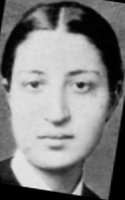


Profile

Born into an upper middle-class family, Caterina was well educated at the Royal Educational Institute of San Marcellino. Initially concerned with making a name for herself in society, in her teens Caterina felt drawn more and more to the spiritual life. Friend and spiritual student of Blessed Ludovico of Casoria, who led her to become a Franciscan tertiary. On 28 May 1859 Caterina joined the Perpetual Adorers of the Blessed Sacrament, but developed serious health problems and left. Member of the Apostleship of Prayer. Founded the Institute of Handmaidens of the Sacred Heart on 1 July 1874, which received the approval of Pope Leo XIII on 13 June 1890. She opened the orphanage of the Margherites, founded a lending library, and with the help of Venerable Rosa Carafa Traetto, she set up the Association of the Daughters of Mary.


Born

21 January 1839 in Naples, Italy


Died

28 December 1894 in Naples, Italy of natural causes


Canonized

26 April 2009 by Pope Benedict XVI


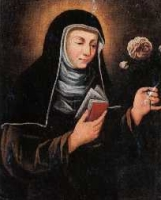
Blessed Matthia dei Nazzarei


Also known as

• Mattia

• Matthias Nazarei


Profile

Born to the nobility, the only child of Count Gualtiero Nazarei and his wife Sibilla, from her youth Matthia preferred a simple life and rejected all the pomp of court life. When her father threatened her with an arranged marriage, she fled to the convent of Santa Maddalena at Metalica, Italy and became a Benedictine nun. Served as abbess of the house for 40 years. The convent later adopted the rule of the Poor Clares, and so Matthia is often listed as a Poor Clare. In 1758 the house was re-named Beata Matthias in her honour.


Born

1 March 1253 in Matelica, Macerata, Italy


Died

• 28 December 1319 in Matelica, Macerata, Italy of natural causes

• re-interred near the high altar of her convent chapel

• body moved in 1536, found incorrupt and sweating

• body moved in 1756 in order to repair the chapel, and found incorrupt


Beatified

27 July 1765 by Pope Clement XIII (cultus confirmed)


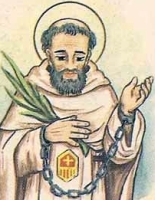
Saint Anthony of Lérins


Also known as

• Antony of Lérins

• Anthony the Hermit


Profile

Anthony's father died when the boy was eight years old, and he was raised for several years by Saint Severinus of Noricum. Severinus, however, died when the boy was in his early teens, and Antony moved in with his uncle, Bishop Constantius of Lorsch, Bavaria (in modern Germany. When he was of age, Anthony became a monk. Hermit in the area of Lake Como, Italy. He and some other solitaries gained such a reputation for sanctity that they attracted would-be students. Anthony, wanting to live the life of a hermit moved to the Isle of Lerins, France where he lived his last two years. Known as a miracle worker. Saint Ennodius of Pavia wrote a Life of Saint Antony.


Born

c.468 at Valeria, Lower Pannonia (in modern Hungary)


Died

c.520 at Lerins, Provence, France of natural causes


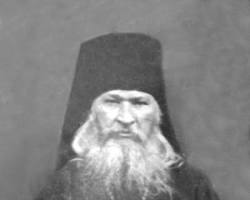
Blessed Hryhorii Khomyshyn


Also known as

Gregor, Gregory, Grzegorz, Hryhorij, Hryhory


Additional Memorial

27 June as one of the Martyrs Killed Under Communist Regimes in Eastern Europe


Profile

Greek Catholic. Ordained on 18 November 1893. Studied theology at Vienna, Austria from 1894 to 1899. Rector of the seminary in Lviv, Ukraine in 1902. Bishop of Stanislaviv (modern Ivano-Frankivsk), Ukraine on 6 May 1904. Arrested for his faith in 1939 by the NKVD. Arrested again in April 1945; deported to Kiev, Ukraine. Died in prison. Martyr.


Born

25 March 1867 at Hadynkivtsi, Ternopil District, Ukraine


Died

17 January 1947 in NKVD prison in Kiev, Ukraine


Beatified

27 June 2001 by Pope John Paul II in Ukraine


Blessed Johannes Riedgasser


Profile

Member of the Premonstratensians. Canon of the monastery in Obermarchtal, Swabia (in modern Germany); spiritual student of Blessed Ulkirk. Abbot of the house in 1591. His dedication to the discipline and rule of the Order led to his appointment as visitor in the region, responsible for checking on other houses and helping their dedication. Late in life he received a vision of Blessed Ulkirk.


Born

16th century Germany


Died

1600 of natural causes


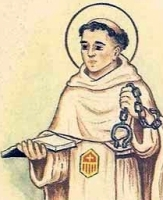
Blessed Gregory of Cahors


Also known as

Gregorio da Cahors


Profile

Mercedarian. Master of Sacred Theology. Assigned in 1462 to ransom Christians enslaved by Muslims in Africa, the brought 184 of them home. Retired to live as a monk at the convent of Santa Maria in Toulouse, France where he devoted himself to prayer and contemplation.


Born

France


Blessed Otto of Heidelberg


Profile

Brother of Blessed Herman of Heidelberg. Benedictine monk and priest at the monastery of Niederaltaich, Bavaria (modern Germany). After his brother's death, Otto exercised his vocation from Herman's old cell.


Died

1344


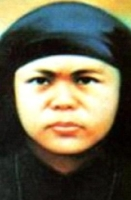
Saint Caesarius of Armenia


Profile

Caesarius led a dissolute and sinful life for years. Father of the Arian heretic Eudoxius. In the end, however, Caesarius became a serious Christian, stayed with the orthodox faith, and was martyred under Galerius Maximian.


Died

burned to death at the stake in 309 at Arabissus, Armenia


Saint Iolande of Rome


Profile

Less than 20 years old when she was arrested for aiding Christian prisoners during the persecutions of Marcus Aurelius. The judge offered her clemency in return for sexual favours; she declined. She was beaten, thrown to wild animals and executed for her faith. Martyr.


Died

beheaded in 169 in Rome, Italy


Saint Gowan of Wales


Also known as

Cofen, Govan, Goven


Profile

Queen, the wife of King Tewdrig of Glamorgan, an area of modern Wales. The parish of Llangoven, Monmouthshire, and a chapel in Pembrokeshire are named for her.


Born

5th century Wales


Saint Theonas of Alexandria


Also known as

Teona, Theon


Profile

Teacher at Origen's school of theology in Alexandria, Egypt. Priest. Bishop of Alexandria in 282.


Died

28 December 300 of natural causes


Saint Troadius of Pontus


Profile

A young man born to the nobility who publicly proclaimed his Christianity. Martyred in the persecutions of Decius.


Died

crucified c.250 in Neo-Caesarea, Pontus (in modern Turkey)


Saint Domnio of Rome


Profile

Fourth century priest in Rome, Italy. He collected old texts which were used by Saint Jerome. Both Saint Jerome and Saint Augustine wrote glowingly of Domnio and his ministry in Rome.


Blessed Nicholas Mello


Profile

Augustinian canon. Evangelized along the eastern shore of the Caspian sea in the 17th century. Martyred for loyalty to the Vatican.


Died

Astrakhan, Russia


Saint Conindrus


Profile

Converted by Saint Patrick. Ordained as priest and bishop by Patrick, and sent by him to evangelize the Isle of Man.


Died

c.450 of natural causes


Saint Simon the Myroblite


Profile

Thirteenth-century monk and founder of the Simonos-Petras monastery on Mount Athos during the time of the Crusades.


Saint Romulus


Profile

Converted by Saint Patrick. Ordained as priest and bishop by Patrick, and sent by him to evangelize the Isle of Man.


Died

c.450 of natural causes


Blessed Claudia Weinhardt


Profile

Poor Clare nun in Brixon, Italy.


Died

1643 of natural causes


Saint Domitian the Deacon


Profile

Deacon. Martyr.


Died

Ankara, Galatia (modern Turkey)


Saint Eutychius


Profile

Priest. Martyr.


Died

at Ankara, Galatia (modern Turkey)


Martyrs of Africa


Profile

Three Christians murdered together in Africa for their faith. The only details to survive are their names - Castor, Rogatian and Victor.


20,000 Martyrs of Nicomedia


Profile

20,000 Christians who were murdered during in 303 in Nicomedia, Bithynia (modern Izmit, Turkey) during the persecutions of Diocletian. Many of them were killed en masse when they were ordered, during Christmas Mass, to sacrifice to idols; when they refused, they were locked in the churches and the buildings burned around them. We know some details of a few of them, but most are known only to God. The names we have are - Agape, Anthimos, Domna, Domna, Dorotheus, Esmaragdus, Eugene, Euthymius, Glykerios, Gorgonius, Hilary, Indes, Mardonius, Mardonius, Maximus, Migdonius, Migdonus, Peter, Peter, Theophila, Theophilus and Zeno.


Died

303 in Nicomedia, Bithynia (modern Izmit, Turkey)

25 டிசம்பர் 2025

இன்றைய புனிதர்கள் டிசம்பர் 26


 Saint Stephen the Martyr

 புனிதர் ஸ்தேவான் 

திருத்தொண்டர் மற்றும் முதல் மறைசாட்சி:

இறப்பு: கி.பி. சுமார் 34

ஜெருசலேம், ஜூதாயு, ரோமப் பேரரசு

ஏற்கும் சபை/ சமயம்: 

அனைத்து கிறிஸ்தவ பிரிவுகளும்

திருவிழா: டிசம்பர் 26

சித்தரிக்கப்படும் வகை: 

கற்கள், திருத்தொண்டர் உடை, தூப கலசம், நற்செய்தி நூல்

பாதுகாவல்:

சவப்பெட்டி செய்வோர், திருத்தொண்டர்கள், பீட சிறுவர், தலைவலி; குதிரைகள்; கொத்தனார்கள்; செர்பியா

புனித ஸ்தேவான் கிறிஸ்தவத்தின் முதல் இரத்தசாட்சி ஆவார். கிரேக்க மொழியில் இவரது பெயரின் பொருள் மகுடம் (கிரீடம்) என்பதாகும். இவர் தன் உயிர்த் தியாகத்திற்காக கடவுளால் மகுடம் சூட்டப்பட்டதாக நம்பப்படுகின்றது. இவர் கலையில் பொதுவாக மூன்று கற்களை ஏந்தியவராகவும், திருத்தொண்டர்களுக்கான உடையிலும் சித்தரிக்கப்படுகிறார். திருத்தூதர் பணிகளின்படி, இவர், எருசலேம் நகரில், ஆதி திருச்சபையின் திருத்தொண்டராவார். அவருடைய போதனைகள், பல்வேறு ஜெபக்கூடங்களின் உறுப்பினர்களின் பகைமையை தூண்டியது.

இறப்பு:

திருத்தூதர் பணிகளின்படி தலைமைச் சங்கத்தின் முன் ஸ்தேவானை நிறுத்தி, மோசேக்கும் கடவுளுக்கும் எதிராகப் பழிச்சொற்கள் சொன்னதாக குற்றம் சாட்டினர். 

~ திருத்தூதர் பணிகள் 6:11

விசாரணையின் போது, ஸ்தேவான் பின்வருமாறு கூறினார்:

"இதோ, வானம் திறந்திருப்பதையும், மானிட மகன் கடவுளது வலப்பக்கத்தில் நிற்பதையும் காண்கிறேன்." 

~ திருத்தூதர் பணிகள் 7:56

திருத்தூதர் பணிகள் 6 மற்றும் 7ம் அதிகாரங்கள் இந்த விசாரணையை விவரிக்கின்றன.

தூஷிப்பவராகவும், இறை பழி சொல்பவராகவும், வசைபாடுபவராகவும் குற்றம் சாட்டப்பட்ட இவர், தன்மீது அறிக்கையிடப்படும் தீர்ப்பைக் காண வந்து காத்திருந்த யூத அதிகாரிகளின் முன்னர் நீண்ட உரையாற்றினார்.

பின்னர், இவர் குற்றவாளியாக தீர்ப்பிடப்பட்டு, நகரத்திற்கு வெளியே இழுத்துக் கொண்டு போய் கல்லெறிந்து கொல்லப்பட்டார். அவர் மறைசாட்சியாக கொல்லப்பட்டதை நேரில் கண்ட சாட்சியான “பரிசேயர்” (Pharisee) “டார்சஸ்” நகரைச்சேர்ந்த “சவுல்” (Saul of Tarsus) எனும் இளைஞரிடம் மேலுடைகளை ஒப்படைத்தார்கள். (இவரே பின்னாளில் அப்போஸ்தலரான பவுல் (Paul the Apostle) ஆவார்). ஸ்தேவானை துன்புறுத்தியபோது யூதர்கள் அப்போது நேர்மையாளர்களை கொலை செய்வதாக அவர் சாடினார்.

"எந்த இறைவாக்கினரைத்தான் உங்கள் மூதாதையர் துன்புறுத்தாமலிருந்தார்கள்? நேர்மையாளருடைய வருகையை முன்னறிவித்தோரையம் அவர்கள் கொலை செய்தார்கள். இப்போது நீங்கள் இயேசுவைக் காட்டிக்கொடுத்துக் கொன்று விட்டீர்கள்." 

~ திருத்தூதர் பணிகள் 7:52)

பின்பு முழந்தாள்படியிட்டு உரத்த குரலில், "ஆண்டவரே, இந்தப் பாவத்தை இவர்கள் மேல் சுமத்தாதேயும்" என்று சொல்லி உயிர்விட்டார்.

கல்லறை:

இவரின் கல்லறையின் இடத்தை அறிந்தார் எவரும் இல்லை. கி.பி. 415ம் ஆண்டு, எருசலேமிற்கு திருப்பயணம் செய்தபோது, “லூசியான்” (Lucian) என்னும் குருவுக்கு கிடைக்கப்பெற்ற காட்சியின்படி இவரது மிச்சங்கள், “பெய்ட் ஜிமல்” (Beit Jimal) எனும் இடத்திலிருப்பதாக அறிவிக்கப்பட்டது. அதே ஆண்டு, டிசம்பர் மாதம் 26ம் நாள், கிறிஸ்தவ முதல் மறைசாட்சியின் உடலின் மிச்சங்கள் ஊர்வலமாக எடுத்துச் செல்லப்பட்டு, “ஹகியா சியோன்” (Church of Hagia Sion) தேவாலயத்தில் அடக்கம் செய்யப்பட்டது. இதே நாள், இவரது நினைவுத் திருநாளாக கொண்டாடப்படுகின்றது. கி.பி. 439ம் ஆண்டு, இவரை கௌரவிக்கும் விதமாக, “பேரரசி ஏலியா யூடோசியா”, (Empress Aelia Eudocia) “டமாஸ்கஸ் வாயிலின்” (Damascus Gate) வடக்கே ஒரு புதிய தேவாலயம் கட்டி, இவரது மிச்சங்களை மாற்றினார். பன்னிரெண்டாம் நூற்றாண்டில் இவ்வாலயம் இடிக்கப்பட்டது. “செயின்ட் எட்டியேன்” (Saint-Étienne) என்றழைக்கப்படும் ஒரு இருபதாம் நூற்றாண்டு ஃபிரெஞ்ச் கத்தோலிக்க ஆலயம், அதே இடத்தில் கட்டப்பட்டது. அதேவேளை, மற்றுமொரு “கிரேக்க மரபுவழி திருச்சபையின்) (Greek Orthodox Church of St Stephen) ஆலயமொன்று, இவரது பெயராலேயே, இவர் மறைசாட்சியாக கொல்லப்பட்டதாக சொல்லப்படும் இடத்தில் கட்டப்பட்டது.

எருசலேமின் பிரதான வடக்கு வாயிலை, “புனிதர் ஸ்தேவான் வாயில்” (Saint Stephen's Gate) என்று “சிலுவைப் போராளிகள்” (The Crusaders) முதலில் அழைத்தனர்.

பிற்காலத்தில், ரோம் நகரின் வெளிப்புற சுவர்களில் தூய லாரன்ஸ் பேராலயம்” (Basilica of Saint Lawrence outside the Walls) கட்டப்பட்டபோது, திருத்தந்தை “இரண்டாம் பெலாஜியஸ்” (Pope Pelagius II) புனிதர் ஸ்தேவானுடைய உடலின் மிச்சங்களை எடுத்துச் சென்று அங்கே அடக்கம் செய்தார்.

Also known as

Stephen the Deacon


Additional Memorials

• 3 August (discovery of relics)

• 7 May (translation of relics)


Profile

First Christian martyr. Deacon. Preacher. All we know of him is related in the Acts of the Apostles. While preaching the Gospel in the streets, angry Jews who believed his message to be blasphemy dragged him outside the city, and stoned him to death. In the crowd, on the side of the mob, was a man who would later be known as Saint Paul the Apostle.


Died

stoned to death c.33


Pope Saint Dionysius


Profile

Roman citizen. Nothing is known about his early life. Monk. Priest. Bishop in Rome during the papacy of Saint Stephen I. Involved in the controversy over orthodox and heretical forms of Baptism. Following an inter-regnum of a year caused by the persecutions of Valerian, Dionyius was chosen 25th Pope.


Issued a doctrinal letter to correct the writings of Patriarch Dionysius of Alexandria regarding the Trinity. The letter opposed Sabellianism, and insisted on the true doctrine of Three Persons in one Godhead. Sent large sums of money to the churches of Cappadocia for construction and the ransom of slaves; invading Goths had destroyed the buildings and enslaved the faithful. Brought order to the Church after a period of no leadership, and made peace with Emperor Gallienus who issued an edict of toleration. He condemned Paul of Samosata as a heretic. First pope to die not as a martyr.


Born

in Greece


Papal Ascension

22 July 259


Died

• 26 or 27 December 268 at Rome, Italy of natural causes

• buried in the papal crypt in the catacomb of Callistus


Saint Vincenza María López y Vicuña


Also known as

Vicenta María López Vicuña


Profile

Daughter of a lawyer. Educated in Madrid, Spain. As a young woman she refused an arranged marriage and took a private vow of chastity. She lived with her aunt, Eulolia de Vicuna, who had founded a home for domestic servants. With her aunt's help, Vincenza founded a group of women to minister to working girls, who were open to all sorts of abuse. She developed a Rule for the group, and in 1878 with three companions she took vows. They formed what became the Daughters of Mary Immaculate for Domestic Service which received papal approval from Pope Leo XIII in 1888, and which in Vincentia's life had spread throughout Europe and Latin America.


Born

22 March 1847 at Cascante, Navarre, Spain


Died

26 December 1890 in Madrid, Spain of natural causes


Canonized

25 May 1975 by Pope Paul VI


Blessed Agnes Phila


Also known as

Margarita, Aknaet


Profile

Daughter of Joachim and Anna Thit Son Chum; she was baptized in Viengkhuk, Thaland in 1924, and her god-mother was the aunt of Sister Lúcia dos Santos. Joined the Congregation of the Lovers of the Cross in Siengvang, Laos, taking the name Agnes and making her final vows on 16 November 1928. Assigned as a school teacher in Songkhon, Thailand in 1932. Martyred in the anti-Christian persecutions that began when the French left Thailand.


Born

1909 in Ban Nahi, Nong Khai, Thailand as Margaret Phila


Died

shot on 26 December 1940 in the cemetery of Ban Songkhon, Mukdahan, Thailand


Beatified

22 October 1989 by Pope John Paul II


Blessed Lucie Khambang


Also known as

Lucia, Lusia


Profile

Daughter of James and Mary Dam May Li; baptized on 10 March 1917, Confirmed and received her first Communion on 4 June 1925. Joined the Congregation of the Lovers of the Cross, beginning the novitiate on 18 October 1935 and making her final profession in Siengvang, Laos on 15 October 1937. Assigned as a school teacher in early 1940. Martyred in the anti-Christian persecutions that began when the French left Thailand.


Born

22 January 1917 in Ban Wiang Khuk, Nong Khai, Thailand


Died

shot on 26 December 1940 in the cemetery of Ban Songkhon, Mukdahan, Thailand


Beatified

22 October 1989 by Pope John Paul II


Saint Evaristo of Constantinople


Also known as

Evarestus, Sergio


Profile

Courtier to a relative who was an official in the Byzantine court in Constantinople c.842. Travelled on court business to the area of modern Bulgaria. However, by this point he had read himself into a more religious life, and soon after entered a monastery in Constantinople, taking the name Evaristo. He served his house in a variety offices and ways, including abbot for 30 years, the rest of his life.


Born

17 April 819 in Galatia, Asia Minor as Sergio


Died

24 December 897 at the monastery in Constantinople of natural causes


Blessed Agata Phutta Bi


Also known as

Akatha Phuttha


Profile

Raised in a pagan family, Agata converted to Christianity in her 30's, being baptized and confirmed on 3 March 1918 at Siengvang, Laos. Worked in the kitchens of the Catholic missions in the Thai cities of Mong Seng, Pkase and Songkhon. Martyred in the anti-Christian persecutions that began when the French left Thailand.


Born

1882 in Ban Kengpho, Savannakhet, Laos


Died

shot on 26 December 1940 in the cemetery of Ban Songkhon, Mukdahan, Thailand


Beatified

22 October 1989 by Pope John Paul II


Blessed Cecilia Butsi


Also known as

Sesilia Butsi


Profile

Daughter of Amato Sinuen and Agatha Thep. Worked in the kitchen of a Catholic mission in the archdiocese of Thare and Nonseng, Thailand, and know for the joy and courage she brought to living as an oppressed Christian. Martyred in the anti-Christian persecutions that began when the French left Thailand.


Born

16 December 1924 in Ban Songkhon, Mukdahan, Thailand


Died

shot on 26 December 1940 in the cemetery of Ban Songkhon, Mukdahan, Thailand


Beatified

22 October 1989 by Pope John Paul II


Pope Saint Zosimus


Profile

Little is known about Zosimus' life before his election as Pope. May have been Jewish by birth, and his father may have been named Abram. He tried to expand the power of the pontificate, but allowed his personality, and his personality clashes with local bishops, to enter into the matter. A number of his letters survive, as well as a Decree ordering priests to stay out of taverns. Fought Pelagianism and Pelagius himself.


Papal Ascension

18 March 417


Died

• 27 December 418 of natural causes

• buried at Church of Saint Laurence in Agro Verano


Blessed Giovanni Orsini


Profile

Born to the Italian nobility; his was a pious family and several of his brothers became monks. Canon lawyer. Canon of the cathedral of Turin, Italy. Commendatory abbot of Rivalta, Italy. Priest. Noted preacher. Archbishop of Turin in 1364. Zealous preacher against heresy, including Waldensianism, while travelling continually to each of the parishes in his diocese. During the Avignon papacy he tried to get the pope to return to Rome. Created cardional in 1388. Apostolic legate to the court of King Charles VI.


Born

1333 in Rivalta, Torino, Italy


Died

• 1411 in Torino, Italy

• buried in the cathedral of Turin


Blessed Jean of Hainaut

Profile

Civil and canon lawyer. Premonstratensian monk. Canon of the Joyenval monastery in the area of Ile-de-France. Abbot of his house in 1441; he served for over 30 years. Norbertine visitor for areas of Austria, Hungary, and the German areas of Swabia and Bavaria which required him to inspect all monasteries and insure adherence to the Order's rule. The Joyenval house was destroyed by English and Burgundian; Jean obtained permission to take his monks and the surviving relics of the saints on travels through France to beg alms.


Born

early 15th century Hainaut, Belgium


Died

1472 of natural causes


Blessed Bibiana Khamphai


Profile

Daughter of Lon and Monica Di Benedetto. Pious girl, dedicated to the sacraments, and attended the Catholic mission of Songkhon, Thailand. Martyred in the anti-Christian persecutions that began when the French left Thailand.


Born

4 November 1925 in Ban Songkhon, Mukdahan, Thailand


Died

shot on 26 December 1940 in the cemetery of Ban Songkhon, Mukdahan, Thailand


Beatified

22 October 1989 by Pope John Paul II


Blessed Maria Phon


Profile

Daughter of John the Baptist and Catherine Tan Pha. A pious girl, Maria lived with an aunt named Mary and attended the local Catholic mission. Martyred in the anti-Christian persecutions that began when the French left Thailand.


Born

6 January 1929 in Ban Songkhon, Mukdahan, Thailand


Died

shot on 26 December 1940 in the cemetery of Ban Songkhon, Mukdahan, Thailand


Beatified

22 October 1989 by Pope John Paul II


Saint Marinus of Rome


Also known as

Marin, Marino


Profile

Son of an imperial Roman senator; served as senator himself. For being a Christian during the persecutions of emperor Numerian and the prefect Marcian, he was stripped of office, arrested, stripped of title, property and freedom, made a slave, tortured and executed. He miraculously survived torture chambers, wild beasts, fire, and water in the persecutions of Numerian, but was eventually Martyred. His story may be pious fiction.


Died

beheaded in 283


Blessed Pierre Boffet


Profile

Mercedarian. Professor of theology. Noted preacher. Worked to ransom Christians enslaved in Muslim-controlled areas. While on a ransom mission to Tunisia in 1442, he and Blessed Lorenzo Company were shipwrecked and imprisoned for ransom themselves. When Pierre converted a Muslim to Christianity, he was abused and executed. Martyr.


Born

France


Died

1452


Saint Tathai


Also known as

• Athaeus, Athan, Atheus, Tathal, Tathan, Tathar

• Father of all Gwent


Profile

Nephew of Saint Samson of Dol. Hermit in Glamorgan, Wales. Founded the monastery at Llantathan (Saint Athan), Gwent. Founded the monastery school at Caerwent. Reputed miracle worker, he was noted gentleness, love of the country, for his generosity to travellers and the poor.


Born

5th century Irish


Died

6th century at Caerwent or Llantathan, Wales of natural causes


Saint Archelaus of Mesopotamia


Profile

Bishop of Chacar (Kashkar; Cascus; Charchar) Mesopotamia. Fought Manichaeism. His writings on the heresy were valued by Saint Jerome.


Died

c.280


Blessed Paganus of Lecco


Profile

Dominican friar for 50 years, received into the Order by Saint Dominic himself. Succeeded Saint Peter the Martyr as inquisitor general, and like him became a martyr.


Born

13th century Lecco, Italy


Died

murdered by heretics on 26 December 1274 at Valtellina, Como, Italy


Saint Zeno of Gaza


Also known as

Zenon


Profile

Cousin of Saint Eusebius and Saint Nestabus. Monk. Survived the persecutions of Julian the Apostate. Bishop of Maïouma in Palestine where he continued to live as close as he could to the monastic rules, including doing manual labour.


Died

c.400 of natural causes


Blessed Margaret of Hohenfels


Also known as

Margarita, Margherita, Marguerite


Profile

Born to the nobility. Benedictine nun and prioress at Bingen under Saint Hildegard.


Died

c.1150


Saint Amaethlu of Anglesey


Also known as

• Amaethlu of Wales

• Amaethlin, Maethlu, Maethlin


Profile

Sixth century hermit. Founded a church in Anglesey, Wales, now named Llanfaethlu.


Blessed Daniel of Villiers


Profile

Soldier. Knight. Benedictine Cistercian monk. Cellarer of the great Cistercian abbey of Villiers in the Brabant region.


Died

late 12th century of natural causes


Saint Theodore the Sacristan


Profile

Sixth century sacristan for the Church of Saint Peter in Rome, Italy. Saint Gregory the Great wrote that Theodore often saw angels.


Saint Abadiu of Antinoë


Profile

Bishop of Antinoë. Martyred by Arians.

Saint Abadiu of Antinoë, revered as a bishop and martyr, is a significant figure in the Coptic Orthodox Church. While specifics of his life remain shrouded in the mists of time, his legacy as a steadfast defender of his faith continues to inspire.


Historical Context:


Abadiu lived during the 4th century AD, a period marked by theological controversies within the Christian Church. One of the most prominent disputes was Arianism, which challenged the divinity of Jesus Christ. Abadiu firmly opposed Arian teachings and passionately defended Nicene orthodoxy, which emphasized Jesus' divinity as equal to the Father.


Leadership and Martyrdom:


As bishop of Antinoë, an ancient city in Roman Egypt, Abadiu shepherded his flock with dedication and unwavering faith. He is said to have been a powerful preacher and a tireless advocate for the marginalized. His resolute stance against Arianism is believed to have drawn the ire of Arian authorities, ultimately leading to his martyrdom.


Veneration and Legacy:


The Coptic Church venerates Saint Abadiu as a courageous champion of orthodoxy. His feast day is celebrated on December 26th, and his memory is cherished by Coptic communities worldwide. Abadiu's unwavering commitment to his beliefs in the face of adversity serves as a powerful testament to the strength of faith and the enduring legacy of those who stand firm in their convictions.


 Isaac II of Optina


Schema-Archimandrite among the group of monastics of Optina Monastery in the nineteenth and twentieth centuries known as the Optina Elders.

Venerated as a saint in the Eastern Orthodox Church, with feast days on December 26 and October 11 (alongside all the Optina Elders).

Life and Legacy:


Born Ivan Nikolayevich Bobrakov in 1865 to a peasant family in Orel province, Russia.

Entered Optina Monastery as a novice in 1884.

Tonsured into the mantia with the name Isaac in 1898.

Ordained a priest in 1898.

Appointed abbot with the rank of archimandrite in 1913, becoming the last abbot of Optina Monastery before its closure by the Bolsheviks in 1923.

Known for his calm demeanor, simplicity, and deep spirituality.

Played a significant role in guiding and advising many people who sought spiritual counsel at Optina Monastery.

Imprisoned and martyred by the Soviet regime in 1938 for his faith.


Significance:

Venerable Isaac II is revered as a spiritual guide and teacher who offered wisdom and comfort to countless individuals during a tumultuous time in Russian history.

His teachings on prayer, humility, and acceptance of God's will continue to inspire believers today.

His life and martyrdom serve as a powerful reminder of the perseverance of faith in the face of persecution.


Secundus Pollo


Blessed Secondo Pollo (1908-1941) was a Catholic priest and Italian military chaplain, revered for his dedication to his faith and his bravery in the face of danger. His life, though tragically cut short, offers a testament to the power of conviction and the enduring legacy of a life lived in service of others.


Early Life and Calling:


Born in Caresanablot, Italy, in 1908, Secondo displayed a deep and devout nature from a young age. He felt a strong calling to the priesthood and entered the seminary at Vercelli in 1919.


Following his ordination in 1931, he served as a teacher, spiritual advisor, and lecturer in both philosophy and theology. His charisma and compassion made him a beloved figure within the community.

Military Service and Martyrdom:


With the outbreak of World War II, Secondo was drafted into the Italian army in 1940. He readily accepted the role of chaplain, eager to offer spiritual support to his fellow soldiers.


Assigned to the Alpine battalion, he saw action in the treacherous mountain terrain of Montenegro. Facing harsh conditions and constant danger, Secondo remained a source of strength and comfort for his troops.


On December 26, 1941, during a fierce battle near Dragali, he rushed to the aid of a wounded soldier under heavy enemy fire. Tragically, he was struck down by enemy bullets and died heroically.


Legacy and Veneration:


Blessed Secondo Pollo is remembered for his unwavering faith, courage, and selflessness. His selfless act of rushing to the aid of a fallen comrade despite the peril exemplifies the depth of his commitment to his fellow soldiers.

In 1998, Pope John Paul II beatified Secondo Pollo, recognizing his heroic sacrifice and profound faith. His feast day is celebrated on December 26th.

Blessed Secondo Pollo continues to inspire generations of believers and military personnel alike. His story serves as a reminder of the power of faith to overcome adversity and the enduring impact of a life lived with courage and compassion.