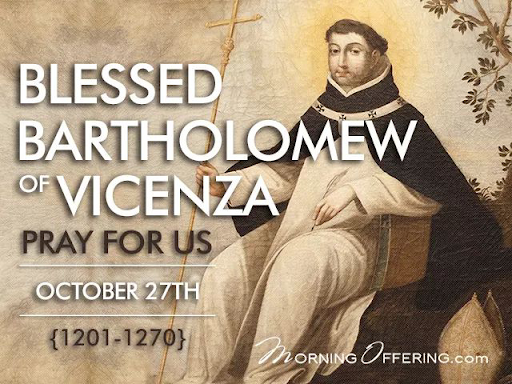
St. Bond
St. Bond was a hermit who lived in the 7th century in Sens, France. He was a Spaniard who became a public penitent, trained by St. Artemius, the bishop there. He is also called Baldus.
St. Bond is known for his piety and his dedication to prayer and fasting. He lived in a simple hut in the woods and ate only what he could gather from the forest. He was also known for his kindness and compassion, and he often helped the poor and the sick.
St. Bond died in the 7th century and is buried in Sens. His feast day is celebrated on October 29th.
Bl. Maria Restituta
Born Helene Kafka
1 May 1894
Husovice, Margraviate of Moravia, Austria-Hungary
Died 30 March 1943 (aged 48)
Vienna, Nazi Germany
Venerated in Roman Catholic Church
Beatified 21 June 1998 by Pope John Paul II
Feast 30 March,
29 October (in the archdiocese of Vienna)
Birth: 1894
Death: 1943
Beatified: 21 June 1998 by John Paul II

Sister Maria Restituta (1 May 1894, Husovice, Austria-Hungary (now part of Brno, Czech Republic) - 30 March 1943, Vienna, Austria) was a nun and a nurse. Her birthname was Helen Kafka.[1] She was a shoemaker's daughter.
St. Maximilian of Lorch
Saint Maximilian of Lorch (also: Maximilian of Celeia, Latin: Maximilianus) (died 12 October 288)[1] was a missionary in the Roman province of Noricum. He was martyred in AD 288.[2]

Maximilian was born in Celeia in the Roman province of Noricum (in present-day Slovenia). As an adult he made a pilgrimage to Rome.[2] Pope Sixtus II sent him to Lauriacum (Lorch) in the Roman province of Noricum, where he worked as a missionary during the latter half of the third century.[2] He founded the church of Lorch. Maximilian was beheaded by the Roman Prefect of Emperor Numerian after refusing to abandon Christianity and sacrifice to the pagan gods. He is remembered on 12 October (and in some locations on 29 October).[2]
His cult dates at least from the eighth century. In that century, Saint Rupert built a church in his honour at Bischofshofen in the Salzach valley, and brought his relics there. They were later transferred to Passau in 985
Saint Gaetano Errico
Profile
Second of nine children born to Pasquale, a pasta factory manager, and Marie Marseglia Errico, who worked weaving plush. A good child, pious, always ready to help his father at work, or his mother with his younger siblings. He felt a call to the priesthood at age fourteen. He was turned away by the Capuchins and Redemptorists due to his youth. Studied at a diocesan seminary in Naples, Italy from age sixteen, walking the five miles to class each day, and was ordained on 23 September 1815 in Naples.

School teacher for twenty years. Parish priest at the church of Saint Cosmas and Damian. Known for his devotion to the Sacrament of Reconciliation and ministry to the sick, his self-imposed austerties and penances. He made yearly retreats to the Redemptorist house in Pagani, Italy.
During his retreat in 1818, Saint Alphonsus Maria de Liguori appeared to him in a vision, and told him that God wanted Gaetano to build a new church, and to found a new religious congregation. While Gaetano initially received strong support from the local people, it faded in the face of fund-raising and work, and it wasn't until 9 December 1830 that he dedicated and blessed the church Our Lady of Sorrows at Secondigliano; it has since become one of Italy's most popular pilgrimage sites.
Nearby he built a small house for himself and a lay-brother who took care of the church; this was the beginning of the Missionaries of the Sacred Hearts of Jesus and Mary. The Missionaries received local approval on 14 March 1836, approval by the Congregation of Bishops on 30 June 1838, royal approval on 13 May 1840, and papal approval by Blessed Pope Pius IX on 7 August 1846. Gaetano served as first Superior General.
His beatification miracle occurred in southern Italy in January 1952 and involved a man with a perforated stomach wall. Just before emergency surgery, his wife slipped a relic of Father Gaetano under his pillow, and together they prayed for his intercession. His health began to improve immediately, and he was soon healed without medical intervention.
Born
19 October 1791 in Secondigliano, Naples, Italy
Died
10am 29 October 1860 in Secondigliano, Naples, Italy of natural causes
Canonized
Sunday 12 October 2008 by Pope Benedict XVI
Saint Abraham Kidunaia
Also known as
• Abraham the Great of Kidunja
• Abraham of Edessa
• Abraham of Kidunja
• Abrhahn of Kidunaja
Profile
Born to a wealthy family near Edessa, Syria. Forced into an arranged marriage at an early age. During the wedding festivities, Abraham fled. He walled himself up in a nearby building, leaving a small hole through which his family could send in food and water, and by which he could explain his desire for a religious life. His family relented, the marriage was called off, and he spent the next ten years in his cell.
After a decade of this life, the bishop of Edessa ordered Abraham from his cell. Against Abraham's wishes, the bishop ordained him, and sent him as a missionary priest to the intransigently pagan village of Beth-Kiduna. He built a church, smashed idols, suffered abuse and violence, set a good example, and succeeded in converting the entire village. After a year, he prayed that God would send the village a better pastor than he, and he returned to his cell. It is from his success in Kiduna that he became known as Kidunaia.
He left the cell only twice more. Once a niece, Saint Mary of Edessa, was living a wild and misspent life. Abraham disguised himself as a soldier, which he knew would get her attention, and went to her home. Over supper he convinced her of the error of her ways; she converted and changed her life, and Abraham returned to his cell. His final trip out was his funeral, attended by a large, loving throng of mourners. His biography was written by his friend Saint Ephrem of Syria.
Born
c.296 at Edessa, Osrhoene, Mesopotamia (in modern Syria)
Died
c.366 at Edessa, Osrhoene, Mesopotamia (in modern Syria) of natural causes
Saint Achahildis of Wendelstein
Also known as
• Achachildis, Achatia, Atzin
• Reinilda of Luxemburg

Profile
Born to the nobility, the sister of Saint Cunegundes. Married to Thietmar and mother of quintuplets; she and her husband, both of whom were drawn to religious life, then took vows of celibacy. Noted for her charity to the poor, and as a miracle worker. Founded a parish church in Wendelstein, Germany. Once when she discovered that a servant had killed and stolen some geese, she forgave the servant and brought the geese back to life - including the one that had been cooked.
Died
• c.970 of natural causes
• interred at the church in Wendelstein, Germany that she had founded
• tomb re-discovered in 1447
• healing miracles, especially of children, were reported at the tomb
• church later taken over by Protestants and devotion ceased
Blessed Chiara Badano
Also known as
Luce Badano

Profile
Young lay woman in the Diocese of Aqui Terme, Italy. Daughter of Ruggero Badano, a truck driver, and Maria Teresa Caviglia. A kind, happy and pious girl, she enjoyed tennis, swimming, hiking, singing, dancing and initially wanted to be a flight attendant. Member of the Focolare Movement at age nine. At age 16 she began to feel drawn to religious life; soon afterward she was diagnosed with cancer in her shoulder. Chiara insisted that she could become a missionary, but the cancer spread quickly, affecting her spine, and she lost the use of her legs. She finally accepted that she wasn't going anywhere and spent her remaining time praying and being supportive of her family and friends.
Born
29 October 1971 in Savona, Italy
Died
7 October 1990 in Sassello, Savona, Italy of natural causes
Beatified
25 September 2010 by Pope Benedict XVI
Saint Narcissus of Jerusalem
ஜெருசலேம் நகர் புனிதர் நார்ஸிஸ்சஸ்
ஜெருசலேம் ஆயர்/ ஒப்புரவாளர்:
பிறப்பு: கி.பி. 99
இறப்பு: கி.பி. 216 (வயது 117)
ஏற்கும் சமயம்:
ரோமன் கத்தோலிக்க திருச்சபை
கிழக்கு மரபுவழி திருச்சபை
நினைவுத் திருவிழா: அக்டோபர் 29
புனிதர் நார்ஸிஸ்சஸ், ஜெருசலேமின் “ஆதி குலத் தலைவர்” (Patriarch of Jerusalem) ஆவார். மேற்கு மற்றும் கிழக்கு திருச்சபைகளால் புனிதராக அருட்பொழிவு செய்யப்பட்டவர். ரோமன் கத்தோலிக்க திருச்சபையில், அக்டோபர் மாதம் இருபத்தொன்பதாம் நாள் அவரது நினைவுத் திருநாள் கொண்டாடப்படுகின்றது.

கி.பி. 180ம் ஆண்டில், தனது என்பதாவது வயதில் எருசலேமின் முப்பதாவது ஆயராகப் பொறுப்பேற்றவர் புனிதர் நார்ஸிஸ்சஸ். பணிக்கு வயது ஒரு தடையல்ல என்பதுபோல் இளமைத் துடிப்புடன் இறைப்பணியைத் தொடர்ந்த இவர், கி.பி.195ம் ஆண்டில், “பாலஸ்தீனின்” (Palestine) “செசாரியா” (Caesarea) ஆயர் “தியோஃபிடஸ்” (Theophitus) அவர்களுடன் சேர்ந்து, செசாரியாவில் நடந்த ஆயர்கள் அவையில், கிறிஸ்து உயிர்ப்புப் பெருவிழா எப்போதும் ஞாயிற்றுக்கிழமையிலேயே கொண்டாடப்பட வேண்டுமென்றும், யூதர்களின் பெருநாளான “பாஸ்காவுடன்” (Passover) அல்ல என்றும் தீர்மானம் கொண்டு வந்தார்.
“யூசெபிசியசின்” (Eusebius) கூற்றின்படி, ஆயர் நார்ஸிஸ்சஸ் அவர்கள் வாழும்போதே பல புதுமைகள் செய்தவர். மின்வசதிகள் இல்லாத அக்காலத்தில், ஒரு கிறிஸ்து உயிர்ப்புப் பெருவிழா திருவிழிப்புத் திருவழிபாடு தொடங்கவிருந்த நேரத்தில், ஆலய விளக்குகளுக்குப் போதுமான எண்ணெய் இல்லாமல் அணைந்துபோகும் நிலையில் இருந்தன. உடனே இவர் தியாக்கோன்களை அழைத்து அருகிலிருந்த கிணற்றிலிருந்து தண்ணீர் எடுத்துவந்து விளக்குகளில் ஊற்றச் சொன்னார். பின்னர் அந்தத் தண்ணீர்மீது உருக்கமாகச் செபித்தார். உடனே அந்தத் தண்ணீர் எண்ணெய்யாக மாறி விளக்குகள் சுடர்விட்டு எரிந்தன.
“புனித குரு” என எல்லாராலும் இவர் போற்றப்பட்டதைக் கண்டு பொறாமையடைந்த மூவர், இவர்மீது அபாண்டமாகப் பழி சுமத்தினர்.
முதலாமவன், அனைவர் முன்னிலையிலும் வந்து, நான் சொல்வதில் உண்மை இல்லையென்றால், கடவுள் என்னை நெருப்பில் சுட்டெரிப்பாராக என்றான்.
இரண்டாவது ஆள் வந்து, எனது குற்றச்சாட்டுப் பொய்யானால், நான் தொழுநோயால் தாக்கப்படுவேன் என்று சபதமிட்டான்.
மூன்றாவது ஆள் வந்து, நான் பார்வையிழப்பேன் என்று உறுதியாகச் சொன்னான்.
இது நடந்து ஒரு சில நாட்களிலே ஓர் இரவில் முதல் ஆளின் வீடு தானாகத் தீப்பிடித்து முழுக் குடும்பமும் சாம்பலானது. அடுத்த ஆளும் அவர் கூறியதுபோலவே தொழுநோயால் தாக்கப்பட்டார்.
இவற்றைக் கண்டு பயந்த மூன்றாவது ஆள், ஆயர் மீது தாங்கள் மூவரும் சுமத்திய குற்றங்கள் அனைத்தும் பொய் என அனைவர் முன்னிலையில் அறிவித்து ஆயரிடம் மன்னிப்பு இறைஞ்சினான். ஆயரும் அவருக்கு மன்னிப்பளித்தார்.
பின்னர், பாலைநிலம் சென்று தனிமையில் செபத்தில் நாட்களைச் செலவழித்தார். சில காலம் கழித்து ஆயர் நார்ஸிஸ்சஸ் அவர்கள், எருசலேம் திரும்பி வந்தபோது மக்கள் அவரை மீண்டும் ஆயராக்கினார்கள். ஆனால் முதிர்வயது காரணமாக, புனிதர் “அலெக்சாண்டரை” (Saint Alexander) துணை ஆயராக நியமித்தார் அவர்.
புனித வாழ்வு வாழ்ந்த ஆயர் நார்ஸிஸ்சஸ், கி.பி. 216ம் ஆண்டில், தனது 117வது வயதில், முழங்கால் படியிட்டு செபித்துக்கொண்டிருக்கும் வேளையில் மரித்தார்.
Profile
Bishop of Jerusalem, consecrated c.180 when he was already an old man. Late in life, he was accused of a crime. None of the Christians in his diocese believed it, but Narcissus did not believe he should serve after being under such a cloud, and he became a desert hermit. After a complete acquittal, Narcissus returned to his see, older, weathered, but stronger and more zealous than ever, and served several more years. One Holy Saturday he turned water into lamp oil so the Easter vigil services could be conducted. When his age began to wear on him, Narcissus begged God to send a bishop to help him. Saint Alexander of Cappadocia responded, and the two ruled the diocese together, Narcissus living to age 116.

Born
99
Died
215 of natural causes
Saint Abraham of Rostov
Also known as
Averkii, Avraamii

Profile
Raised as a pagan, as a young man Abraham was struck down by a nearly fatal illness, then cured by prayer. Convert. Monk, taking the name Abraham. Became a travelling evangelist and preacher in Rostov, Russia. Legend says that a vision of Saint John the Divine gave Abraham his own staff, and that Abraham used it to smash the pagan stone idol of Veles in Rostov; he then built the monastery of the Theophany on the site of the old pagan temple, and the staff was later carried into battle by Ivan the Terrible who hoped to benefit from its holy power. Abraham built two parish churches, one dedicated to Saint John, and started charitable organizations. Chosen abbot, he led by doing the most menial tasks, and serving all others.
Born
10th century in Galich, Russia as Averkii
Died
• at the monastery of Rostov, Russia of natural causes
• buried at the church of the Theophany monastery
Saint Dodone of Wallers-en-Fagne
Also known as
Dodo, Dodón

Profile
Eighth-century Benedictine monk at Lobbes Abbey. Spiritual student of Saint Ursmar of Lobbes in Belgium. Abbot of the monastery of Wallers-en-Fagne, Cambrai, Neustria (in modern France). Late in life he retired to live as a hermit in the area of the moden town of Moustiers-en-Fagne, France.
Born
Vaux, Lomme (near Laon, France)
Died
• c.750 in Moustiers-en-Fagne, France of natural causes
• re-interred in the church of the Priory of Wallers-en-Fagne in 888 by order of the bishop Of Cambrai, France
• relics enshrined at the altar of the church c.930
• relics later re-enshrined in a small church in the town of Moustiers-en-Fagne
Saint Mary of Edessa
Profile
Niece of Saint Abraham Kidunaia. She lived for 20 years as an anchoress near Abraham's cell. In a moment of weakness, she was seduced by a renegade monk who had turned from his vows. Mary despaired of forgiveness for her lapse, and in her shame, moved far away and gave herself over to a wild, dissolute, and sexually active life. Saint Abraham only left his hermit's cell twice - the second being to visit Mary in the guise of a soldier. Like so many others, Mary picked him up and took him home. There, over supper, Abraham convinced her of the error of her ways. She converted and returned to the life of an anchoress, spending the rest of her days in prayer.
Saint Colman of Kilmacduagh
Profile
Son of a chieftain named Duagh. Hermit in Arranmore where he built two churches. His reputation for holiness attracted too much attention, so he retreated to the woods of Burren in 592 to live in isolation. In 610, on land donated by King Guaire of Connacht, he founded a monastery which became the center of the diocese of Kilmacduagh. He reluctantly served as the house's first abbot, the diocese's first bishop.
Born
c.560 at Kiltartan, Ireland
Died
29 October 632 of natural causes
Canonized
1903 by Pope Leo XIII (cultus confirmed)
Saint Anne of Mount Olympus
Also known as
• Anne of Constantinople
• Euphemianus of
Profile
Born to a prominent family, Anne was drawn to religious life but her parents pushed her into an arranged marriage. Widow. She then disguised herself as a man, used the name Euphemianus, and became a monk at an abbey on Mount Olympus. Her piety was such that the brothers asked her to become their 'abbot', but she declined.
Born
Constantinople (modern Istanbul, Turkey)
Died
820 of natural causes
Saint Honoratus of Vercelli
Profile
Spiritual student of Saint Eusebius who he accompanied into exile at Scythopolis in 335, and on his travels through Cappadocia, Egypt, and Illyricum. Bishop in 396. Gave the sacrament of the Annointing of the Sick to Saint Ambrose on his deathbed.

Born
c.330 at Vercelli, Italy
Died
415 of natural causes
Saint Ermelinda of Meldaert
Also known as
Ermelindis
Profile
She declined a marriage, donated her inhertiance to the poor, and lived as a hermitess near Bevekom, Belgium. Anchoress in Meldaert, Belgium.
Born
c.510 in Lovenjoel, Belgium
Died
c.590 in Meldaert, Belgium of natural causes
Saint Stephen of Caiazzo
Also known as
Stefano Minicillo
Profile
Abbot of San Salvatore Maggiore territorial abbey. Bishop of Cajazzo, Italy in 979.
Born
935 in Macerata, Italy
Died
1023
Saint Theodore of Vienne
Also known as
Theudar, Teuderio, Teodario
Profile
Priest. Monk. Spiritual student of Saint Caesarius of Arles. Abbot of a monastery in Vienne, France. Founded several monasteries in the region. In late life he lived as a hermit in the church of Saint Laurence in Vienne.
Died
c.575
Saint Eusebia of Bergamo
Profile
Third-century niece of Saint Domnio. Nun in Bergamo, Italy. Martyred in the persecutions of Maximian Herculeus.
Died
• beheaded in the late 3rd century
• relics re-discovered and enshrined in 1401
Saint Zenobius of Sidon
Also known as
Zenobio
Profile
Priest. Martyred in the persecutions of Diocletian for encourging condemned Christians not to abandoned their faith.
Died
Sidon, Phoenicia
Saint Sigolinus of Stavelot
Also known as
Sighelm
Profile
Saint Sigolinus of Stavelot (also spelled Sighelm) was the third abbot of the Stavelot Abbey in the Ardennes region of Belgium. He is believed to have been born in the early 7th century and to have died around the year 670. Very little is known about his life, but he is venerated as a saint in the Catholic Church and his feast day is celebrated on October 29.
According to tradition, Sigolinus was a monk at the Stavelot Abbey before being elected abbot in the year 649. He was a devout and compassionate leader, and he is said to have performed many miracles during his time as abbot. He is also credited with expanding the Stavelot Abbey and making it a center of learning and culture.
Sigolinus died in the year 670 and was buried in the Stavelot Abbey. His tomb became a popular pilgrimage site, and he is still revered today as a saint of the Catholic Church.
Saint Sigolinus is a patron saint of the Stavelot Abbey and of the town of Stavelot. He is also invoked as a protector of travelers and pilgrims.
Died
c.670 of natural causes
Saint Terence of Metz
Profile
Saint Terence of Metz was a bishop of Metz in the 4th century. He is known for his piety, his learning, and his commitment to the orthodox faith.
Terence was born in Gaul in the early 4th century. He was educated in the classics and in the Christian faith. He was ordained a priest and then a bishop of Metz.
Terence was a strong defender of the orthodox faith against the Arian heresy. He was also a prolific writer, and he wrote several works on theology and church history.
Terence died in 389 and is buried in Metz.
Saint Felician of Carthage
Also known as
Feliciano
Profile
Saint Felician of Carthage was a martyr who was put to death for his faith during the persecution of Christians under the Roman emperor Decius in 250 AD. He is commemorated on October 29.
Felician was a deacon in the Church of Carthage, North Africa. He was arrested along with other Christians and brought before the governor, who demanded that they sacrifice to the Roman gods. Felician and his companions refused, and were tortured and executed.
Felician was beheaded, and his body was thrown into the sea. However, his body was later recovered by Christians and buried in Carthage. His tomb became a place of pilgrimage for Christians, and he was venerated as a saint..
Died
Carthage, North Africa
Saint Donatus of Corfu
Profile
In 600 Saint Gregory the Great had the relics of Donatus enshrined on Corfu.
Saint Donatus of Corfu was a bishop of Euroea, Epirus Vetus (northwestern Greece) who lived during the reign of the Emperor Theodosius I. He is revered as a saint by both the Catholic and Orthodox Churches.
He died in 387 and his remains were transferred to Kassiopi in Corfu in 602 in order to be saved from barbarian invasions.
Donatus is a patron saint of Corfu and of farmers. He is invoked against drought, pests, and diseases of crops.
Saint Kennera
Profile
Educated with Saint Ursula and Saint Regulus of Patras. Nun. Recluse at Kirk-Kinner, Galloway, Scotland.Saint Kennera is a virgin martyr who is venerated in the Catholic Church. She is said to have been born in Scotland in the 5th century, and to have been educated with Saint Ursula and Saint Regulus of Patras. After her education, she became a recluse at Kirk-Kinner in Galloway, Scotland.
According to tradition, Kennera was martyred for her faith in Christ. She was attacked by a pagan mob and thrown into a river. However, she was miraculously saved and returned to her cell. The mob attacked her again, and this time she was killed.
Kennera's feast day is celebrated on October 29. She is invoked as the patron saint of Galloway and of those who are persecuted for their faith.
Saint John of Autun
Profile
Bishop venerated at Autun, France.
Saint John of Autun was a bishop of Autun in the 7th century. He is venerated in that city, but very few details of his life are extant.
According to tradition, John was a monk at the Abbey of Saint-Symphorien in Autun before being elected bishop in the year 650. He was a devout and compassionate leader, and he is said to have performed many miracles during his time as bishop. He is also credited with expanding the Abbey of Saint-Symphorien and making it a center of learning and culture.
John died in the year 670 and was buried in the Abbey of Saint-Symphorien. His tomb became a popular pilgrimage site, and he is still revered today as a saint of the Catholic Church.
Saint John of Autun is a patron saint of Autun and of the diocese of Autun. He is also invoked as a protector of travelers and pilgrims.
Martyrs of Douai
Profile
160 priests, laymen and religious who studied at the English College in Douai, France, then returned to minister to covert Catholics in England during a period of government persecution of the Church, and were murdered for their work.
Blessed Alexander Crow
Blessed Anthony Middleton
Blessed Antony Page
Blessed Christopher Bales
Blessed Christopher Buxton
Blessed Christopher Robinson
Blessed Christopher Wharton
Blessed Edmund Duke
Blessed Edmund Sykes
Blessed Edward Bamber
Blessed Edward Burden
Blessed Edward Catherick
Blessed Edward James
Blessed Edward Jones
Blessed Edward Osbaldeston
Blessed Edward Stransham
Blessed Edward Thwing
Blessed Edward Waterson
Blessed Everard Hanse
Blessed Francis Ingleby
Blessed Francis Page
Blessed George Beesley
Blessed George Gervase
Blessed George Haydock
Blessed George Napper
Blessed George Nichols
Blessed Henry Heath
Blessed Hugh Green
Blessed Hugh More
Blessed Hugh Taylor
Blessed James Claxton
Blessed James Fenn
Blessed James Thompson
Blessed John Adams
Blessed John Amias
Blessed John Bodey
Blessed John Cornelius
Blessed John Duckett
Blessed John Hambley
Blessed John Hogg
Blessed John Ingram
Blessed John Lockwood
Blessed John Lowe
Blessed John Munden
Blessed John Nelson
Blessed John Nutter
Blessed John Pibush
Blessed John Robinson
Blessed John Sandys
Blessed John Shert
Blessed John Slade
Blessed John Sugar
Blessed John Thules
Blessed Joseph Lambton
Blessed Lawrence Richardson
Blessed Mark Barkworth
Blessed Matthew Flathers
Blessed Montfort Scott
Blessed Nicholas Garlick
Blessed Nicholas Postgate
Blessed Nicholas Woodfen
Blessed Peter Snow
Blessed Ralph Crockett
Blessed Richard Hill
Blessed Richard Holiday
Blessed Richard Kirkman
Blessed Richard Newport
Blessed Richard Sergeant
Blessed Richard Simpson
Blessed Richard Thirkeld
Blessed Richard Yaxley
Blessed Robert Anderton
Blessed Robert Dalby
Blessed Robert Dibdale
Blessed Robert Drury
Blessed Robert Johnson
Blessed Robert Ludlam
Blessed Robert Nutter
Blessed Robert Sutton
Blessed Robert Sutton
Blessed Robert Thorpe
Blessed Robert Wilcox
Blessed Roger Cadwallador
Blessed Roger Filcock
Blessed Stephen Rowsham
Blessed Thomas Alfield
Blessed Thomas Atkinson
Blessed Thomas Belson
Blessed Thomas Cottam
Blessed Thomas Maxfield
Blessed Thomas Palaser
Blessed Thomas Pilcher
Blessed Thomas Pormort
Blessed Thomas Reynolds
Blessed Thomas Sherwood
Blessed Thomas Somers
Blessed Thomas Sprott
Blessed Thomas Thwing
Blessed Thomas Tunstal
Blessed Thurstan Hunt
Blessed William Andleby
Blessed William Davies
Blessed William Filby
Blessed William Harrington
Blessed William Hart
Blessed William Hartley
Blessed William Lacey
Blessed William Marsden
Blessed William Patenson
Blessed William Southerne
Blessed William Spenser
Blessed William Thomson
Blessed William Ward
Blessed William Way
Saint Alban Bartholomew Roe
Saint Alexander Briant
Saint Ambrose Edward Barlow
Saint Cuthbert Mayne
An English martyr, born near Branstaple, in Devonshire, as a Protestant. He converted to Catholicism at St. John's, Oxford. Cuthbert was ordained at Douai, France, and sent home to England about 1575. Working in Cornwall, he was captured after a year. Condemned for celebrating a Mass, he was hanged, drawn, and quartered on November 25. Cuthbert was a friend of Edmund Campion, and he was aided by Francis Tregian in Cornwall. He was the first Englishman trained for the priesthood at Douai and was the protomartyr of English seminaries. Cuthbert was canonized by Pope Paul VI as one of the Forty Martyrs of England and Wales.
Cuthbert Mayne (c. 1543–29 November 1577) was an English Roman Catholic priest executed under the laws of Elizabeth I. He was the first of the seminary priests, trained on the Continent, to be martyred. Mayne was beatified in 1886 and canonised as one of the Forty Martyrs of England and Wales in 1970.
Saint Edmund Arrowsmith
Saint Edmund Campion
Saint Edmund Gennings
Saint Eustace White
Saint Henry Morse
Saint Henry Walpole
Saint John Almond
Saint John Boste
Saint John Kemble
Saint John Payne
Saint John Southworth
Saint John Wall
Saint Luke Kirby
Saint Ralph Sherwin
Saint Robert Southwell
Venerable Edward Morgan
Venerable James Harrison
Venerable Thomas Tichborne
Martyrs of Lucania
Profile
A group of Christians executed together for their faith. Only their names have survived - Felician, Hyacinth, Lucius and Quintus.
Died
Lucania, southern Italy
Martyred in the Spanish Civil War
• Blessed Arsenio Merino Miguel
• Blessed Benito Paradela Novoa
• Blessed Joaquina Rey Aguirre
• Blessed José Ruiz Bruixola
• Blessed Maurilio Tobar González
• Blessed Ponciano Nieto Asensio
• Blessed Victoria Arregui Guinea
Blessed Michele Rua
அருளாளர் மைக்கேல் ருவா
டான் போஸ்கோவின் சலேசியன் சபை இணை நிறுவனர்:
பிறப்பு: ஜூன் 9, 1837
டூரின், சார்டினியா அரசு
இறப்பு: ஏப்ரல் 6, 1910 (வயது 72)
டூரின், இத்தாலி
ஏற்கும் சமயம்:
ரோமன் கத்தோலிக்க திருச்சபை
முக்திபேறு பட்டம்: அக்டோபர் 29, 1972
திருத்தந்தை ஆறாம் பவுல்
நினைவுத் திருநாள்: அக்டோபர் 29
அருளாளர் மைக்கேல் ருவா, ஒரு இத்தாலிய கத்தோலிக்க குருவும், புனிதர் ஜான் பாஸ்கோவின் மாணவர்களுள் ஒருவரும் ஆவார். சலேசிய சபையின் முதல் தலைமை அதிபரும் (Rector Major of the Salesians) இவரேயாவார்.
கி.பி. 1837ம் ஆண்டு இத்தாலி நாட்டிலுள்ள தூரின் (Turin) என்ற இடத்தில் ஜூன் 9ம் நாள் பிறந்த இவர், ஒன்பது சகோதாரர்களுள் இளையவராவார்.
ஆயுத தொழிற்சாலை ஒன்றின் மேற்பார்வையாளராக பணியாற்றிய "ஜியோவன்னி பட்டிஸ்டா" (Giovanni Battista) இவரது தந்தை ஆவார். "ஜியோவன்னா மரிய ருவா" (Giovanna Maria Rua) இவரது தாயார் ஆவார்.
கி.பி. 1845ம் ஆண்டு, ஆகஸ்ட் மாதம், 2ம் தேதி, இவரது தந்தையார் இறந்ததும், இவரது தாய்க்கு அதே ஆயுத தொழிற்சாலையிலேயே பணி கிடைத்தது. விதவைத் தாயாருடன் வாழ்க்கையைத் தொடங்கிய மைக்கேல், 'கிறிஸ்தவ பள்ளிக்கூடங்களின் சகோதரர்கள்' (Brothers of the Christian Schools) நடத்திய பள்ளிக்கூடம் ஒன்றில் தமது ஆரம்பக் கல்வியை கற்றார்.
தமது 15ம் வயதில் தனது படிப்புகளை முடித்தபோது, கத்தோலிக்க குருவான புனிதர் டோன் ஜான் போஸ்கோ அவர்களால் தொடங்கப்பட்ட இளைஞரணியில் சேர்ந்தார். அப்போது மைக்கேல் ருவாவும், ஜான் போஸ்கோவும் நண்பர்கள் ஆனார்கள்.
கி.பி. 1861ம் ஆண்டு, தொன் ஜான் போஸ்கோ தொடங்கிய சலேசிய சபையில் இளைஞர்களுக்குப் பணியாற்றும் பணியில் ஈடுபட்டார். புனித சலேசிய சபை உருவாவதற்கு தொன் போஸ்கோவிற்கு பெருமளவில் உதவி செய்தார். அப்போது இளைஞர்களுக்கு எல்லாவிதங்களிலும் தாயாக இருந்து உதவிசெய்த ஜான் போஸ்கோவின் தாயார் நவம்பர் மாதம் கி.பி. 1856ல் இறந்ததால், இளைஞர்களுக்கு தாய் இல்லை என்ற எண்ணத்தைப் போக்க ரூவா தன் தாயை, இளைஞர்களுக்கு தாயாக இருந்து பணிபுரிய அர்ப்பணித்தார்.
இந்த இளைஞரணியானது திருச்சபையால் அதிகாரப் பூர்வமாக அங்கீகரிக்கப்பட வேண்டுமென்பதை உணர்ந்து, டோன் போஸ்கோவிற்கு துணையாக, தனது 22ம் வயதில் கி.பி. 1860ம் ஆண்டு ஜூலை 29ம் நாளன்று குருத்துவ அருட்பொழிவு பெற்று இளைஞர்களுக்கு ஞான மேய்ப்பராக பணியாற்றினார்.
தமது இருபத்தாறாம் வயதில் டூரின் நகரின் வெளியே அமைந்துள்ள "மிரபெல்லோ" (Mirabello) என்ற இளைஞர்கள் சமூக அமைப்பிற்கு தலைவராக பொறுப்பேற்றார். "மரியாளின் புதல்விகள்" (Daughters of Mary) என்றும், "கிறிஸ்தவர்களின் சகாயம்" (Help of Christians) என்றும் அழைக்கப்படும் கி.பி. 1872ம் ஆண்டு நிறுவப்பட்ட "சலேசிய அருட்சகோதரிகள்" (Salesian Sisters) சபைக்கு இயக்குனராக பணியாற்றினார்.
ஜான் போஸ்கோவின் பயணங்களில் மைக்கேல் நிலையான உடனிருப்பவராக - தோழராக இருந்தார். கி.பி. 1865ல் சலேசிய சபையின் தலைவராக பொறுப்பேற்றார். ஜான் போஸ்கோவின் திட்டவட்ட கோரிக்கையின் பேரில், திருத்தந்தை பதின்மூன்றாம் லியோ (Pope Leo XIII) ரூவாவை ஜான் போஸ்கோவின் வாரிசாக நியமித்தார்.
கி.பி. 1888ம் ஆண்டு, தொன்போஸ்கோ இறந்தவுடன் இச்சபையை வழிநடத்தும் தலைமைப் பொறுப்பை (Rector Major) திருத்தந்தையின் ஒப்புதலுடன் மைக்கேல் ருவா ஏற்றுக்கொண்டார். பின்பு திருத்தந்தை பதிமூன்றாம் லியோ (Pope Leo XIII) அவர்களால் இச்சபை சலேசிய சபையாக அறிவிக்கப்பட்டது. பின்பு உலகம் முழுவதிலும் சென்று இச்சபை தொடங்கப்பட்டது.
பிறகு தனது 73ம் வயதில், கி.பி. 1910ம் ஆண்டு, ஏப்ரல் மாதம், 6ம் நாள், இத்தாலியிலுள்ள டூரின் என்ற நகரில் மைக்கேல் ருவா இறந்தார். தொன் போஸ்கோ இறந்தபோது 57 ஆக இருந்த சபைக் குழுமங்கள் (Communities) 345 சபைக் குழுமங்களாக பெருகின. 773 ஆக இருந்த சலேசியர்கள் 4000 ஆக பெருகினர். 6 ஆக இருந்த சபை மாநிலங்கள் 34 மாநிலங்களாக (Provincialate) 33 உலக நாடுகளில் நிறுவப்பட்டு, பல்கிப் பெருகின.
இவருக்கு திருத்தந்தை ஆறாம் பவுல் அவர்களால் 1972ம் ஆண்டு, அக்டோபர் மாதம், 29ம் நாள், முக்திபேறு பட்டம் (Blessed) கொடுக்கப்பட்டது. இன்று வரை "Don" என்ற பெயரிலேயேதான் சலேசிய குழுமங்கள் அழைக்கப்படுகின்றன
Michele Rua (English: Michael Rua; 9 June 1837 – 6 April 1910) was an Italian Roman Catholic priest and professed member of the Salesians of Don Bosco.[1][2] Rua was a student under Don Bosco and was also the latter's first collaborator in the order's founding as well as one of his closest friends. He served as the first Rector Major of the Salesians following Bosco's death in 1888.[3] He was responsible for the expansion of the Salesians and the order had grown to a significant degree around the world at the time he died. Rua served as a noted spiritual director and leader for the Salesians known for his austerities and rigid adherence to the rule.[4][1] It was for this reason that he was nicknamed, 'the living rule'.
The process of Rua's beatification opened after his death and culminated as Pope Paul VI beatified Rua in 1972
Born 9 June 1837

Turin, Kingdom of Sardinia
Died 6 April 1910 (aged 72)
Turin, Kingdom of Italy
Venerated in Roman Catholic Church
Beatified 29 October 1972, Saint Peter's Square, Vatican City by Pope Paul VI
Major shrine Basilica di Maria Aiuto dei Cristiani
Turin
Feast 29 October